
The Importance of Healthy Eating: Why It Matters More After 50
Let’s be honest about something right away. We’ve spent decades hearing about the next best diet, the latest superfood, or some restrictive plan that promises amazing results but leaves us frustrated and exhausted. I’m over it, and I bet you are too.
When we talk about the importance of healthy eating, we are not talking about perfection or another temporary fix. We are talking about simple, sustainable choices that help you feel stronger, more energized, and more like yourself again.
After fifty, food becomes more than fuel. The right nutrition can support your energy, mobility, sleep, and overall well being, helping you enjoy life instead of just getting through the day.
Key Takeaways
- Healthy eating is a sustainable lifestyle choice, not a short-term diet.
- Focus on whole, real foods, such as fresh fruit and vegetables, that your grandmother would recognize.
- Quality nutrition combined with regular physical activity impacts energy levels, mood, and long-term health as we age.
- Small, practical shifts like meal planning and label reading make a huge difference.
- Prioritizing whole grains while reducing refined sugars and processed ingredients can prevent energy crashes.
Get Your Free Self Care Guide
30 DAYS OF SELF CARE IDEAS AND TRACKER
Sign up to become an insider so you stay up to date on all the happenings…and get a FREE Self Care Guide that has 30 days of ideas and a daily tracker so you can stay on track with your self care.
What Does Healthy Eating Actually Mean?
Choosing to eat well is one of the most self-respecting things you can do for yourself right now. These habits are essential to maintain a healthy weight and support stable blood pressure as you age. It is truly about longevity and vitality.
Let’s look at what this actually looks like in our daily lives.
If you ask ten different people what it means to eat healthy, you’ll get ten different answers. To me, it is pretty simple. It means choosing a balanced diet of foods that are as close to their natural state as possible.
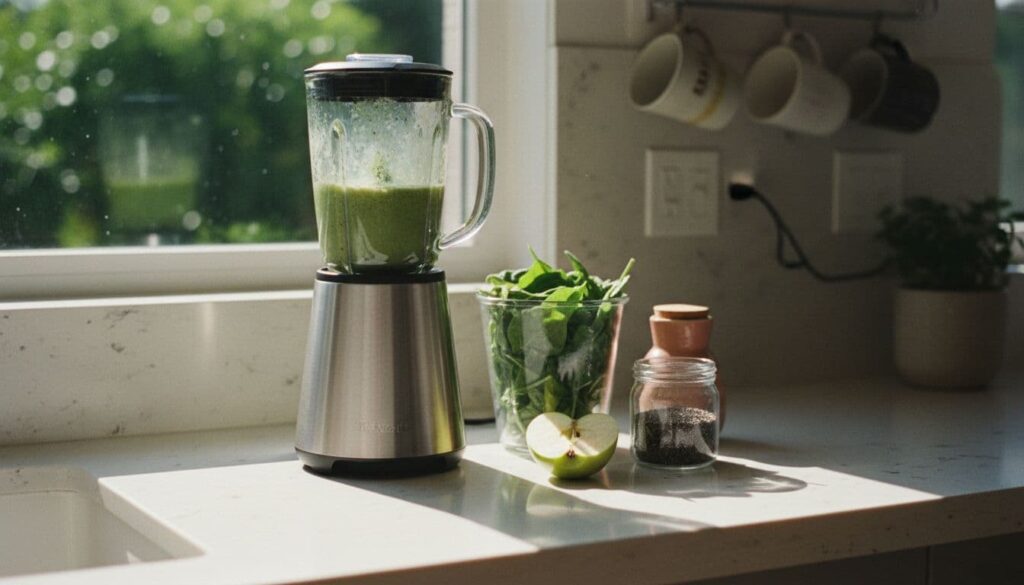
I am talking about things that grew in the ground, walked on the earth, or swam in the sea. It is about fueling yourself with the right macronutrients and vital micronutrients that support your body’s systems rather than stressing them out.
I have always loved the way Michael Pollan puts it: “Eat food. Not too much. Mostly plants.” This move toward a plant-based diet is a golden rule for longevity.
When he says “eat food,” he means real food. Not “edible food-like substances” that come in a crinkly plastic bag with fifty ingredients you cannot pronounce.
It is about understanding the core principles of healthy eating and applying them with grace.
Embracing a Lifestyle Instead of a Diet
I want you to stop thinking about what you “can’t” have. That is the diet mentality, and it is exhausting. Instead, focus on what you can enjoy.
When you shift your mindset from deprivation to nourishment, everything changes. You aren’t just counting calories; you are prioritizing the quality of your fuel. You aren’t “skipping” the donut; you’re choosing the sustained energy that comes from a bowl of berries and Greek yogurt or delicious dairy alternatives if you are sensitive to cow’s milk.
There aren’t any strict rules here that will make you feel like a failure if you slip up. It is about guidelines. We want to feel our best, and that happens when we are consistent, not perfect.
If you have a glass of wine or a piece of cake at a birthday party, enjoy it. Just make sure your foundation is built on foods that actually love you back.
Choosing Real Food Over Processed Foods
A great way to decide if something is worth eating is the grandmother rule. If your great-grandmother wouldn’t recognize it as food, it probably isn’t.
She would know what an apple, a farm-fresh egg, or a head of broccoli is. However, she would likely be very confused by a “low-fat, fruit-flavored snack bar” filled with purple dye and high-fructose corn syrup.
Ultra-processed foods and items like processed meat are designed to be addictive and shelf-stable, not to make you feel vibrant. They are often stripped of fiber and loaded with salt and hidden sugars.
By choosing whole foods over refined items, you can lower your risk for chronic conditions like heart disease and type 2 diabetes. By sticking to items with minimal ingredients, you are giving your body the vitamins and minerals it actually needs to function.
Why the Importance of Healthy Eating Matters Today
As we cross the fifty-year mark, our bodies start playing by a different set of rules. We can’t wiggle out of poor nutritional choices like we did in our twenties. The importance of healthy eating becomes crystal clear when you realize how much it affects your hormonal balance, bone density, and brain health.
Most of us want to stay sharp and active for as long as possible, and that starts with what we put on our plates.
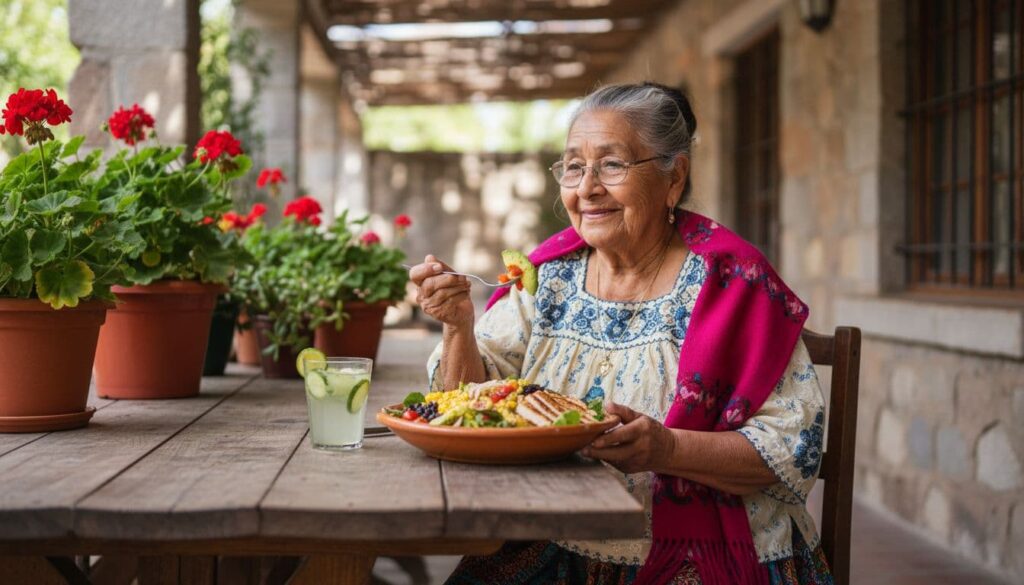
Nutrition is our first line of defense against chronic conditions like metabolic syndrome or non-alcoholic fatty liver disease (NAFLD). These are serious conditions that often stem from a diet heavy in refined carbs and added sugar. Furthermore, consuming too much saturated fat can lead to high cholesterol and an increased risk of heart disease.
By prioritizing nutrient-dense foods, we help keep our blood sugar levels steady. This avoids those nasty energy crashes that leave us reaching for more caffeine or sugar late in the afternoon.
Adopting a balanced diet also has a massive impact on your mood. There is a real connection between your gut and your brain, and when you consume foods high in fiber, such as a variety of fruit and vegetables, you are feeding the good bacteria in your gut.
This diverse microbiome supports your immune system and helps produce serotonin, which keeps you feeling balanced and happy. You are not just eating for your waistline. You are eating for your peace of mind and overall resilience.
According to Women’s Health guidance on healthy eating, a solid plan helps you get the essential vitamins and minerals that specifically support women’s bodies as we age. For instance, ensuring you get enough calcium is vital for maintaining bone density during and after menopause.
This isn’t just about general health. It is about providing the targeted vitamins and minerals required for our aging bodies to thrive.
Practical Ways for Your Personal Eating Plan
Setting up a routine doesn’t have to be a chore. You don’t have to follow one specific brand of eating like strict Keto or a rigid Mediterranean plan. I like to think of it as a buffet of ideas to help you build a balanced diet.
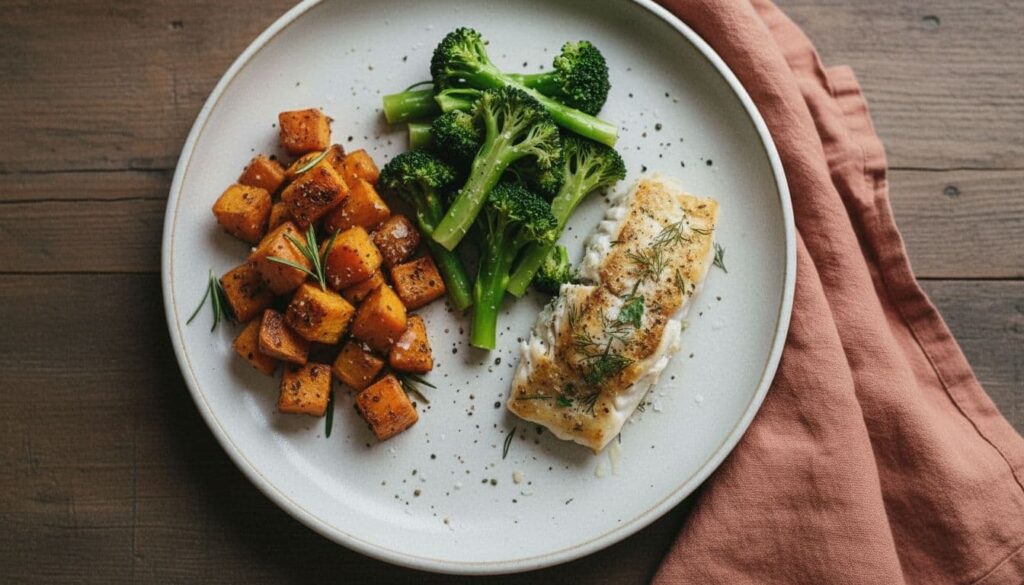
You can take the healthy fats from Keto, the abundance of fruit and vegetables from the Mediterranean diet, and the focus on whole grains and best whole foods for better energy to create a path that works for your taste buds.
Mastering Meal Prep, Planning, and Label Reading
If you don’t have a plan, the grocery store will plan for you, and usually, that plan involves the middle aisles. I try to spend a little time each weekend on meal prep and thinking about the week ahead. It keeps me from reaching for a processed boxed meal when I’m tired on a Tuesday night.
Label reading is your secret weapon because you’d be surprised where ingredients like added sugar hide. Even things that sound healthy, like a cauliflower pizza crust, can be packed with refined starches, high levels of saturated fat, or added syrups.
Always check the back of the package. If sugar is one of the first few ingredients, or if there’s a long list of chemicals, I usually put it back.
Focusing on Plants and Quality Proteins
Veggies don’t have to be boring. If you’re still eating mushy, boiled peas, no wonder you don’t like them! Try roasting your vegetables with a little olive oil and sea salt.
It caramelizes the natural sugars and makes them taste incredible. I’ll roast a giant tray of broccoli, carrots, and Brussels sprouts and use them all week.
For protein, I look for quality. Whether it is grass-fed beef, organic chicken, or oily fish like salmon which is rich in omega-3 fatty acids, the source matters.
Protein keeps us full and helps maintain muscle mass, which naturally wants to take a dip as we get older. Pair those proteins with nutrient-dense starchy foods like roasted sweet potatoes or quinoa instead of white bread, and you’ve got a meal that will actually sustain you.
If you feel overwhelmed by these choices, you might consider a consultation with a registered dietitian to help tailor these ideas to your specific health goals. You can also find more tips for healthy food choices that make this transition much easier.
For help with meal planning go my Healthy Eating Meal Plans post and for help with grocery shopping go to my Ultimate Grocery List post.
Items to Reduce for Better Energy
If you want to stop feeling bloated or tired, there are a few usual suspects you might want to ease up on. Refined, starchy foods like white flour and pasta can cause your blood sugar to spike and then tank, leaving you exhausted.
By choosing options that are high in fiber instead, you can manage your daily calories more effectively while maintaining steady energy levels. The same applies to artificial sweeteners. I have found that they often leave me craving more sweets later on.
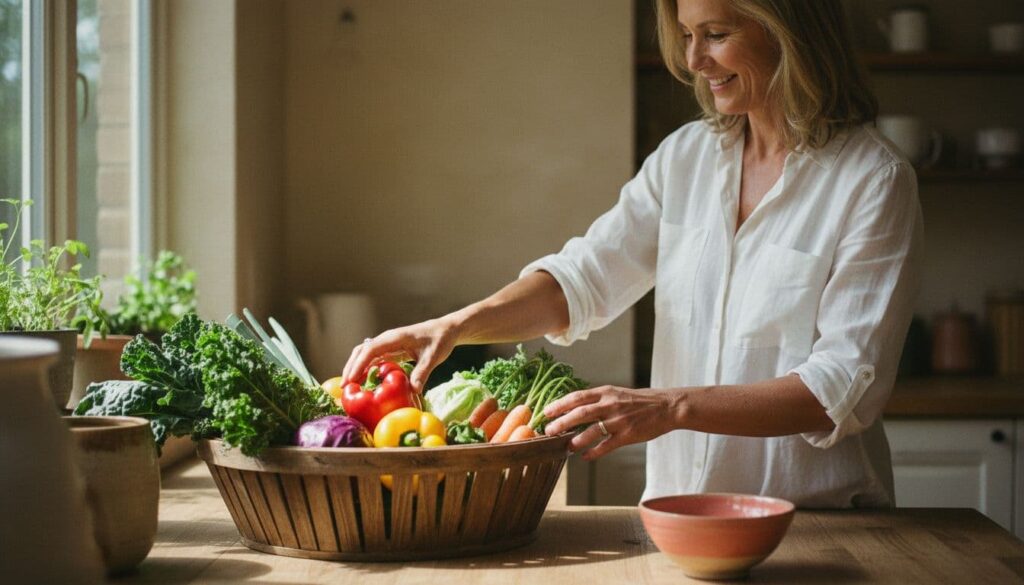
Some common items to reduce include:
- Refined white bread and pasta
- Foods high in added sugar
- Artificial sweeteners
- Processed meats high in saturated fat
- Highly processed packaged snacks
- Excess alcohol consumption
Alcohol is another one to watch in moderation. While a glass of wine is lovely, it can mess with your sleep quality and leave you feeling sluggish the next day. More importantly, overconsuming alcohol is linked to higher blood pressure, which is a key concern as we age.
I have started swapping some of my evening drinks for sparkling seltzer with a splash of lime or cranberry. It still feels like a treat but without the “fog” the next morning.
When you are cooking, it is important to be mindful of the types of fats you use. You should aim to limit saturated fat, which is often found in butter and processed meats, and instead reach for unsaturated fats like avocado or olive oil.
These unsaturated fats are much better for your cholesterol levels. They satisfy the brain and help your body absorb vitamins from all those veggies you are eating.
While focused on nutritional ways to improve health, keep in mind that whole foods should always come first. However, some people may require certain dietary supplements to fill specific gaps, such as Vitamin D or B12.
By being mindful of what we add to our plates and focusing on nutrient-dense choices, we can stay energized and vibrant every single day.
Frequently Asked Questions
Here are the additional questions:
Is it too late to start eating healthy if I’m over 50?
It’s never too late. Your body is incredibly resilient, and even small changes in your nutrition can lead to improvements in energy, digestion, and mood within just a few weeks. Every meal is a new opportunity to support your health.
Do I have to give up all my favorite treats?
Absolutely not. Healthy eating is about the big picture. If you eat whole, nutrient-dense foods packed with essential vitamins and minerals most of the time, your body can handle the occasional treat.
It is about balance, not perfection.
What is the easiest way to start?
The easiest way is to add, not subtract. Instead of focusing on what to cut out, try adding one extra serving of fresh fruit and vegetables to your lunch and dinner.
Once that feels easy, you can look at other small shifts like swapping refined grains for whole ones.
How can I tell if a food is “real” or “processed”?
Check the ingredient list. If it’s short and contains names of things you could find in a kitchen, it’s likely a whole food. If it has a long list of chemicals, preservatives, and fortifiers, it’s highly processed.
Also, look for natural sources of calcium like leafy greens or dairy rather than relying solely on fortified processed snacks.
Why am I so tired even when I think I’m eating well?
Check for hidden added sugar and refined carbs. They can cause blood sugar swings that lead to fatigue.
Try incorporating more whole grains and healthy fats into your meals, as these provide more stable, long-lasting energy throughout the day.
Conclusion
Transitioning to a healthier lifestyle is a marathon, not a sprint. It is about making choices that help you feel stronger, more energized, and more comfortable in your own skin as you age.
I’ve found that having the right tools in the kitchen makes consistent meal prep much easier. My NutriBullet and Vitamix blender are still some of my favorite ways to make quick green juices, smoothies, or creamy vegetable soups without overcomplicating things.
Ultimately, maintaining a balanced diet rich in fruit and vegetables, paired with regular physical activity, is one of the best ways to support longevity and vitality after 50. Small, steady habits often create the biggest long term changes.
If you are looking for more inspiration, I highly recommend checking out the work of Dr. Mark Hyman or Michael Pollan. Their approach to “food as medicine” really resonates with the idea that healthy eating should support your life, not control it. I also read their Pegan Diet book, which helps me have a better meal plan.
Start small, stay consistent, and remember the importance of healthy eating throughout this next chapter of life. Your body will usually tell you what it needs if you are willing to pay attention.






Great article! This covers all the basic to start eating healthy. I love that it is all about creating your specific goals and not abiding by a diet someone else created.
Outstanding article. It really is a choice and as we all know choices can be hard especially with all the treats this time of year. I try to eat what I call sheet pan chicken and vegetables. It’s great heated up the next day. I do want to start meal planning for the week.
Love this! I’m only in my 20s but I have been having health problems and decided to turn to nutrition to help with them and it’s amazing how much a good diet can do for you.
Great! This post complements mine. There are so many health problems that can be avoided just by following healthy eating habits. Thanks!
Great tips. Eating at home and meal prepping always help me eat healthy!
Wonderful post. I totally agree with all the point you mentioned. Also cutting down everything is not an option you can eat whatever you like but in certain limit. You should enjoy healthy eating.
I hit the reset button daily when it comes to making healthy eating choices. I tend to start my day off with a smoothie around 10am. Thanks for these simple reminders.