
16 Healthy Eating Meal Plans and Recipes for the Week
Getting dinner on the table during a hectic week often feels like a puzzle with missing pieces. You want to eat well, but the mental energy required to choose a meal, check the pantry, and actually cook can feel overwhelming after a long day. If you are struggling to balance your nutritional needs with a busy schedule, consulting a registered dietitian can provide a fantastic framework to build habits that last.
The secret isn’t found in perfect execution, but in having a reliable healthy eating meal plan that adapts to your actual life. While there is always a bit of trial and error when you are starting out, getting the basics down makes it much easier to stay on track without the 5:00 p.m. panic.
I’ve found that using easy, familiar favorites on my busiest days helps me stay consistent, while I save new recipes for the weekends when things finally slow down. This balanced approach keeps nutrition manageable and prevents burnout, much like the sustainable principles found in the Mediterranean diet which focuses on whole foods and simple, delicious ingredients.
Key Takeaways for Successful Meal Planning
- Consistency beats perfection; focus on simple nutritious weekly meal planning ideas that use ingredients you already enjoy.
- Prepare a few staples like roasted vegetables or grains ahead of time to create a softer landing for tired evenings.
- Keep a list of emergency meals with pantry basics for those nights when your original plan falls through.
- Prioritize satisfaction by including healthy fats and proteins so you don’t end up grazing in the kitchen later.
- Flexibility is your best friend; it is perfectly fine to swap days or have breakfast for dinner when life gets unpredictable.
Get Your Free Self Care Guide
30 DAYS OF SELF CARE IDEAS AND TRACKER
Sign up to become an insider so you stay up to date on all the happenings…and get a FREE Self Care Guide that has 30 days of ideas and a daily tracker so you can stay on track with your self care.
Healthy Eating Breakfast Ideas to Spark Your Morning
Starting your day with a nourishing meal sets a positive tone for your physical and mental well-being. I have found that keeping things simple is the most sustainable way to make healthy eating a permanent part of my life.
Savory Starts to Fuel Your Day
Many of us grew up thinking breakfast had to be sweet, but savory options are often better for stabilizing blood sugar. I have personally transitioned to more savory mornings because they prevent that frantic hangry feeling before lunch.
Consider these satisfying savory options for your weekly rotation:
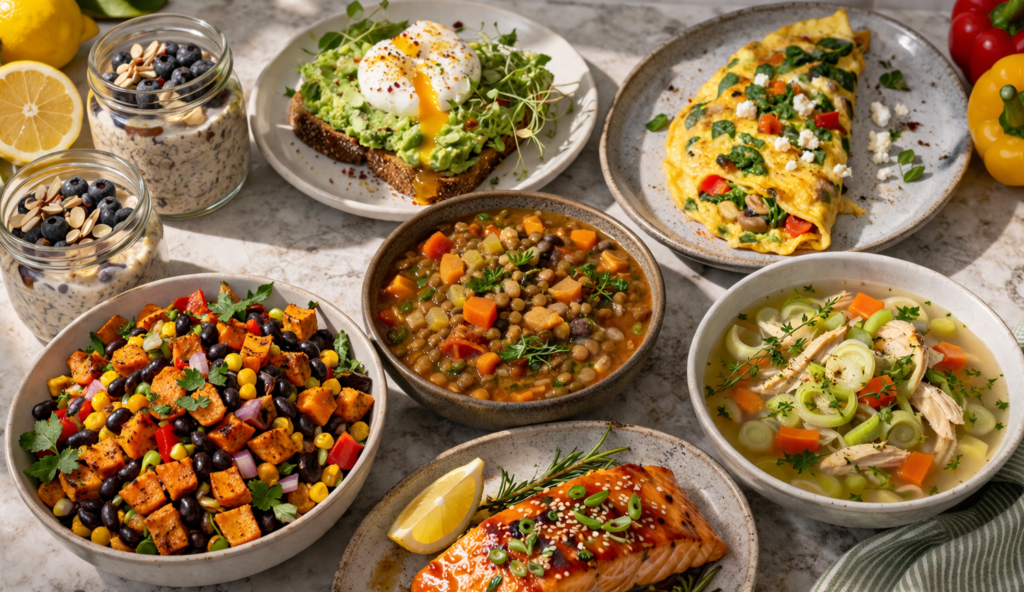
- Avocado Toast with a Twist: Smashing a ripe avocado onto 100% whole-grain toast is a classic for a reason. Incorporating these whole grains ensures you get complex carbohydrates to power your morning. Top it with a poached egg or a sprinkle of hemp seeds to add extra protein and healthy fats.
- Veggie-Packed Omelets: Whisk together two eggs and toss in whatever greens are wilting in your crisper drawer. Adding sautéed spinach, peppers, or mushrooms makes the meal feel like a restaurant brunch at home.
- Warm Quinoa Bowls: Quinoa is not just for dinner; it makes a fantastic savory breakfast base. Mix cooked quinoa with a little feta cheese, cherry tomatoes, and a drizzle of extra virgin olive oil for a Mediterranean-inspired start.
Using the right tools makes these preparations much faster. My personal favorite blender to use is the NutriBullet for a budget friendly choice. If you would like to use a higher quality, more professional blender, you can invest in the Vitamix but be sure of your commitment as this is an expensive tool.
If you are looking to upgrade your kitchen, check out some best tools for healthy cooking to see what gadgets actually save time.
Quick and Sweet Plant-Based Options
If you prefer a hint of sweetness in the morning, you can still keep things healthy by focusing on whole fruits and fiber. The goal is to avoid added sugars that cause energy crashes. I love using berries because they offer a burst of flavor and antioxidants without being overly heavy.
Here are some of my favorites:
- Overnight Oats: Mix rolled oats with your choice of unsweetened almond milk and a spoonful of chia seeds. By the time you wake up, you will have a creamy, pudding-like breakfast that is ready to eat.
- Chia Seed Pudding: Similar to oats, chia seeds soak up liquid and expand to create a filling texture. I like to stir in a dash of cinnamon and top mine with a few walnuts for a satisfying crunch.
- Greek Yogurt Parfaits: Layer plain, unsweetened Greek yogurt with fresh berries and a handful of pumpkin seeds. Then, all done!
Nutritious and Filling Lunch Recipes
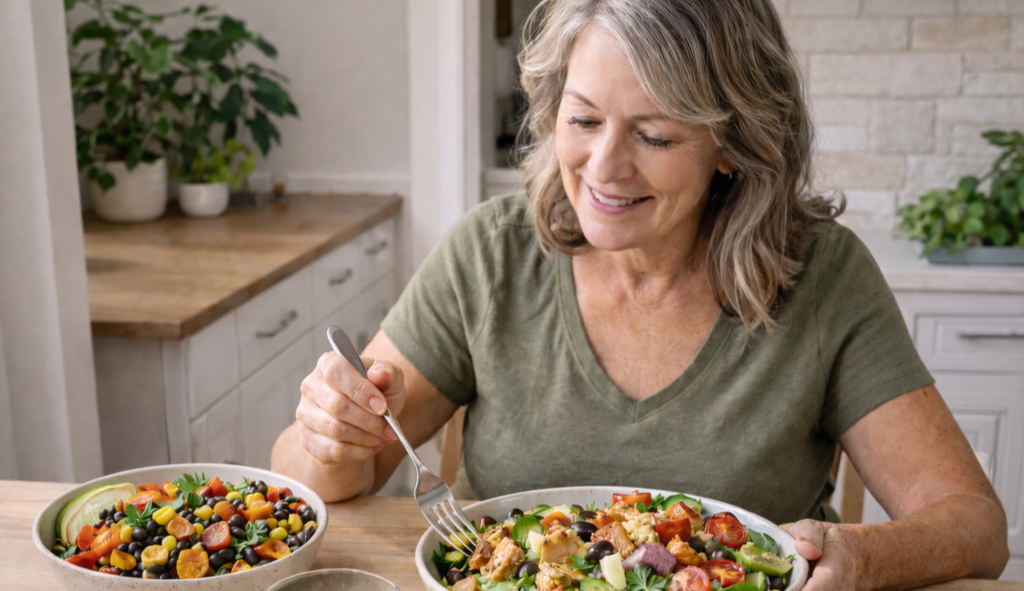
Lunch is often the most neglected meal of the day, yet it is the bridge that carries our energy from morning to evening. For many of us, the mid-afternoon slump is not just about tiredness, but rather a sign that our midday meal lacked the substance to keep us steady. I have found that when I skip a real lunch or grab something light like a few crackers, I end up raiding the pantry by 4:00 p.m.
By spending just a little time on prep, you can turn your lunch hour into a genuine period of restoration rather than a rushed afterthought.
Grain Bowls and Protein-Packed Salads
Salads don’t have to be boring or leave you hungry. Build a filling base with quinoa, farro, or roasted chickpeas, and use sturdy greens that hold up well in the fridge. Adding fiber-rich ingredients helps keep you full longer.
I follow a simple formula: one leafy green, one complex carb, and a protein. A weekly meal plan keeps things easy, and mixing textures like crunchy seeds and creamy cheese makes every bite better.
- Mediterranean Quinoa Bowls: Combine cooked quinoa with chopped cucumbers, kalamata olives, cherry tomatoes, and grilled chicken. A squeeze of lemon and a drizzle of olive oil are all you need for a bright, fresh flavor.
- Roasted Sweet Potato and Black Bean Salad: Toss roasted sweet potato cubes with black beans, corn, and cilantro. This duo provides plenty of nutrients to keep you energized. My favorite dressing is Brianna’s French Vinaigrette (it has no sugar) but the best option is to make your own.
- Salmon and Avocado Power Bowls: Use leftover baked salmon from the night before over a bed of baby spinach. Adding half an avocado provides those essential omega-3 fatty acids that support brain health after fifty, and using a 7-day meal plan can help you rotate this staple into your routine efficiently.
Warm and Comforting Midday Meals
Sometimes a cold salad just won’t cut it, especially in cooler months. Having a batch of homemade soup or hearty chili ready is a lifesaver, you cook once and have meals for days.
For something comforting, chili is a great option. It’s packed with protein, easy to customize, and perfect for slowing down and enjoying a warm, satisfying meal. Here are a few others you can consider:
- Lentil and Vegetable Stew: Lentils are a powerhouse of plant-based protein and iron. Simmer them with carrots, celery, and diced tomatoes, using low-sodium broth, for a heart-healthy lunch that tastes even better the next day.
- Chicken and Leek Soup: This is a lighter alternative to traditional cream-based soups. Using leeks adds a subtle sweetness and plenty of antioxidants.
- Stuffed Bell Peppers: Fill colorful peppers with a mixture of ground turkey and brown rice. You can bake a batch on Sunday and simply microwave one whenever you are ready for lunch.
Smart Snacking and Quick Meal Alternatives
Changing how we view snacks and quick meals is key to making a healthy eating meal plan stick. Instead of grabbing whatever is convenient, like processed bars or chips, our bodies respond better to intentional fuel that supports steady energy. I have found that healthy snacks should never be about deprivation, but about finding nutritious snack options for a balanced diet that actually keep us full.
The most effective strategy is to treat snacks as mini meals that bridge the gap between your main meals. Each bite should include protein, healthy fat, and fiber. When I focused on these three pillars, my afternoon cravings dropped significantly, making it much easier to stay on track.
Having a few quick meal options is also key for busy nights. Instead of turning to the drive-thru, I keep simple staples like canned beans, frozen vegetables, and quick-cooking grains on hand for a balanced meal in minutes. Being prepared for the unexpected makes the whole process feel easier and more sustainable.
Simple Dinner Solutions for Healthy Evenings
Ending a long day with a nutritious meal shouldn’t feel like a second job. Evenings are when willpower is lowest, so having a plan matters most. If I don’t know what’s for dinner by 4:00 p.m. or haven’t checked my grocery list, I’m far more likely to snack or order takeout. Keeping things simple and repeatable helps me stay on track without draining my energy.
The best dinners use ingredients I already have and require minimal cleanup. I lean toward “set it and forget it” meals, especially on busy days. Evenings should be about winding down, and a reliable routine helps create that calm.
Easy Kitchen Shortcuts to Save Time
I am always looking for ways to cut down on prep time without sacrificing the quality of the food I serve. One of my favorite secret weapons for consistent, healthy eating is using specific high-quality seasonings and sauces to do the heavy lifting for me. I have personally used Tastefully Simple products for years because they take the guesswork out of flavoring a dish, which is a great asset for effective meal prep.
Just to be clear, this is not a sponsored post; I am simply sharing a tip that has genuinely helped me stay on track with my own meal planning.
For instance, their Honey Teriyaki sauce is a fantastic way to glaze salmon or stir-fry a mountain of fresh vegetables in minutes. Sometimes, I prepare a quick Mediterranean Tuna Salad, too. When I am feeling particularly short on time, I rely on the Makin’ Magic Chicken seasoning. It is a versatile blend that works beautifully for slow cooker honey mustard chicken served over a bed of fluffy brown rice for a complete and satisfying meal.
I love the feeling of walking through the door after a busy afternoon and being greeted by the aroma of a meal that is already finished. If you need some inspiration for your next hands-off dinner, you can find a variety of healthy slow cooker meals for busy days that serve as excellent heart-healthy recipes to help you maintain a nutritious lifestyle.
- Honey Teriyaki Salmon: Simply brush the sauce over fresh fillets and bake for 12 to 15 minutes. Serve it alongside a bag of steamed broccoli for a complete meal in under 20 minutes.
- Slow-Cooker Magic Chicken: Toss a few chicken breasts into the pot with a sprinkle of seasoning and a splash of broth. By dinner time, you will have tender protein ready to be served over brown rice to keep your energy levels steady throughout the night.
- Beef and Bean Chili: A slow cooker is the ideal vessel for a high-protein crockpot beef chili. By choosing lean ground beef, you can enjoy all the flavor while reducing your intake of saturated fat, and the leftovers taste even better the next day.
These shortcuts are not about being lazy; they are about being strategic with your time and energy.
What a Day of Healthy Eating Looks Like

Visualizing how these components fit together can make the whole process feel much more attainable. When I plan my day, I aim for a rhythm that feels natural and keeps my metabolism humming along without any dramatic dips.
Plus, performing a brief nutritional analysis on your habits ensures that your daily choices provide the essential vitamins and minerals needed for midlife vitality.
Getting Started with Your Planning Routine
Transitioning to a structured way of eating does not happen overnight, and that is perfectly okay. I always suggest starting small by looking at your current top healthy foods for meal planning and building around those familiar favorites.
If you are feeling stuck, remember that your plan should serve you, not the other way around. You do not need fancy containers or a perfectly aesthetic fridge to be successful.
You may focus on these foundational tips to get your momentum going:
- Audit your pantry: Before heading to the store, see what grains and spices you already have to save money.
- Pick one prep day: Many women find that Sunday or Wednesday works best for washing and chopping vegetables.
- Keep it simple: Do not try to cook five brand-new recipes in one week; stick to two new ones at most.
- Write it down: Whether it is a chalkboard in the kitchen or an app on your phone, seeing the plan reduces mental fatigue.
Managing Portions and Nutrition Needs
As we change, our bodies have different requirements for energy and repair. I have noticed that I cannot eat the same way I did in my thirties and expect to feel the same level of vitality. For many of us, the focus shifts toward maintaining muscle and supporting heart health through smarter choices.
According to the National Institute on Aging’s dietary guidelines, older adults often need more protein and specific vitamins like B12 and D. It is not about eating less, but rather about eating high-quality, nutrient-dense items.
A table like the one below can help you visualize how to balance your plate for different goals.
| Goal | Focus | Food Examples |
| Muscle Support | Lean Protein | Greek yogurt, chicken, lentils |
| Healthy Digestion | High Fiber | Berries, chia seeds, broccoli |
| Lasting Energy | Complex Carbs | Quinoa, sweet potatoes, oats |
| Brain Health | Healthy Fats (Mediterranean diet) | Walnuts, salmon, olive oil |
Common Meal Planning Roadblocks
Life is unpredictable, and even the best-laid plans can go sideways when a busy day turns into an exhausting evening. Many women ask me what to do when they just do not feel like cooking the meal they planned. This is why having a Plan B is so important for long-term consistency.
One of the best ways to handle these moments is to keep a few healthy eating staples for simple meal prep in your freezer. Planning ahead also helps you avoid food waste, as you are more likely to use items before they spoil.
If you’re new to this, you might ask:
What if I am cooking for only one or two?
Scale recipes down or embrace leftovers to create budget-friendly meals. I love making a full batch of soup and freezing half in individual portions for later.
Is meal planning expensive?
No. Actually, it usually saves money because you are buying exactly what you need. Focus on seasonal produce and seasonal senior meal choices to keep costs even lower.
Frequently Asked Questions About Healthy Meal Planning
How many meals should I eat per day after 50?
Most women find success with three main meals and one or two small snacks. It is less about the number of times you eat and more about the total nutrient density of those choices throughout the day.
Can I still eat out while following a healthy eating meal plan?
Absolutely! Look for grilled protein options and ask for double vegetables instead of fries. Use dining out as a way to enjoy someone else’s cooking while still honoring your health goals.
How can I stop my meal-prepped lunches from getting soggy?
The best trick is to keep your dressing separate until you are ready to eat. If you are making a salad in a jar, put the dressing at the very bottom, followed by sturdy vegetables like carrots or chickpeas, and keep the leafy greens at the very top.
Do I need to track every calorie in my lunch?
Focusing on how a meal makes you feel is often more effective than strict counting. I prefer to aim for a balanced plate look—half vegetables, a quarter protein, and a quarter healthy starch—while being mindful of portion sizes to keep things simple and stress-free.
Conclusion
Taking the first step toward a new way of eating does not require a total kitchen makeover or a perfectly curated pantry. You can simply start by swapping one daily habit, such as replacing the refined carbohydrates in your morning toast with a more nutrient-dense option. I have found that my own journey became much more sustainable once I stopped chasing perfection and started focusing on how different foods made me feel.
If you are looking for more guidance, I have always been inspired by the practical wisdom of Dr. Mark Hyman and Michael Pollan. When I want something special, I turn to the flavorful recipes in the No Crumbs Left and It’s All Easy cookbook. These resources remind me that healthy eating meal plans should be an act of self-care, not a chore. As you get started, using a weekly menu planner can be a fantastic way to organize your grocery list and stay consistent with these new habits.
What has been the biggest challenge or most rewarding discovery in your own food journey? Please share your stories in the comments below because your experience could be the exact encouragement another woman needs today.





This post is full of very healthy and yummy meal plans. There are no excuses to start eating healthy with your plans. Thanks!
Love the delicious healthy recipes!
Love this! Thank you so much for sharing these yummy healthy recipes. They seem doable and having ideas for each mealtime will make it easier so have days filled with healthy eating. There is sometimes a misconception that if you eat healthy you’re not eating enough, or won’t feel full, but rather it’s because we sometimes don’t go about it the right way, it is hard to know what to eat, so this is very helpful. Great ideas!
Well…. I think I’m inspired to start eating healthy again. Here’s to hoping I stick to it! Thank you for this!
great ideas thanks for sharing
Lovely curation of simple and healthy meal prep ideas. Thank you for making it available in one place. Great work 👍