
What Is Self-Care After 50? Simple Habits That Actually Work
When people ask what is self-care, the answers often sound a bit fluffy. A candle, a bath, a manicure, or a quiet hour with no one asking for anything. These things are nice, but true self-care is much bigger than an occasional treat.
It is a comprehensive practice that supports a holistic sense of self. For me, it represents the daily choices I make to protect my physical, mental health, emotional, spiritual, social, intellectual, and financial well-being. It is how I keep myself steady, not how I reward myself after I have already run myself into the ground.
That matters at any age, but it becomes even more vital after fifty. This season of life can bring health changes, caregiving, grief, retirement questions, empty nest feelings, and relationship shifts, sometimes all at once.
Let us make this simple and practical by exploring what self-care really is, what it is not, and why it deserves a permanent place in your daily life.
Key Takeaways
- Consistent self-care acts as daily support for your overall health, rather than just occasional pampering.
- After fifty, prioritizing your mental well-being helps you protect your energy and remain resilient through life transitions.
- A sustainable self-care routine should be small, realistic, and tailored to fit your specific lifestyle.
- Your long-term well-being is supported by intentional rest, physical movement, social connection, and financial habits.
- Setting healthy boundaries is an essential component of self-care that allows you to manage your time and priorities effectively.
Get Your Free Self Care Guide
30 DAYS OF SELF CARE IDEAS AND TRACKER
Sign up to become an insider so you stay up to date on all the happenings…and get a FREE Self Care Guide that has 30 days of ideas and a daily tracker so you can stay on track with your self care.
Defining What Is Self-Care After Fifty
After fifty, life often asks more from me while my body asks for better care. I may be dealing with sleep changes, joint pain, or shifts in my physical health, and even good changes can be draining.
Between menopause aftershocks, aging parents, a shifting marriage, or the strange quiet of an empty house, the weight of transition becomes real.
When I ignore my needs for too long, I feel it everywhere. My patience gets thin, my sleep slips, and my body tightens, making small problems feel bigger than they are. Practicing self-care helps me catch that sooner and better cope with stress before it starts running the show.
This is one reason I take the basics more seriously now. These are not optional extras, they are essential maintenance for my health and well-being:
- Food
- Movement
- Rest
- Hydration
- Quiet
- Support
The CDC’s health tips for women over 50 make it plain that prioritizing these habits is vital for my overall health, especially around sleep, activity, and preventive care.
I also think self-care matters because transition can shake my identity. If I have spent decades caring for everyone else, I need to rediscover who I am when those roles change, and a thoughtful routine gives me something steady to come back to. It builds the resilience I need to navigate life’s challenges and reminds me that my well-being still counts, even when life feels uncertain.
What Self-Care Really Is, and What It Is Not
Self-care is any intentional action that helps me stay well and function at my best. Sometimes these self-care activities look gentle, like taking a walk or calling a friend, and sometimes they look boring, like making a doctor appointment or going to bed on time.
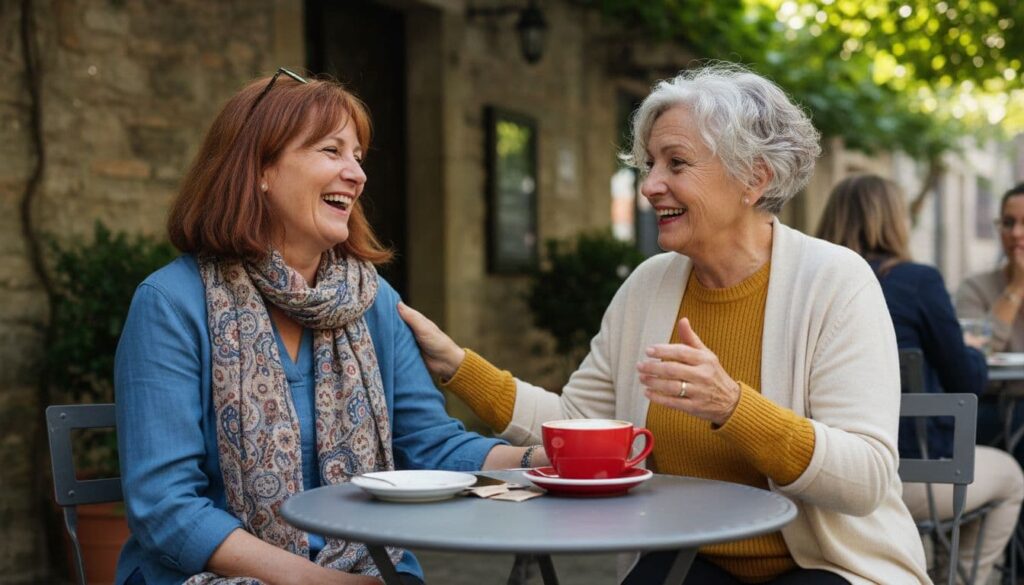
When considering what is self-care, many people get tripped up by common misconceptions. It is not selfish, it is not lazy, and it is not necessarily expensive, and it is not a prize I earn after I have exhausted myself.
It is also not limited to spa days and skin care, no matter what social media wants me to believe. Self-care is maintenance, not a reward.
Real self-care supports the various pillars of well-being, and each area needs attention to stay balanced:
- Physical health needs sleep and movement
- Mental health requires calm and focus
- Emotional well-being thrives on honesty
- Spiritual well-being depends on finding meaning
- Social life requires healthy connection
- Intellectual health grows through curiosity
- Financial well-being needs regular attention
If I only focus on one area and neglect the rest, I still end up off balance. This guide on different types of self-care explained is a helpful reminder that these self-care practices go well beyond bubble baths.
A simple way to think about it is this: if something helps me feel steadier tomorrow, it is probably self-care. If it leaves me more depleted, more stressed, or more checked out, it probably is not.
How I Can Build a Self-Care Routine That Actually Sticks
A self-care routine does not need to be pretty, expensive, or time-heavy. It needs to be doable, and that is the part that matters most.

I do not need a perfect morning routine, a color-coded planner, or two free hours a day. I need a few habits I can repeat even when life is busy to help me prevent burnout. If you want more real-life examples, these daily self-care routines for women over 50 keep it simple.
Step 1: Start With a Simple Self-Care Routine You Can Realistically Maintain
I start by asking one honest question: what do I need most right now? That answer usually tells me where to begin without overcomplicating things.
If I am tired, sleep comes first. If I am wired and anxious, I may need less screen time and more quiet, and if I feel flat, I may need sunlight, movement, or connection.
The goal is not to fix everything at once. It is to pick two or three habits that match my real needs, effectively building a self-care toolkit I can rely on.
That might look like:
- A 10-minute walk
- A protein-rich breakfast
- An earlier bedtime
- Five minutes of journaling
Small is good. Small is repeatable, and small keeps me from turning self-care into another thing I fail at.
Step 2: Anchor Your Self-Care Habits Into Your Daily Routine
New habits stick better when they ride on the back of old ones. I do not wait for the perfect moment because that moment rarely shows up.
I attach a new action to something I already do, which removes a lot of decision fatigue. For example:
- After I pour my coffee, I drink a glass of water
- After lunch, I practice five minutes of mindfulness or deep breathing
- Before bed, I put my phone in another room and read a few pages
Movement is a good example of this. It does not have to be intense to help, and spending time in nature for a gentle walk is often enough.
The National Institute on Aging’s overview of exercise benefits points to better sleep, lower anxiety, and better daily function. That is not about chasing fitness culture, it is about feeling better in my own life and supporting long-term health and well-being.
Step 3: Stay Consistent With Your Self-Care Routine by Keeping It Flexible
This is the part people miss. Consistency does not mean rigidity.
Some weeks I can take a full walk, cook good meals, and keep a solid bedtime. Other weeks I can only do the minimum. That is still okay. A five-minute stretch still counts. So does a simple sandwich instead of skipping lunch. So does saying, “I cannot do that today.”
If my routine only works when life is calm, it is not much of a routine. I want one that bends without breaking. That is what makes it sustainable.
Self-Care Is Not Selfish, It Is Responsible
A lot of women carry guilt around self-care, and I understand that. Many of us were praised for being helpful, available, and self-sacrificing, so we got very good at putting ourselves last. Over time, that pattern leaves us feeling drained and affects our emotional health.
The truth is simpler than the guilt story. A worn-out version of me is not more loving, it is more reactive, more tired, and less present.
When I rest, set boundaries, and pay attention to my health, I show up better for the people I care about. Relying on social support is not a weakness, it is a way to ensure I remain present for those I love.
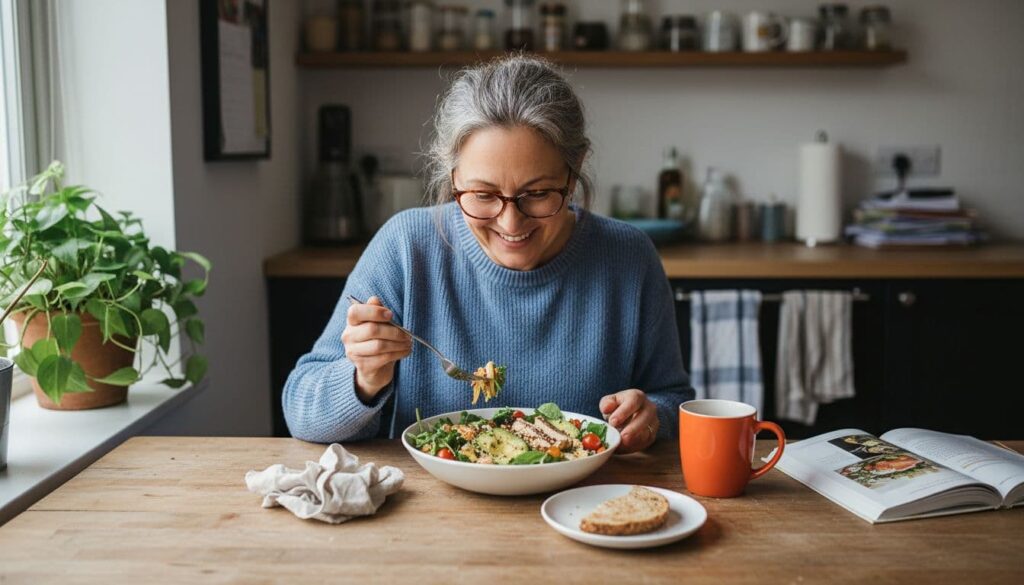
That includes the unglamorous parts of life. Keeping appointments, saying no, and protecting my mornings are essential, and my daily routine also involves environmental health. Creating a peaceful and orderly home space significantly impacts my overall well-being.
It also includes seeking professional help when needed, joining a support group, watching my spending, and finding a quiet moment to practice gratitude. Remember, healthy eating habits in your 50s points to the long-term value of basics like exercise, sleep, and preserving strength.
None of that is selfish. It is adult responsibility.
While we often view these habits as solitary, we should also embrace community care. When we flourish, we contribute to the wellness of those around us.
Self-care is a profound form of self-respect. It tells me my needs are real, even if no one else sees them, and that is a healthy message to live by at any age.
FAQs About Self-Care After Fifty
Here are a few questions that may hep you.
What Is the Simplest Way to Start Self-Care?
To understand what is self-care, think of it as identifying the area of your life that currently needs the most attention. If you are exhausted, prioritize sleep. If you are feeling tense, incorporate a short walk or a few minutes of quiet time to manage stress.
Starting with one small habit is all you need to begin a sustainable routine.
Is Self-Care the Same as Pampering?
No. While pampering can be a pleasant part of your routine, it is not the complete definition. Self-care is much broader and more practical than occasional treats. It is a comprehensive approach to maintaining your physical health and emotional well-being.
This includes essentials like adequate rest, regular movement, setting healthy boundaries, eating nutritious meals, attending doctor visits, and even managing your financial habits.
What if I Don’t Have Much Time?
If your schedule is packed, simply make your self-care smaller, rather than impossible. Five minutes of stretching, taking a proper lunch break, a moment of prayer or meditation, drinking a glass of water, or saying no to one extra commitment all count toward your goal.
The point is not perfection or grand gestures. The point is providing yourself with the consistent support you deserve.
Conclusion
The buzz around self-care can make it sound soft, trendy, or optional. It is not, and consistent self-care is a daily practice that helps me stay healthy, balanced, and ready for real life.
After fifty, that matters even more. My energy is worth protecting, my peace is worth guarding, and both my overall well-being and mental health are priorities worth planning for.
I do not need a grand reset to improve my self-care habits. I simply need one small step I can take today, and then another tomorrow, to sustain the healthy self-care routine I deserve.







Love this! Self care is everything! Thanks for sharing 🙂
Love this! Self care is so important and I love that people are talking about this more and more. Thanks for sharing!