The Protein Needs Women Over 50 Have Each Day
Protein isn’t only for athletes or people trying to change the number on a scale. After fifty, it helps protect muscle mass and physical function for the life you want to live, carrying groceries, traveling, gardening, playing with grandchildren, and getting up from the floor without a second thought.
This isn’t a diet trend or a prescription for weight maintenance. I want you to have a clear daily protein intake target, not another food rule to worry about.
Key Takeaways
- Most healthy postmenopausal women can begin with a practical daily protein intake of 1.0 to 1.2 grams of protein per kilogram of body weight each day.
- If you’re doing resistance training, have higher physical activity levels, or are working to preserve muscle, a target of 1.2 to 1.6 grams per kilogram may better support physical performance.
- Spread protein across meals, aiming for about 25 to 35 grams at a time, rather than saving most of it for dinner.
- Pair enough protein with regular strength work. Together, they help preserve lean body mass and support physical function. Your muscles need both the building materials and the reason to use them.
Why Protein Matters More After Menopause
Muscle naturally changes with age, and menopause can make those changes feel more noticeable. Shifting hormones, less physical activity, poor sleep, stress, and long stretches of sitting can all make it easier to lose muscle mass and lean body mass.
That age-related loss of muscle is called sarcopenia. It can affect balance, physical function, physical performance, and broader health outcomes. Harvard Health’s overview of muscle loss and protein needs in older adults offers a helpful reminder that this is not about chasing a certain look. It is about staying capable.

As we get older, our muscles can become less responsive to a small amount of dietary protein. This is called anabolic resistance. In plain English, that smaller serving may create a weaker signal for protein synthesis. The skimpy breakfast that once held you over may no longer give your muscles enough of a signal to repair and maintain themselves.
Protein helps, but it isn’t magic by itself. Think of it as lumber for a house. Your body still needs strength work to tell it where that lumber should go.
Protein Needs Women Over 50 Have: Find Your Number
The standard Recommended Dietary Allowance is 0.8 grams of protein per kilogram of body weight, or about 0.36 grams per pound. That amount prevents deficiency for many adults, but it may not be enough to support muscle preservation as we age.
Protein targets after 50 vary with activity, health, appetite, and goals. The Administration for Community Living’s protein guide for older adults recommends 1.0 to 1.2 grams per kilogram as a practical range for many healthy older adults.
Here is the easy math:
- Divide your body weight in pounds by 2.2.
- Multiply that number by your daily protein intake target.
If you weigh 150 pounds, you weigh about 68 kilograms. A target of 1.0 to 1.2 grams per kilogram gives you a daily range of about 68 to 82 grams of protein.
| Your Situation | Daily Protein Target | Example for a 150-Pound Woman |
|---|---|---|
| Mostly sedentary | 1.0 g per kg | About 68 g |
| Regular walking and general activity | 1.0 to 1.2 g per kg | About 68 to 82 g |
| Regular resistance training or a very active life | 1.2 to 1.6 g per kg | About 82 to 109 g |
Use your current body weight as a starting point, then pay attention to how you feel and what you can sustain. This range can help preserve muscle mass, lean body mass, and physical function. Adjust it for physical activity and appetite. If you have chronic kidney disease, a history of kidney problems, or another condition affecting your diet, seek individualized guidance. Ask your doctor or a registered dietitian for a personal target.
Make Each Meal Pull Its Weight
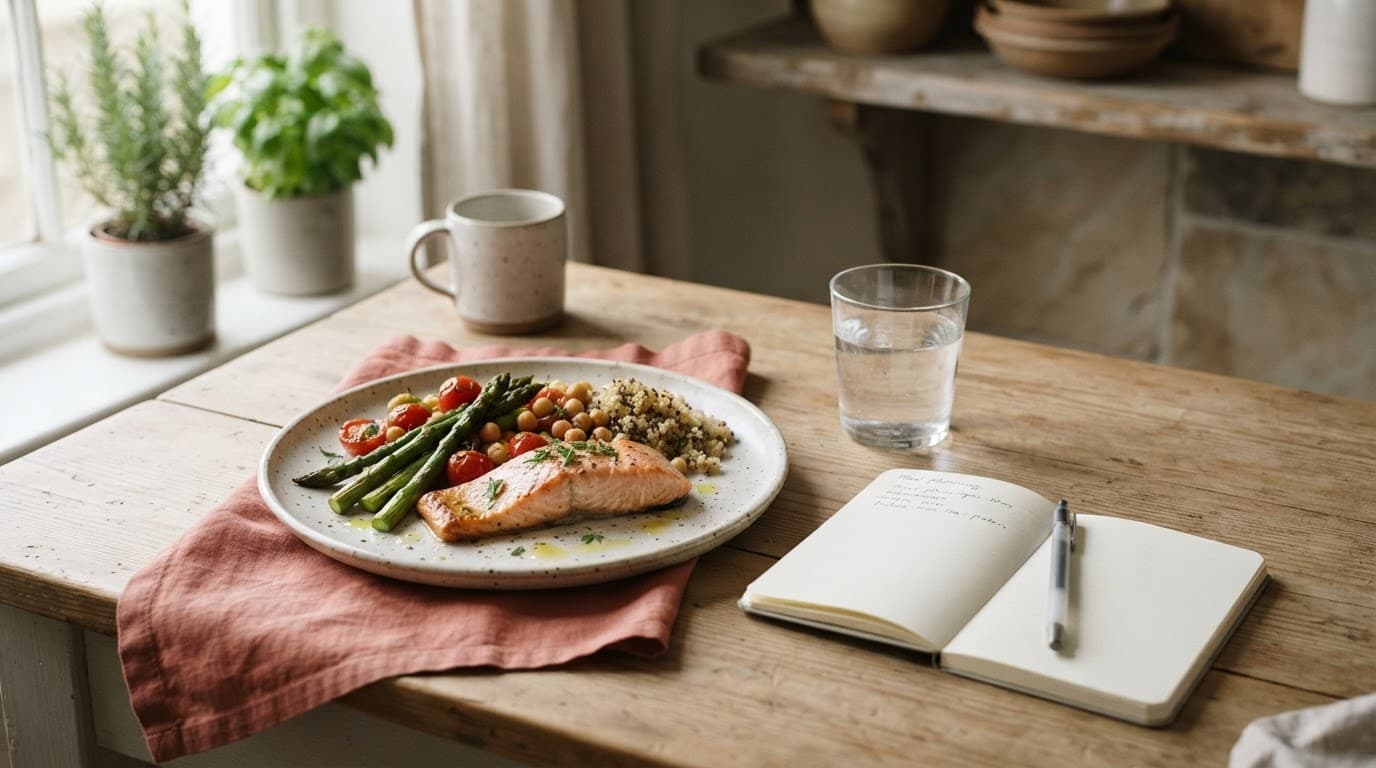
Many women distribute dietary protein unevenly, with a little at breakfast, a little more at lunch, then a huge portion at dinner. Appetite, schedules, and physical activity can influence that pattern, and I see why it happens. Dinner is often the meal we slow down for. Still, your muscles respond better when protein shows up throughout the day.
A useful protein intake per meal target is 25 to 35 grams, especially at breakfast and lunch. For a 150-pound woman, 0.4 grams per kilogram per meal is roughly 27 grams. That is a friendly number to remember.
A protein-heavy dinner can’t fully make up for a nearly protein-free day. Anabolic resistance means older muscles may respond less strongly to one giant dose.
The amino acid leucine helps switch on muscle protein synthesis, which is your body’s process of repairing and building muscle tissue. Eggs, Greek yogurt, cottage cheese, fish, chicken, beef, soy foods, and whey protein all contain leucine. For most people, leucine supplementation isn’t necessary when they regularly eat enough complete protein.
I like to build breakfast around protein first. Greek yogurt with berries and nuts, eggs with leftover vegetables, or cottage cheese with fruit are all satisfying places to start. At lunch, a salmon salad, chicken-and-bean soup, or tofu grain bowl can carry you through the afternoon without that familiar 3 p.m. slump. On busier days, protein supplements can offer convenience, but they aren’t required.
A research review on protein and sarcopenia prevention supports looking beyond daily totals and discusses evidence from randomized controlled trials. It doesn’t establish one ideal meal target. Spreading protein across meals gives your body regular opportunities to use it and may support physical function and physical performance.
Put Better Protein Foods on the Plate
Animal foods can make it easier to reach your target, but plant foods can help meet it, too. Fish, eggs, Greek yogurt, cottage cheese, chicken, turkey, and lean cuts of beef all pack a solid amount of dietary protein into an ordinary serving.
Plant-based protein counts, too. Tofu, tempeh, edamame, lentils, beans, peas, nuts, seeds, and soy milk all belong on the table. Soy is especially helpful because it provides all essential amino acids. You don’t have to pair beans and grains at every meal for plant protein to “count.” Eating a varied diet across the day is enough.

I don’t believe every meal needs to be perfect. I do believe it helps to keep protein visible. A hard-boiled egg, a small bowl of cottage cheese, apple slices with almond butter, or a handful of roasted edamame can turn a snack into something that supports lean body mass and changing physical activity demands.
Protein supplements can be handy on busy days, but they’re optional and shouldn’t displace real food or a varied diet. If you use one, I suggest choosing a product with a short ingredient list. Separate leucine supplementation isn’t automatically needed when meals or a complete supplement provide sufficient protein.
For the larger picture, protein works best alongside fiber, colorful produce, healthy fats, and enough water. That kind of protein and balanced nutrition supports physical function beyond a single meal. It may also contribute to physical performance and broader health outcomes.
Pair Protein With Strength Work
Can you build meaningful muscle after fifty without resistance training? You may preserve some existing muscle without it, but strength work is more important for building substantial muscle mass. Adequate daily protein intake works best with training, because together they support protein synthesis more effectively than protein alone.
Two nonconsecutive resistance training sessions each week are a realistic place to begin. Chair stands, wall push-ups, resistance-band rows, step-ups, and carrying a moderately heavy bag can all count as physical activity. Start where you are, then slowly add repetitions, resistance, or weight as you get stronger, supporting your lean body mass.
Walking is wonderful for your heart, mood, and mobility, and it can make regular physical activity easier to maintain. It just doesn’t challenge muscles like resistance exercise, but both can support physical function, physical performance, and broader health outcomes. If pain, osteoporosis, injury, or a health condition makes exercise feel complicated, a physical therapist or qualified trainer can help you find a safe starting point.
Frequently Asked Questions
What Does Leucine Do for Muscle?
Leucine is an essential amino acid that helps trigger muscle protein synthesis. Foods such as dairy, eggs, fish, poultry, beef, and soy provide it. Most people don’t need to count leucine or use leucine supplementation, although specific medical or nutritional needs may call for guidance. Eating enough complete protein at each meal is the simpler approach.
Can You Build Muscle Without Resistance Training?
Protein alone is not enough for meaningful muscle growth. Resistance training creates the demand, and protein gives your body the materials to respond. Start with manageable physical activity, then build strength work gradually and consistently to support physical performance.
Do You Need Protein Supplements?
No. Whole foods can meet your protein needs beautifully. A supplement can be useful when appetite is low, mornings are rushed, or you need a convenient snack after exercise. Choose one you enjoy and can digest well.
A Stronger Next Chapter
The protein needs women over 50 have are often higher than the old one-size-fits-all number. Set a daily protein intake target, spread it across meals, and pair it with resistance training and regular physical activity. These habits support physical performance in daily life, from carrying groceries and climbing stairs to traveling with confidence. They can also support broader health outcomes.
You don’t need a flawless food plan. Consistency matters more than perfection as you support the body carrying you toward joy, purpose, and all the good things ahead.