How to Heal From Past Trauma After 50
By the time you reach 50, you have lived a full and layered life. You have loved, lost, celebrated, and grieved. Some of those experiences, especially the painful ones, may still be quietly shaping how you show up in the world today.
The good news is this: it is never too late to heal from trauma after 50. Healing does not require you to erase the past. It begins with one courageous step: being willing to look back with honesty and compassion.
I know that might sound counterintuitive. Why revisit old wounds when you are trying to move forward? But the truth is that your present reactions, fears, and emotional patterns are often rooted in past experiences. When grief or trauma remains unaddressed, it can continue influencing your life in ways you may not even realize.
Reflection is not about reliving pain or staying stuck in it. It is about understanding what happened, recognizing how it affected you, and reclaiming the parts of yourself that trauma tried to silence.
Key Takeaways
- Healing is timeless: It is never too late to address past trauma, and doing so at 50 or beyond is a vital step toward long-term mental health and personal growth.
- Reflection over rumination: True healing requires looking back with compassion and purpose rather than getting stuck in regret or painful replaying of events.
- Use the Reflection Cycle: The four-step framework of Remember, Reflect, Release, and Renew offers a structured way to process memories without becoming overwhelmed.
- Prioritize self-compassion: Approaching your history with kindness and curiosity allows you to stop being a prisoner of your past and start using your story to inform your future.
Get Your Free Self Care Guide
30 DAYS OF SELF CARE IDEAS AND TRACKER
Sign up to become an insider so you stay up to date on all the happenings…and get a FREE Self Care Guide that has 30 days of ideas and a daily tracker so you can stay on track with your self care.
Your Past May Still Be Shaping Your Present
Many women over 50 carry stories they have never fully processed, including unresolved trauma from years gone by. The pain of losing a parent too soon, the end of a marriage, a difficult childhood, or the death of someone deeply loved can leave emotional imprints that last for decades.
While adverse childhood experiences are often discussed in relation to children, their effects can continue well into adulthood. In many cases, older adults still carry emotional patterns, fears, or coping habits that began early in life.
For me, reflection has always been like gazing through a window, seeing both the shadows and the sunlight that have shaped who I am. I remember vividly the losses that marked my life, including the deaths of my father when I was young, and later my sister and brother-in-law. Walking through those seasons taught me that trauma recovery is not a one-time event. It is an ongoing part of protecting your long term mental health.
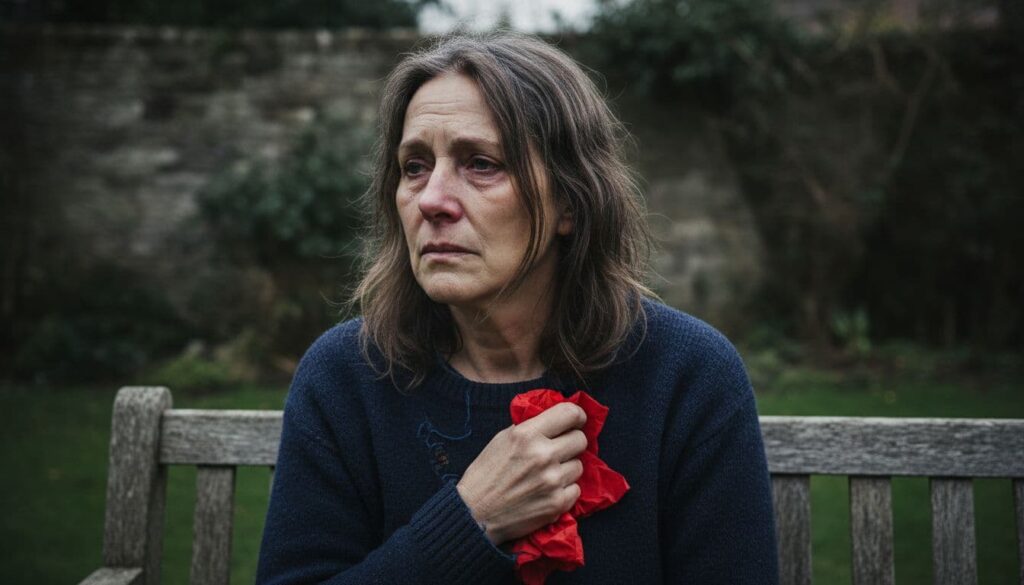
When you look at your past with honesty and compassion instead of judgment, something begins to shift. You stop seeing yourself as trapped by your story and start recognizing your ability to grow beyond it.
Why Looking Back Helps You Move Forward
There is a type of looking back that keeps people stuck in cycles of regret, rumination, and emotional replay. That is not the kind of reflection we are talking about here.
Healthy reflection is intentional and grounded. It allows you to look at your experiences with fresh eyes, acknowledging both the pain and the strength that shaped you along the way.
To move forward with purpose and clarity, you first need to understand where you have been. You may still be carrying traumatic memories or relying on coping mechanisms that once protected you but no longer serve you today.
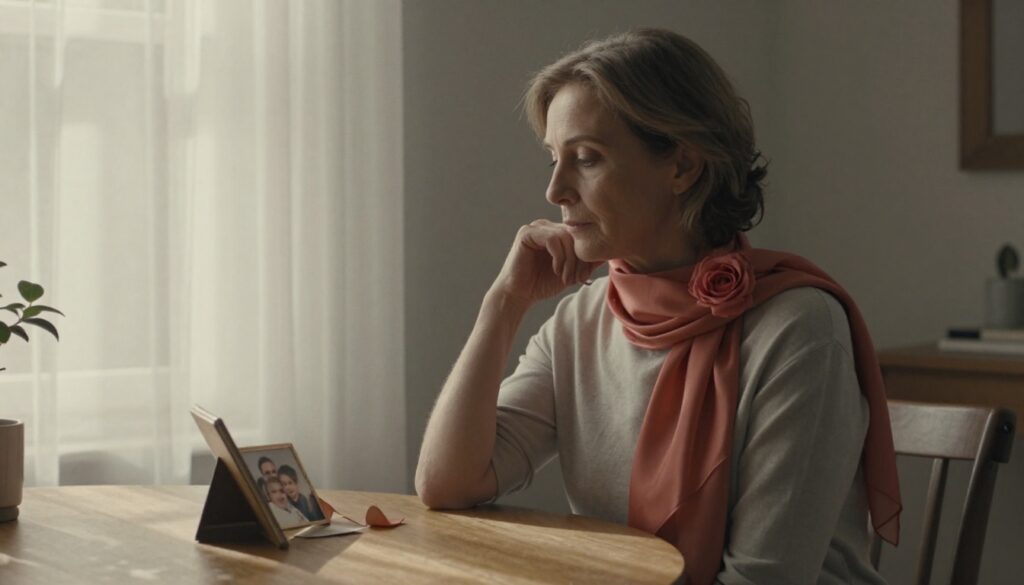
Reflection can help you:
- Recognize emotional patterns that continue to affect your relationships and decisions
- Understand how past experiences shaped your beliefs about yourself
- Identify coping habits that may no longer support your growth
- Reclaim parts of yourself that were buried beneath grief or trauma
This process is not about blame or shame. It is about witnessing your own life with compassion so you can move forward with greater freedom, self awareness, and intention.
Introducing the Reflection Cycle: A Simple Framework for Healing
So how do you actually do this? How do you reflect in a way that heals rather than hurts?
That is where the Reflection Cycle comes in. It is a simple but powerful four-step framework that guides you through the process of looking back as part of your larger healing journey and recovery process. The four stages are: Remember, Reflect, Release, and Renew.
This cycle is not a one-time event. It is a steady companion on your path, something you can return to as new layers of your story reveal themselves.
It is also important to note that if at any point you feel overwhelmed, it is okay to pause. Healing is not linear, and there is no shame in seeking professional help. You can find a supportive therapist at BetterHelp.
The Reflection Cycle: A Step-by-Step Breakdown
Here are the four key steps that can help you process your experiences and move forward with greater clarity and peace.
1. Remember
Gently bring your memories and emotions into awareness without judgment. The goal is not to relive the pain, but to acknowledge what happened with honesty and openness.
Ask yourself:
- What happened?
- What emotions still surface when I think about it?
- What memories have I avoided or minimized?
2. Reflect
Take time to explore the meaning and impact of your experiences. This stage is especially powerful for inner child work and understanding how past events shaped your beliefs, relationships, and emotional responses.
Ask yourself:
- What did I learn from this experience?
- How has it shaped the way I see myself or others?
- What patterns may have developed because of it?
3. Release
Let go of the pain, shame, or limiting beliefs that no longer serve you, including the belief that you can no longer trust your own judgment. If betrayal has shaken that trust, my guide to rebuilding self-trust walks through how to begin. Release does not mean forgetting the past. It means loosening the emotional grip it has on your present life.
Ask yourself:
- What can I release to move forward?
- What beliefs am I ready to let go of?
- Where do I need forgiveness, compassion, or grace?
4. Renew
Use the insights you have gained to create healthier patterns, stronger boundaries, and a renewed sense of purpose. This stage is about choosing how you want to move forward.
Ask yourself:
- What new story do I want to write?
- What habits or behaviors will support my healing?
- How can I move through this next chapter with intention?
Inside my upcoming book, The Flourish Journey, I take this even deeper through The Reflective Window, a framework that helps you look at your past through four powerful lenses. If this resonated with you, there is so much more waiting inside those pages.
How to Start Your Reflection Practice Today
You do not need a therapist’s office or a retreat to begin. You can start right now with a few quiet moments and an open journal.
For those who need more support, various therapeutic techniques can be incredibly effective. Methods like EMDR, somatic experiencing, and cognitive behavioral therapy are designed to assist with emotional regulation.
These tools can help:
- Calm the nervous system
- Reduce hyperarousal
- Soothe a dysregulated stress response
- Support emotional well-being and physical health
It is often helpful to seek out trauma-informed care or senior counseling. You might even consider searching for a medicare therapist who specializes in these areas.
Ultimately, your first priority should always be safety and stabilization. Using grounding techniques can help restore your emotional well-being and physical health while you navigate these significant life changes.

Sit with these questions:
- What moments in my past have shaped me the most?
- What have I learned from them?
- What am I finally ready to release?
- What new story do I want to write for the second half of my life?
Frequently Asked Questions
Here are additional questions that may help you.
Is it normal to feel worse before I feel better when reflecting on trauma?
Yes, it is common to experience emotional discomfort when first revisiting painful memories. This is why it is essential to proceed with patience and ensure you have proper support, such as a therapist, to help you navigate these feelings safely.
How do I know if I need professional help rather than doing this on my own?
You may need professional help if your memories feel overwhelming, cause persistent distress, or interfere with your daily life. Trauma-informed care, such as EMDR or somatic experiencing, can provide necessary tools for regulation that are difficult to develop in isolation.
Can childhood trauma really affect me this much in my 50s?
Yes, childhood trauma can continue affecting you in your 50s because early experiences often shape fundamental beliefs and coping mechanisms carried into adulthood.
Even if these events occurred decades ago, their impact on your nervous system and behavior can persist until they are consciously addressed and processed.
Does the Reflection Cycle have to be done in order?
No, the Reflection Cycle does not always have to be done in order. While the cycle offers a logical flow, you may find yourself moving through these stages in a non-linear way as new layers of your story surface.
Treat the framework as a flexible companion that you can return to whenever you feel ready to process a new aspect of your journey.
Give Yourself the Chance to Reflect and Reclaim Your Spark
Reflection is the bridge between who you were and who you are becoming. It is where you stop letting your past define you and start letting it inform you so you can move forward with greater clarity, purpose, and joy.
The practice of Reflect and Reclaim is one of the seven transformative steps explored in my upcoming book, The Flourish Journey. This complete framework is designed to help women over 50 heal, reclaim their power, and create a new story for their lives.
Your story does not have to be defined by grief or what you have lost. Through dedicated trauma recovery, you can create a life filled with strength, hope, resilience, and beautiful possibility.
It all begins with the courage to look back with compassion so you can move boldly forward.