Mindful Eating After 50, a Practical Guide for Real Life
There comes a point when food advice starts to feel like background noise. One expert says cut carbs. Another says count macros. Someone else wants me to stop eating after 7 p.m. It can feel like too many rules, too much pressure, and no room for real life.
That’s why mindful eating after 50 has become such a steady middle ground for me. It’s not strict dieting, and it’s not eating on autopilot. It’s a calmer way to eat that supports healthspan, enjoyment, and the kind of self-trust I want more of in this season of life.
Key Takeaways
- I eat more mindfully when I pause and notice what my body is asking for.
- A little planning helps me make good choices without feeling boxed in.
- Hunger cues, thirst, and cravings get easier to read with practice.
- Satisfaction matters, because a meal that feels good is easier to stop after.
- Flexibility keeps mindful eating realistic on busy, imperfect days.
Why Mindful Eating Feels So Different From Another Diet
Mindful eating sounds fancy, but it isn’t. For me, it means paying attention while I eat, noticing hunger and fullness, and making food choices with more care. That’s it. No points, no guilt chart, no list of forbidden foods taped to the fridge.
What it is not matters just as much. It is not calorie obsession. It is not cutting out whole food groups because someone online said I should. It is not trying to control every bite so tightly that food starts running the whole day.
After 50, that softer approach feels like a relief. My body has changed. My schedule has changed. My energy, stress, sleep, and hormones all play a part. Because of that, I need habits that work in actual life, not just in a perfect week with no errands, no travel, and no family dinners.
I Don’t Need Perfect Rules to Make Better Food Choices
All-or-nothing thinking can make eating feel exhausting. If breakfast wasn’t ideal, lunch feels ruined. If I had dessert, the whole day feels off track. That kind of thinking drains the joy right out of meals.
Mindful eating helps me step out of that trap. I can choose a lighter lunch after a heavy breakfast, or add vegetables to dinner after a snacky afternoon. I don’t need a perfect meal plan every day to make a thoughtful choice right now.
That shift lowers stress fast. Instead of asking, “Did I do this right?” I ask, “What would feel good and supportive next?” It’s a small change, but it feels like opening a window in a stuffy room.
Learning to Trust Myself Again Around Food
Midlife has made me want more honesty and less performance. I don’t want to eat by someone else’s rules if those rules leave me tired, cranky, or always thinking about food.
So I practice self-trust. I notice how certain meals affect my energy. I pay attention to what keeps me full. I let my own body teach me. That doesn’t mean I eat perfectly. It means I stay present enough to learn.
When I eat this way, food starts feeling less like a test and more like a conversation. My body gives signals. I listen. Then I respond with a little more care.
How I Make Mindful Eating Work in Real Life
Mindful eating gets much easier when I support it before I’m starving. I don’t need rigid structure, but I do need a little rhythm. Otherwise, hunger shows up loud, and suddenly I’m grabbing whatever is fastest.
A Little Planning Helps Me Eat Well Without Overthinking
I like a loose plan, not a strict script. At the start of the week, I think through a few dinners, easy lunches, and one or two breakfast options. Then I make a grocery list that fits that rough plan.
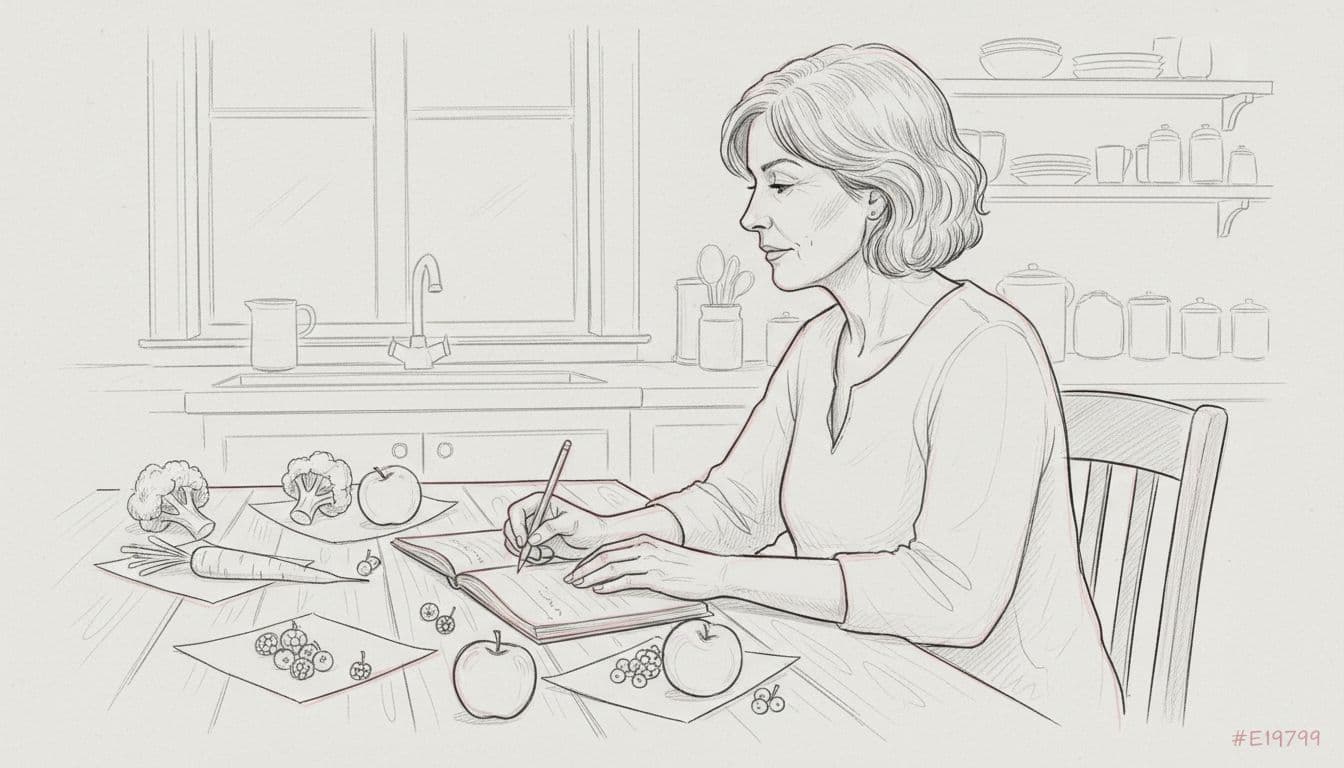
Planning doesn’t trap me, it supports me. When I have balanced foods at home, I make calmer choices. I also keep a few treats around, because feeling satisfied matters. If I never allow anything fun, I end up feeling deprived, and that usually backfires.
On weeks when I need inspiration, I like using flexible lunch and dinner plans or going back to a few familiar staples. That gives me enough structure to avoid decision fatigue, but still leaves room for real life.
Simple Prep Habits That Make Healthy Choices Easier
I don’t meal prep like a fitness influencer, and I don’t need to. Usually, I cook one or two things on Sunday, then one more meal midweek. I make enough for leftovers, because Future Me is always grateful.
That might mean roasted vegetables, grilled chicken, soup, or a grain I can use in bowls later. Leftovers save time, but they also protect me from that 5:30 p.m. panic when I’m tired and tempted to order something that won’t leave me feeling great.
A little prep gives me a softer landing on busy days. It keeps mindful eating practical, not theoretical.
The Daily Mindful Eating Habits That Help Me Stay in Tune With My Body
This part matters most, because mindful eating after 50 is built in small moments. Not grand gestures, just little check-ins that bring me back to myself.
Starting My Day With Intention Sets the Tone for Better Choices
My mornings set the mood for the day. If I wake up rushed and scattered, food choices usually follow that same energy. If I start with a little intention, I feel steadier.
Sometimes I sit with tea and jot down one simple thought, like “Today I want to feel calm and nourished.” Other days, I name one thing that’s bringing me joy. That tiny pause helps me connect food to the bigger life I’m trying to live.
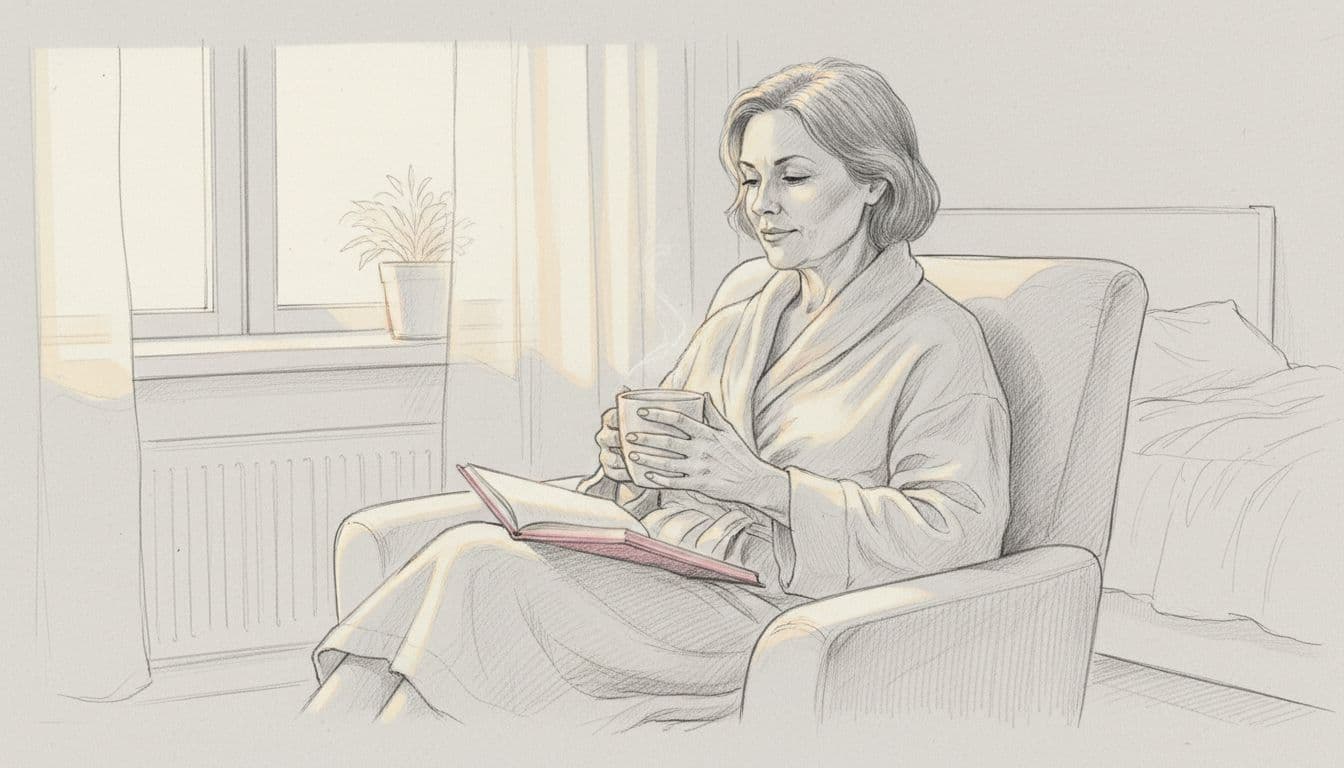
When I begin the day this way, eating feels less reactive. I remember I want energy, steadiness, and enjoyment, not just something quick to take the edge off.
How I Tell the Difference Between Real Hunger, Thirst, and Bored Eating
Before I eat, I try to pause for a few seconds. Not always, but often enough that it helps. I ask myself what I’m really feeling.
Physical hunger usually builds over time. My stomach feels empty. I may notice low energy or trouble focusing. Thirst can feel surprisingly similar, especially in the afternoon. Bored eating often shows up suddenly and usually wants something specific, crunchy, sweet, or salty.
I don’t need to be perfect at reading my cues, I just need to notice them more often.
That skill grows with practice. Some days I still eat because I’m stressed or restless. Then I notice it, learn from it, and keep moving.
Building a Plate That Feels Nourishing and Satisfying
When I want a simple guide, I start with vegetables and protein. That’s my base. Then I add what sounds good and what I think I’ll need, maybe fruit, pasta, rice, bread, or even a small treat.
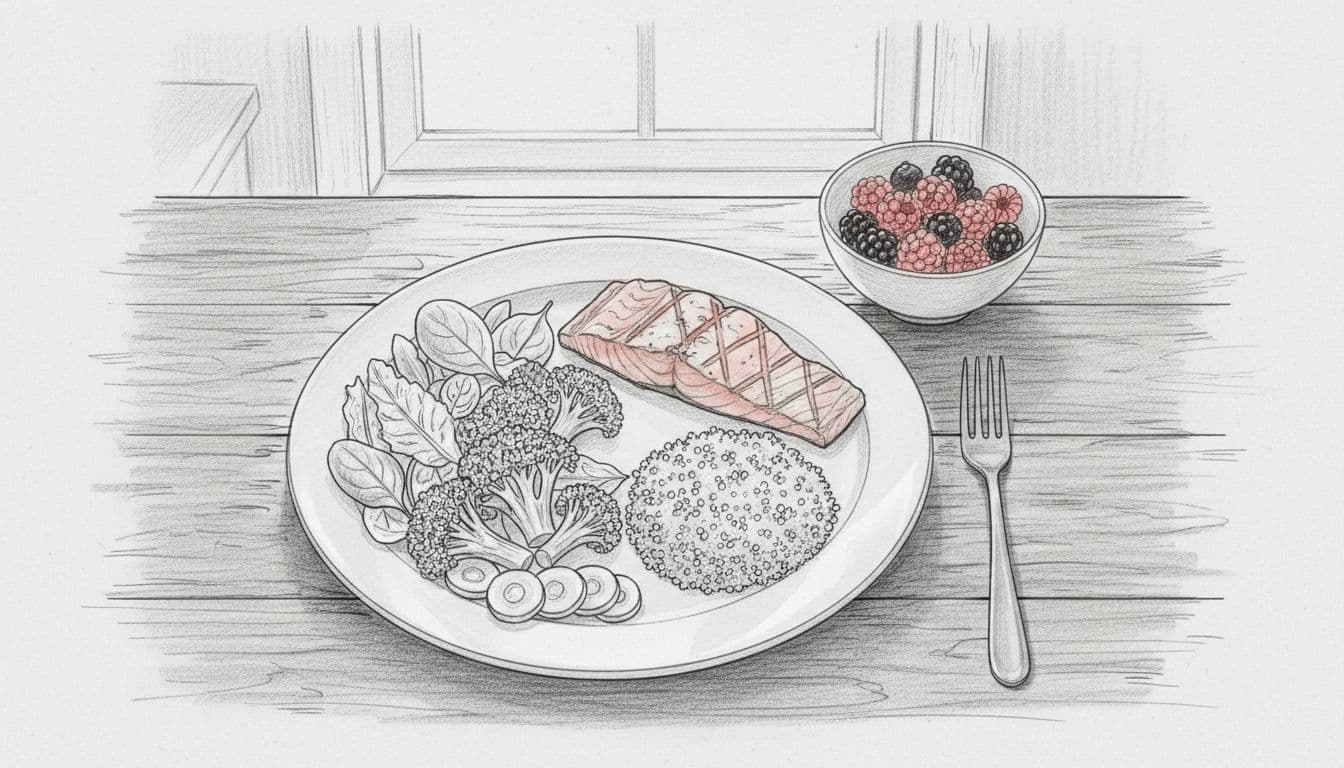
That balance helps me feel both nourished and satisfied. If I build a plate that’s too light, I end up circling back to the kitchen. If I include enough flavor, texture, and substance, I feel more settled.
I don’t label foods good or bad anymore. I just notice what helps me feel well. That’s a much kinder way to eat.
Eating Slowly Enough to Notice Fullness and Enjoy My Food
I don’t turn every meal into a silent meditation. Sometimes lunch is quick. Sometimes dinner happens between errands. Still, I can slow down a little.
I try to taste my food, put my fork down once or twice, and check in halfway through. Am I still hungry? Am I enjoying this? Am I getting full?
That pause helps me stop at comfortably full more often. Not stuffed, not deprived, just pleasantly done. And when a meal is rushed, I don’t make it mean anything. I simply come back to the practice next time.
What Mindful Eating After 50 Looks Like on Imperfect Days
Real life includes restaurant meals, birthday cake, stress snacking, and tired evenings when cereal counts as dinner. Mindful eating has to make room for that, or it won’t last.
How I Handle Treats, Restaurants, and Special Occasions Without Guilt
I let enjoyment belong at the table. If I’m out to dinner or celebrating, I choose what sounds good, eat it with attention, and enjoy it. That matters.
When I slow down and savor a favorite food, I usually feel satisfied with less. Then I move on. One meal doesn’t undo my health, and one dessert doesn’t call for a spiral.
Guilt only makes things heavier. Pleasure, on the other hand, can fit beautifully inside a mindful life.
What to Do When I Overeat or Ignore My Hunger Cues
It happens. I eat past full. I snack without thinking. I miss my hunger cues because I’m busy. When that happens, I reset gently.
First, I pause and notice what led to it. Maybe I waited too long to eat. Maybe I was tired. Maybe I needed water. Then I let the next meal be normal. I don’t skip it to make up for anything.
That gentle reset keeps one off moment from turning into a whole off week. Progress works better than punishment, every time.
Common Questions About Mindful Eating After 50
Can Mindful Eating After 50 Help With Weight Goals?
It can. For me, mindful eating helps reduce overeating, emotional snacking, and the chaos that comes from dieting hard and rebounding later. Weight changes may happen, but the bigger win is steadier habits.
Do I Need to Give Up Favorite Foods?
No, and I don’t. Mindful eating works better when I include foods I truly enjoy. Satisfaction is part of the point.
How Long Does It Take to Notice a Difference?
Usually, I notice small changes pretty fast. Within a couple of weeks, I often feel more aware, less rushed around food, and more in tune with fullness.
What If I Have Years of Diet Habits to Unlearn?
Then I start small. That’s what I do. I pick one habit, like pausing before meals or building a more balanced plate, and practice that first. Old patterns can soften over time.
Can This Work If I Cook for a Family?
Yes. I don’t make separate meals. I just build my plate with more awareness. If I need easy staples, I go back to these top 10 healthy eating foods and keep simple options on hand.
Mindful eating after 50 isn’t about getting food perfect. It’s about awareness, trust, and small choices that support the life I want to live. When I eat this way, I enjoy food more, feel better in my body, and recover faster from imperfect days. Start with one simple habit today, maybe a pause before lunch or a loose meal plan for the week, and let that be enough.