Why Collaboration Beats Competition for Women Over 50
If I am being honest, many women over 50 are tired of feeling like we have to compete for every good thing. We often feel pressure to fight for attention, opportunity, confidence, and joy.
I have seen that mindset in business, on social media, in friendships, and inside my own head. Embracing the philosophy of collaboration over competition for women can be a transformative step that changes how we navigate this stage of life.
What I have learned, and learned the hard way, is that working together usually takes me farther. It leads to better relationships, more meaningful conversations, and stronger results.
It also makes this season of life feel lighter. By choosing to support one another, we contribute to a broader sense of women’s empowerment that helps us all thrive after 50.
In this post, I share what true cooperation looks like, why constant comparison can wear us down, and how we can build stronger, healthier connections without losing ourselves in the process.
Key Takeaways From Collaboration Over Competition
- I do not have to treat another woman’s success as proof that I am failing.
- The right people solve problems with me rather than blaming or shaming me.
- Relationships often open more doors than pressure ever will.
- Asking, “How did you do that?” as part of a collaborative mindset gets me much farther than making assumptions from a distance.
- A simple daily practice of stillness, gratitude, and intention can change how I show up in every conversation.
Get Your Free Self Care Guide
30 DAYS OF SELF CARE IDEAS AND TRACKER
Sign up to become an insider so you stay up to date on all the happenings…and get a FREE Self Care Guide that has 30 days of ideas and a daily tracker so you can stay on track with your self care.
What Collaboration Over Competition for Women Looks Like in Real Life
Collaboration isn’t only for boardrooms, launches, or networking events. It shows up in regular life too. I see it when two women share ideas over coffee, when friends trade skills, when someone recommends another woman for an opportunity, or when a small group decides to support each other through a big life change.
I also saw the difference in a very concrete way in my career. Early on, I worked in a highly competitive consulting environment. It was an up-or-out culture. People worked long hours, traveled hard, and competed with each other all the time. If something went wrong, blame came fast. Sometimes people got yelled at, and sometimes people got pushed aside.
Later, I moved to a startup led by female founders, and the contrast was striking. We worked just as hard. We wanted strong results. But when a problem came up, the response was completely different.

We sat down, figured out what happened, talked through the fix, and then addressed it with the client as a team. Nobody got thrown under the bus. That kind of success ecosystem changes everything for women entrepreneurs.
What surprised me most was that my sales improved in the collaborative environment. That matters because it proved something to me. Collaboration isn’t soft. It isn’t naive. It can be a strategic business approach that is practical, effective, and results in significant business growth.
Simple Ways to Build Win-Win Relationships
At this stage of life, I don’t need forced networking. I need honest connection. For me, win-win relationships are a core part of building relationships that last. They usually start with a few simple things.
First, I listen better. Not performative listening, but real listening. When I pay attention to what someone cares about, I can see where our goals overlap.
Next, I offer something useful when it makes sense. Sometimes that is encouragement, an introduction to grow your referral networks, or a practical suggestion, a recommendation, or a shared resource. I don’t have to give everything away to be generous.
Then I stay present long enough for trust to build. A good relationship rarely appears all at once. It grows through small exchanges that feel steady and respectful.
This applies online too. If I want to connect with women I admire, a quick like isn’t enough. A thoughtful comment is better. Sharing their work with care is better. Asking a real question is better. That is how connection starts to feel human instead of transactional.
I have spoken before about how a personal brand can help you build a business and gain trust, because the same honest presence that grows real relationships is also what grows a real business.
How to Spot People Who Will Support Your Growth
I have gotten better at noticing who feels safe to grow around. Supportive people do not act threatened by my progress or compete with every idea I share.

They do not act warm in public and dismissive in private.
The people I trust most usually share a few qualities:
- They are honest, respectful, and generous with credit.
- They celebrate other people’s wins without making them about themselves.
- They focus on solving problems rather than finding someone to blame.
Red flags matter too.
If every interaction feels one-sided, I pay attention. If someone only shows up when they need something, I pay attention.
If they constantly gossip about other women, I pay attention. That kind of energy eventually lands on me too.
Healthy collaboration does not mean saying yes to everyone. It means choosing well.
Why Competition Can Hold Women Back in Midlife
Midlife is already full of change. Careers shift, kids grow up, bodies change, marriages evolve, and grief shows up. Identity starts moving around in ways I did not expect. That is not the time I need extra pressure from comparison.
And yet, many of us were trained to look sideways all the time. Who looks younger? Who has more money? Who built a business faster? Who seems more confident? Who got the opportunity I wanted? That habit can follow us for decades if we do not question it, especially when we are pursuing new professional goals.
The scarcity mindset is one of the biggest problems here. If I believe there is only one seat, one audience, one chance, or one version of success, of course another woman’s progress will feel threatening. But that story is not true.
Competition also distorts how I see people, turning life into a zero-sum game. Instead of being curious, I start making up reasons why someone else is doing well.
Maybe she had connections and money. Maybe she got lucky. Sometimes those things are part of the picture, but making assumptions does not help me. Asking better questions does.
When I stop treating women as rivals, I learn more and I relax more. I also become the kind of woman other people feel safe approaching.
“Collaboration beats competition every time.”
I still believe that, especially now.
How Comparison Steals Confidence
Comparison can make me feel behind even when I am making real progress. That is what makes it so sneaky.
I can be doing meaningful work and still convince myself it does not matter because someone else appears farther along in their professional goals.
Social media can make this worse if I am not careful. It is easy to watch polished moments and turn them into a story about my own shortcomings.
I have done that before, and many women have too.
What helps me is catching the thought before it settles in. If I notice myself thinking, “Why her and not me?” I replace it with something more useful.
- What do I admire here?
- What can I learn from this?
- Do I want that exact thing, or do I want the feeling I think it represents?
Those questions bring me back to myself. They also keep me from shrinking another woman just so I can feel better for a few minutes.
The Hidden Cost of Going It Alone
Doing everything alone can look strong from the outside. Sometimes it even feels familiar. But it gets expensive.
It costs energy and it costs joy. It can cost opportunities too, because people cannot support what they do not know I need. If I never ask, never share, and never let anyone in, I miss the kind of help that could make life easier.
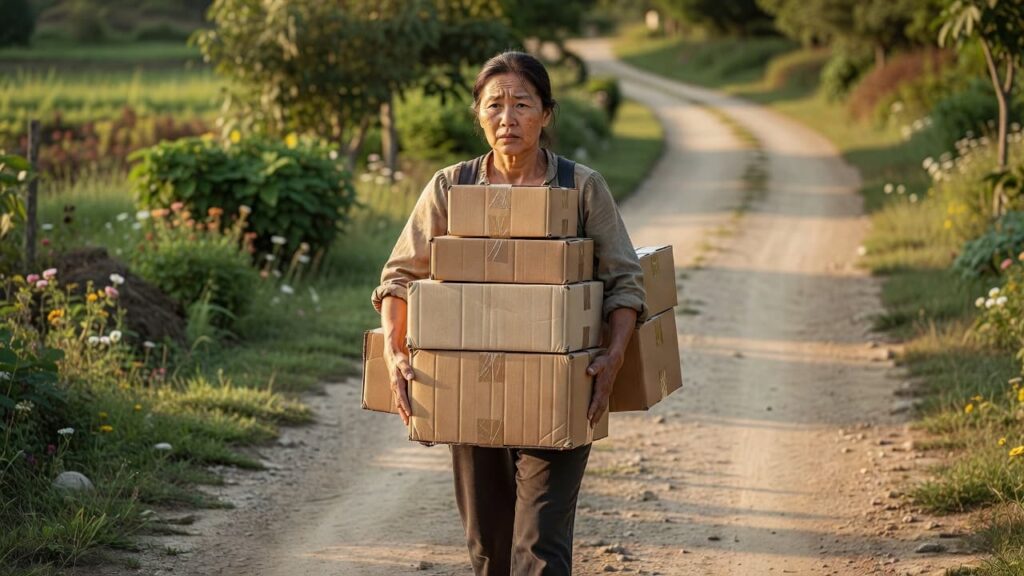
I have written before about building supportive connections after 50, because healing gets lighter when I stop carrying everything by myself. That does not mean I tell everyone my business. It means I let safe people into the real story.
Asking for help is not weakness; it is wisdom. Midlife has taught me that.
How to Choose Collaboration in Your Own Life
If collaboration sounds good in theory but fuzzy in practice, I get it. The shift usually starts small. I don’t need a giant group project or a new business partner by next Tuesday. I just need one place where connection would help more than competition.
That might be work. It might be a creative project. It might be volunteering, caregiving, friendship, or the way I use social media. The point is to practice in real life, not just agree with the idea.
Actionable Strategies for Collaboration Over Competition for Women
A shared goal makes collaboration easier because it gives the relationship direction. Without that, people can stay vague for a long time.
I like to keep this simple:
- Choose one area where support would help right now.
- Find one person or small group with a similar goal or complementary strength.
- Decide on one next step that is clear and realistic.
That could look like:
- Co-hosting an event.
- Reviewing each other’s writing.
- Sharing knowledge to solve a complex problem.
- Checking in once a week.
- Introducing each other to valuable contacts.
- Joining forces on a client project.
It does not have to be dramatic to be meaningful.
One of my favorite business examples came from a large client proposal. Instead of keeping sales and consulting in separate lanes, I brought both sides together.
We met with the client together, built the proposal together, and presented it together.
That deal became one of my biggest wins, and it happened because collaboration made the work stronger.
Speak Up About What You Need and Offer What You Can
Good collaboration needs honesty. If I need feedback, I say that. If I need an introduction, I ask clearly. If I have limited time, I say that too.
This is where boundaries matter. Collaboration is not the same thing as overgiving. If one person keeps doing the emotional labor, the practical work, and the follow-up while the other person just benefits, that is not a healthy partnership.
I also try to be clear about what I can offer. Maybe I have experience. Maybe I know the right person. Maybe I can encourage someone who feels stuck. I don’t have to promise more than I can actually give.
Clear communication protects good relationships. It keeps resentment from building, and it makes room for trust.
Celebrate Other Women Without Shrinking Yourself
This one matters a lot. I can clap for another woman and still want good things for myself. Those two things can exist together.
When I see a woman doing something I admire, I try not to move into silent criticism or excuse-making. Instead, I ask better questions. How did she build that? What step did she take first? What can I learn from the way she showed up?
On social media, I think it helps to stay focused. Rather than following everyone and reacting to everything, I prefer to pay attention to a smaller group of women whose work I truly respect. By focusing on authentic connection rather than superficial metrics, I find better networking opportunities. I leave thoughtful comments, share what they have created, and tag them when it is appropriate. I celebrate them like I mean it.
That kind of support does not erase me. It strengthens the supportive community I want to live in.
Stories, Mindset Shifts, and Lessons Women Can Use Today
A lot of what I teach about collaboration is tied to a much bigger truth. Life can bring me to my knees, and still, that is not the end of the story.
There was a season when grief, tragedy, and challenge piled up so heavily that I felt flat on the floor emotionally. In that moment, I heard something inside me that changed the direction of my life.
“You will get up off the floor. You will recover to be able to take care of your children, and you will someday have joy in your life again.”
That message stayed with me. It became part of the reason I started the work I now do through Flourishing Over 50, supporting women entrepreneurs as they navigate this transformative season.
I have shared more about the story behind founding Flourishing Over 50 for anyone curious about how this community came to be. It also shaped what I think of as the Flourish Journey, a gentle path back to myself after pain, burnout, or disconnection.
If I am in the middle of reinventing myself at 50, collaboration matters because I do not have to figure everything out alone. I can ask questions and look to business mentors who are a few steps ahead to help guide my professional path.
I can also bring my own wisdom to the table, because by this age, I have plenty to share. Embracing this communal approach has been vital for my own business growth, as it allows me to learn from others while staying true to my own values.
One practice that has helped me in both business and life is what I call the Joy Triangle. It takes about three minutes. I pause for stillness, so I can settle myself. I move into gratitude, so I remember this moment is an opportunity, not just a test.
Then I choose an intention. Maybe I want to build trust, to stay calm, or to listen better.
That small reset changes how I walk into a sales call, a hard conversation, or even a regular day. What worked for me may not look exactly the same for you, and that is okay. The point is to find a simple practice that helps you show up with more peace and less fear.
Resources Mentioned
If you want to keep exploring these ideas, I have gathered a collection of business resources and tools that came up during the conversation and in my professional work:
- Flourishing Over 50: This is my personal platform and supportive community for women who are looking for more joy, clarity, and connection during midlife.
- The Joy Triangle: A simple three minute daily practice centered on stillness, gratitude, and intention.
- A Cup of Resilience: One of the anthologies I was recently published in, which offers powerful stories of overcoming challenges.
- Nice Girls Finish First: A She Rises anthology that features my chapter on why collaboration beats competition.
- She Rises Studios: The podcast platform that hosted our initial conversation on shifting from competition to connection.
- LinkedIn and @flourishingover50: Follow these channels where I regularly connect with and support other women who are navigating this stage of life.
FAQs About Collaboration Over Competition for Women
Below are questions you might ask for.
How Do I Collaborate Without Being Taken Advantage Of?
I stay clear about expectations, time, and boundaries from the beginning. If the relationship continues to feel one-sided, I address it directly rather than ignoring it. Healthy collaboration is always built on a foundation of mutual respect and clear communication.
What If I’ve Spent Years Comparing Myself to Other Women?
I start small and stay gentle with myself. When I notice the comparison, I acknowledge it and shift into curiosity. Asking myself what I can learn from her is often enough to break the old pattern and cultivate a more supportive, collaborative mindset.
By focusing on shared growth instead of rivalry, I find it much easier to let go of the need to measure myself against others.
Is Collaboration Only Helpful in Business?
Not at all. I have seen it transform friendships, caregiving, creative work, volunteering, healing, and personal growth. Any area of life becomes more fulfilling when trust, honesty, and shared support are present.
How Do I Find the Right Women to Connect With?
I look for women whose values feel steady and authentic. Then, I engage with them consistently rather than aggressively. A thoughtful comment, a helpful resource, or one honest message can easily open the door to a meaningful, long-term connection.
What If Asking for Help Feels Awkward?
It can feel awkward at first, especially if I am used to handling everything on my own. However, feeling awkward is not the same as doing something wrong. Often, the right people are actually glad I asked, as it gives them an opportunity to contribute and deepen our connection.
What I Want to Carry Into This Next Chapter
If there is one thing I want to remember, it is this: I do not need to build my life by competing with every woman around me. Instead, I can build it by connecting, learning, sharing, and allowing myself to be supported. Embracing the power of collaboration over competition for women is the cornerstone of this mindset.
Collaboration does not ask me to disappear. It asks me to come to the table honestly, bringing my years of experience, my thoughtful questions, my unique strengths, and my limits.
If I want a practical next step, I will keep it very simple. I will reach out to one woman I respect, encourage one woman whose work I admire, and ask one honest question. Most importantly, I will walk into each new conversation with stillness, gratitude, and intention.
This season of life can hold more joy than I ever believed possible. Sometimes, a vibrant new chapter begins the moment I stop competing and start connecting.