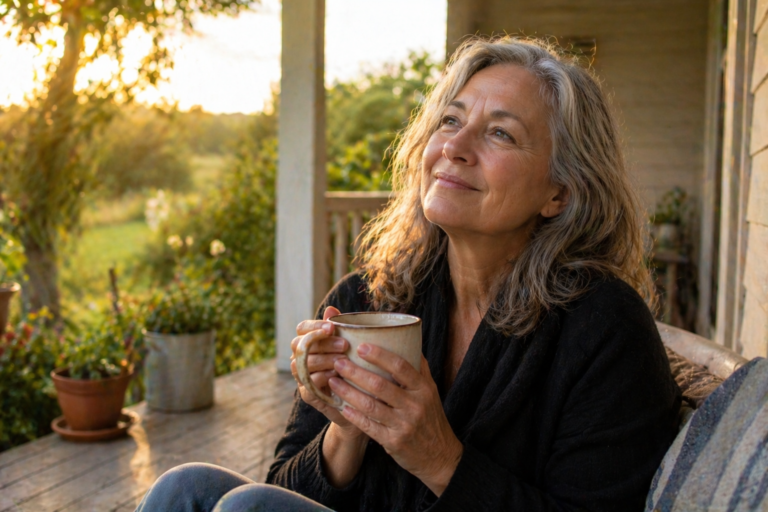
Making Friends After 50: How I Make New Friends in Midlife
Making friends after 50 can feel harder than it did in earlier decades, and loneliness in midlife has a way of sneaking up quietly. One season you’re busy, connected, and woven into daily life, and the next you realize your old circle has thinned out.
That shift is a natural part of life after 50. It happens after empty nesting, divorce, retirement, relocation, loss, or simple drift. It doesn’t mean you’ve failed at friendship. It usually means life has changed, and making new friends after 50 means being more intentional about connection than you may have ever had to be before.
Key Takeaways
- Friendship after 50 often changes because my routines, roles, and priorities change.
- Adult friendships require a different approach than those formed in our 20s.
- New friends rarely appear by luck alone. I usually need repeated contact and small effort.
- Shared activities make conversation easier and friendship more natural.
- A few steady, honest friendships matter more than a long list of casual contacts.
The good news is simple, meaningful connection is still possible, and I can build it from where I am now.
Get Your Free Self Care Guide
30 DAYS OF SELF CARE IDEAS AND TRACKER
Sign up to become an insider so you stay up to date on all the happenings…and get a FREE Self Care Guide that has 30 days of ideas and a daily tracker so you can stay on track with your self care.
What Changes Friendships in Midlife
Mid-life often clears the room a little, as our social network naturally evolves over time. The women I saw every week may still care about me, but our lives no longer overlap the same way.
In younger years, friendship often grows through proximity. We meet at school pickup, at work, at church, at soccer games, and in neighborhoods where life runs on the same clock. After 50, that built-in rhythm often fades. What replaces it is something quieter and, in some ways, better, friendship built on shared values, real interest, and choice.
When Kids Grow Up, Old Social Circles Often Change
Many of my earlier friendships formed around parenting. We talked on sidelines, traded rides, sat through recitals, and built connection because our children needed us in the same places.
Then the kids grew up. Suddenly, the calendar changed, and so did the contact. I’ve felt relief, sadness, and surprise all at once. That mix is normal. The loss is real, even when I’m proud of the life my children are building.
Divorce, Relocation, Retirement, and Loss Can Shrink My World Fast
Some changes hit all at once. Divorce can split couple friendships down the middle. Retirement can remove daily contact with former work colleagues in a single week. Even a local move can cut me off from easy, casual connection, the woman I chatted with in the grocery line, the neighbor I waved to, the class I attended without thinking.
Grief changes friendship too. Sometimes I lose people to illness or death, and that leaves a quiet hole that no schedule can fill.
These life shifts can lead to social isolation if one isn’t careful.
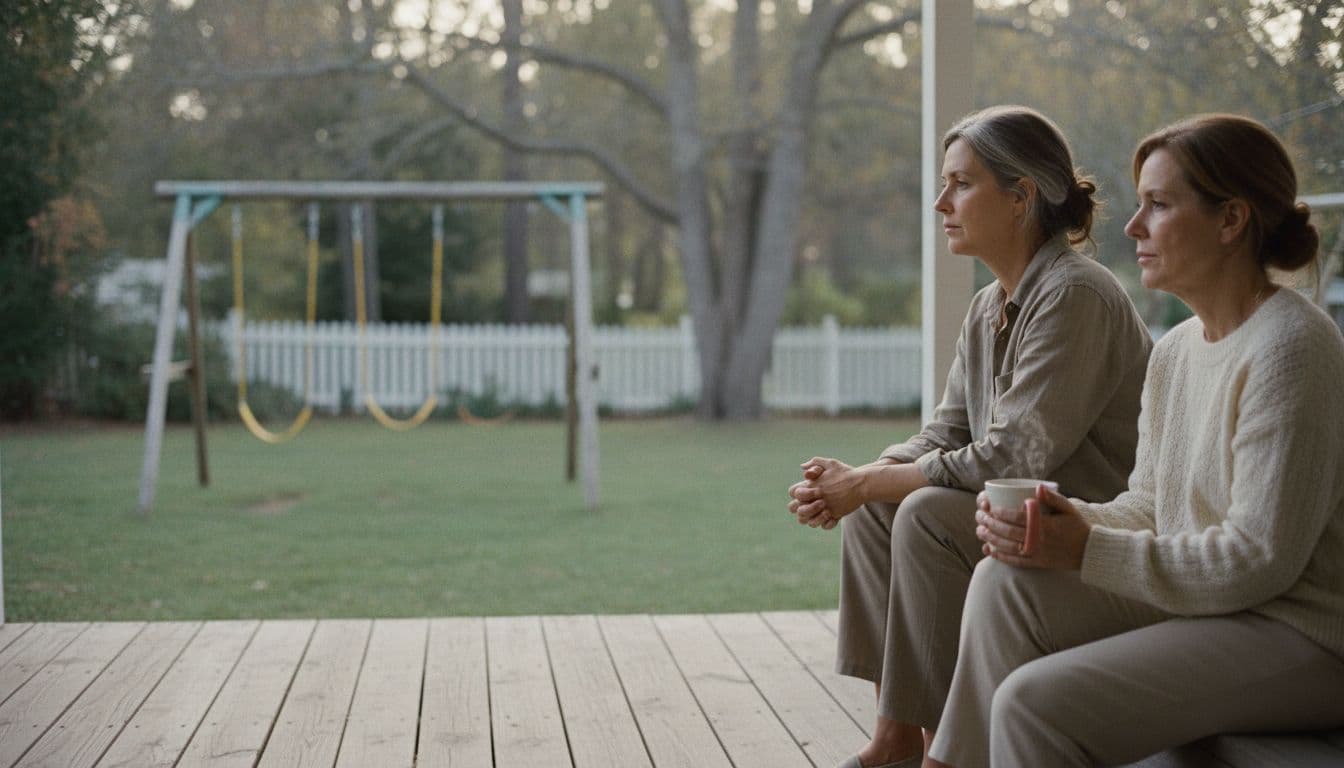
Sometimes We Simply Drift, or We Start Wanting Something Deeper
Not every friendship ends with drama. Often, we simply drift. One person gets busy, another pulls inward, and the thread goes loose.
I’ve also noticed that midlife makes me less interested in surface talk, presenting the challenge of maintaining adult friendships when routines diverge. I want new friends who are steady, warm, honest, and easy to be real with. That hunger for depth is part of growing older. Some of my favorite reflections on navigating relationship shifts after 50 have reminded me that changing friendships are part of changing life.
How to Start Making New Friends After 50, One Small Step at a Time
Finding new friends after 50 is a process of small steps. It’s not about becoming more charming overnight. It’s about putting myself where connection can happen again and again.
I don’t need a big social makeover. I need one next step.
Go Where Like-Minded People Already Gather
Shared activity gives me something to do with my hands and something to talk about. That matters. It’s much easier than trying to invent instant closeness from thin air. That’s where the mere exposure effect comes in. We grow fond of people through repeated contact in these settings.
I’ve had the best luck in places like walking groups, biking clubs, gardening groups, knitting circles, theater groups, craft meetups, taking a class, volunteer roles, book clubs, neighborhood groups, and travel groups. Returning to an old interest can work just as well as trying something new. If I loved painting at 30, I’m allowed to love it again at 57.
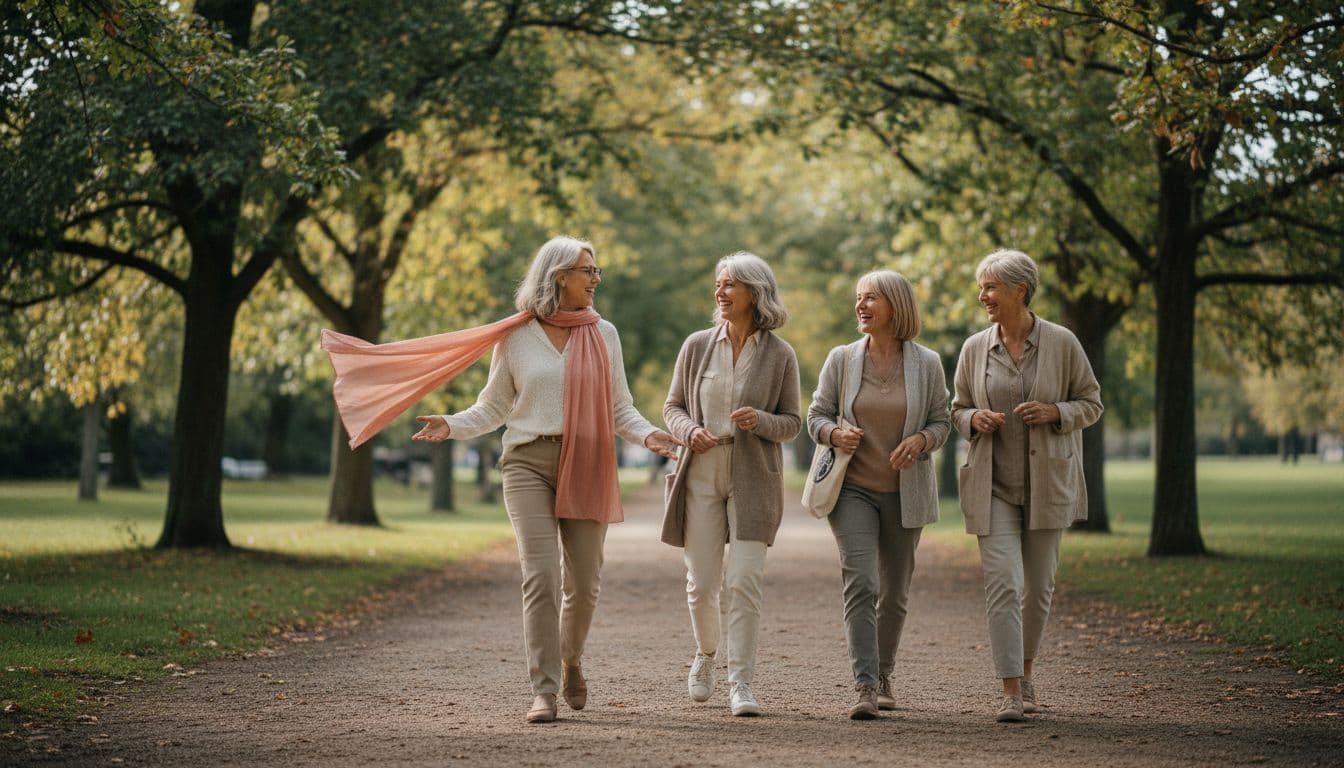
Use Local Events and Online Communities to Find Your People
I don’t ignore simple options anymore. Trivia nights, bingo, library talks, community dinners, Meetup groups, Facebook events, social media, friendship apps designed for women over 50, and online communities with in-person gatherings can all open a door. Or get a dog to facilitate casual encounters in the neighborhood.
Many women go alone the first time. I have, too. Usually, the room feels kinder than I feared. When I need that reminder, I come back to honest conversations about community for midlife women, because so many of us are carrying the same quiet hope.
Reconnect With Someone I Already Miss
Sometimes the next friend isn’t new at all. Reconnect with old friends I already know and still think about. Or suggest joining a group together for a shared activity.
A simple message can do a lot. I might text, “I was thinking about you today and would love to catch up,” or, “It’s been too long, want to grab coffee next week?” I’ve learned not to assume the silence meant rejection. Often, it meant life.
Create the Gathering I Wish Existed
This has become one of my favorite moves. If I want a low-key book club, I can start one. If I want a monthly coffee chat, I can invite three women. If I want a weekly walk, I can suggest Tuesday mornings and see who comes.
Friendship after 50 grows through repeated contact, not perfect first meetings.
Taking initiative doesn’t make me pushy. It makes me clear.
How to Turn New Connections Into Real Friendships
Meeting people is only the first step. Developing new friends requires intentional effort in the follow-up.
That part matters because a good conversation can disappear fast if no one makes the second move.
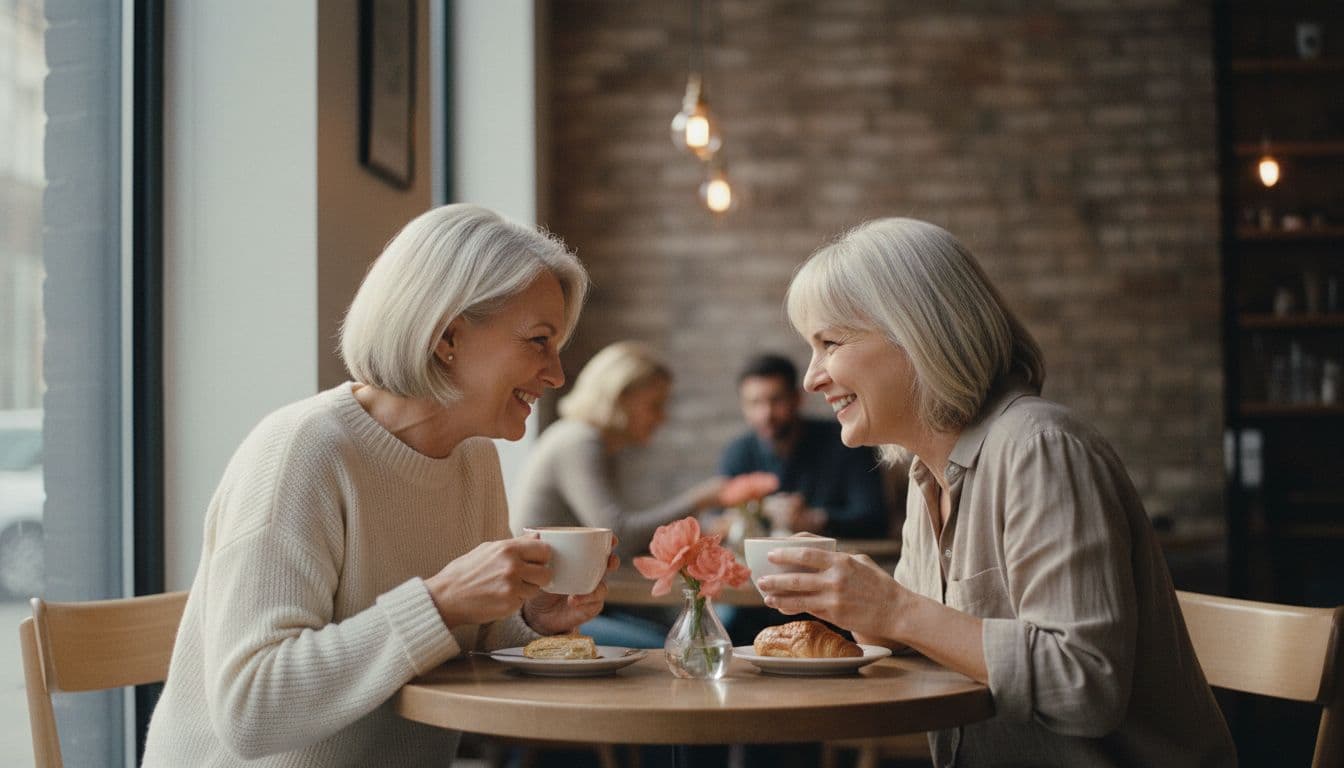
Follow Up Quickly and Keep It Simple
If I enjoy talking with someone, I try to act on it soon with face-to-face socializing. Face-to-face socializing is more effective for building bonds than digital-only contact. I don’t wait for the perfect plan. I suggest coffee, a short walk, or meeting again at the same weekly event.
Simple works because it lowers pressure. A one-hour coffee date feels possible, even in a full life.
Let Friendship Build Slowly, but Be Open and Genuine
Real closeness takes time. It grows through repeated contact, building intimacy through shared vulnerability, a little trust, and small moments of honesty.
So I share a little more. I listen well. I notice whether the energy feels mutual and safe. Not every nice woman will become a close friend, and that’s okay. Some connections stay light, and some deepen.
Choose Quality Over Quantity in This Season of Life
At this age, I’m not trying to collect acquaintances. I want meaningful friendships that feel steady, reciprocal, fun, and truthful. These meaningful friendships boost my mental health and physical health through vital social interaction.
That’s why I think of friendship as part of my social self-care in midlife. The right people don’t drain me dry. They bring warmth, laughter, perspective, and support to the life I’m living now.
What to Do If I Feel Awkward, Rejected, or Lonely Along the Way
This part matters because emotional hurdles like the fear of rejection and loneliness stop many of us before we start. It’s normal to feel lonely right now; it just means it’s time to keep trying.
I remind myself that discomfort is part of the process, not proof I should give up.
Feeling Nervous Does Not Mean I’m Doing It Wrong
Awkwardness is normal, especially after years of settled routines. For older adults, being vulnerable is a necessary but difficult part of the process. If I feel rusty, that makes sense. I’m learning a new rhythm.
So I expect a little discomfort and keep going anyway. A shaky first outing still counts.
Not Every Invitation Will Turn Into a Friendship, and That Is Normal
Some texts won’t get answered. Some coffee dates won’t click. Some women already have full lives and little room. Even if a meeting results only in small talk and not a deep bond, it is still a success.
I try not to make one lukewarm response mean too much. It says very little about my worth. It only means I need a wider net and a softer grip.
Small, Steady Effort Can Change My Social Life
One message can restart a bond. One class can lead to three familiar faces. One coffee can become a monthly habit.
That’s why I think in terms of momentum, not instant results. Even happiness after 50 often grows this way, through small acts of connection, care, and hope.
Common Questions About Making Friends in Midlife
Is It Normal to Lose Friends After 50?
Yes, it is. Life shifts, grief, distance, health, caregiving, and retirement can all thin a circle. Loss doesn’t mean I’m unlikeable.
How Do I Make Friends if I’m Shy?
I do better in activity-based spaces. A volunteer role is a low-pressure way to start, and a class or walking group gives me a shared focus, which makes talking easier.
Where Can Women Over 50 Meet New People?
I look at community classes, libraries, church groups, walking clubs, volunteer work, travel groups, trivia nights, and online groups that meet in person. I also check social media for local event listings.
How Long Does It Take to Build a Real Friendship?
Usually longer than I want. Real friendship grows through repeated contact and follow-through, not one great conversation.
What if I Feel Lonely Even When I’m Busy?
Busy and connected aren’t the same thing. If I’m surrounded by tasks but not known, loneliness can still sit beside me.
Friendship in midlife may not look like it did at 30, but it can still be rich, healing, funny, and deeply satisfying. In some ways, it can be better, because I know myself more clearly now. Expanding one’s social network especially benefits older adults with these vital connections.
I trust small beginnings more than I used to. A joined group, a text to an old friend, or a simple coffee invitation can change the shape of my week, and sometimes the shape of my life.
This week, I’d start with one small move to make new friends and let making friends after 50 grow from there.