How to Feel Less Invisible as You Get Older
Have you ever walked into a room and felt like people looked right past you? Not because you had nothing to say, but because you are grappling with the sensation of feeling unseen by a room that has already decided you were no longer worth noticing.
I think many of us feel this way as we get older, even when we are surrounded by family, friends, co-workers, or people we love. Feeling invisible can hurt. It can make us second-guess ourselves, shrink our opinions, and wonder if our best years are behind us.
They are not. We don’t have to fight for attention to matter, but we do need to stop stepping away from our own lives.
Key Takeaways
- Feeling overlooked in midlife is painful, but it does not mean you have lost your self-worth or value.
- I find that feeling seen becomes easier when I express my opinions, interests, and needs without apologizing.
- New friendships, hobbies, and community spaces can remind us that we still belong.
- Taking care of my appearance and health is about feeling like myself, not looking younger.
- Small, repeated choices help me build a life where I can see myself clearly again.
Notice Where You’ve Started Making Yourself Smaller
Sometimes invisibility doesn’t begin with other people. Sometimes it begins when I stop taking up space.
Maybe I don’t speak up in a family conversation because someone will probably interrupt me anyway. For many, this habit of shrinking started long ago as a people-pleaser defense mechanism. Maybe I say “whatever you want” when I’m asked where I’d like to eat. Maybe I wear the same clothes every day because I no longer believe it’s worth making an effort.
Those little choices can add up.
I’m not saying we need to become loud, demanding, or performative. That isn’t the point. I believe we need to ask ourselves a more honest question: Where have I learned to disappear?
For many women over 50, we’ve spent years caring for everybody else. We raised children, held families together, worked, worried, cooked, organized, and remembered what everyone needed. Sometimes these patterns are rooted in past experiences of childhood neglect or emotional neglect, where we learned that our needs weren’t the priority. Then one day, the children are grown, work changes, a relationship shifts, or retirement arrives. The role that kept us busy may be gone, and we can feel unsure about who we are without it.
That kind of change can leave a big empty space.
You don’t have to earn your self-worth or the right to be seen by being useful to everyone else.
Start paying attention to your own patterns for one week. Notice when you hold back a thought, dismiss a compliment, or say no to an invitation because you assume nobody would miss you. Don’t judge yourself. Just notice it.
Awareness gives me a place to begin. I can’t change a habit I refuse to see, and recognizing these triggers is the first step toward overcoming the cycle of feeling invisible.
Let Your Voice Be Heard Again
I have found that feeling more visible often starts with using my voice in ordinary moments. Not a dramatic speech. Not an argument. Just one honest sentence. This practice helps overcome the chronic state of feeling unheard in your own home or community.
If someone asks what I think, I try not to rush into saying, “Oh, I don’t know.” I give them an answer. If I disagree, I can say so kindly. If I want something different, I can name it.
This can feel uncomfortable at first, especially if you have been the peacekeeper for most of your life. But being agreeable all the time can make us strangers to ourselves.
Try small, clear phrases like these:
- “I’d prefer to go there instead.”
- “I have a different thought about that.”
- “That doesn’t work for me.”
- “I’d love to come, but I need to leave by eight.”
- “I miss spending time with you. Can we put something on the calendar?”
Seeking internal validation rather than waiting for others to give it to you is a powerful way to rebuild your self-confidence. Those words aren’t selfish. They are honest.
I also think it helps to stop apologizing for normal needs. We don’t need to say sorry because we need a seat closer to the front, want a quiet restaurant, can’t babysit on Saturday, or have an opinion about the family vacation.
A woman who knows her needs isn’t difficult. She is present.
If you have spent years trying to avoid disappointment, your voice may feel rusty. That is okay. Use it anyway. The more I say what I mean, the more I remember that I have something worth saying.
Reconnect With What Makes You Feel Like You
There is a difference between being noticed and feeling alive. You can have people compliment you all day and still feel disconnected from yourself.
When I feel invisible, I try to come back to the parts of me that existed before roles defined my sense of self. What did I enjoy before life got so full? What made me lose track of time? What did I always wish I had tried?
Sometimes the answer is simple. Maybe you loved singing in the car, visiting museums, gardening, writing, dancing, sewing, hiking, or learning about a topic nobody else in your family cared about.
Go back there.
You don’t need to turn every interest into a business, a side hustle, or a polished social media account. You are allowed to enjoy something because it gives you joy. That’s enough.
I like to think of midlife as a chance to write a new chapter with more honesty. The old story may have been full of responsibilities and expectations. This is a season of personal growth where curiosity is more important than productivity. This part can include rest, creativity, friendships, travel, faith, laughter, and whatever makes your heart feel awake.
If you aren’t sure what you love now, look back at childhood. Before people told you what was practical or appropriate, what did you naturally gravitate toward? Start there, then give yourself permission to try something small.
A pottery class. A walking group. Watercolor paint from the craft store. A library card you actually use. A day trip to a nearby town.
You don’t need a five-year plan. Treat yourself with self-compassion as you give yourself permission to try something small. You need one small reminder that you are still here.
Build Relationships That Make Room for the Real You
Loneliness can make feeling invisible even heavier. You may have people around you and still feel like nobody truly knows you.
That is why I believe we need relationships where we can show up as ourselves, not only as the person who listens, helps, and keeps everyone comfortable. We need friends who ask how we are doing and wait for the real answer.
If your social circles have changed, don’t take it as proof that human connection is over. Adult friendships take more intention, but they can become some of the most meaningful relationships of our lives.
Start where there is a shared interest to make the process of making friends feel more natural. These spaces are where you can cultivate healthy relationships that support the new you. Join a book club through your local library. Take a fitness class at the YMCA. Volunteer at an animal shelter, food pantry, hospital, or community garden. Attend a church group, neighborhood gathering, or women-centered class.
The first visit may feel awkward. I know. Walking into a room where everyone seems to know each other can make me want to turn around and go home.
Go anyway.
You don’t have to become best friends with everyone. You only need one good conversation. Ask a simple question. Compliment someone’s earrings. Tell them you’re new. Most people remember what it felt like to walk into a room alone.
Connection grows through repeated contact. Show up again next week.
Care for Your Appearance Without Chasing Youth
I don’t believe looking younger is the goal. We are not supposed to look 30 forever, and chasing that can become exhausting.
But I do believe there is something powerful about looking in the mirror and recognizing yourself.
Maybe that means getting a haircut you love, wearing lipstick again, buying jeans that fit your body today, or replacing the reading glasses you’ve been putting off. It might mean tossing the clothes that make you feel drab and choosing a soft sweater, a bright scarf, or earrings that make you smile.
This isn’t about proving anything to anyone; it’s about boosting your self-esteem and confirming your self-worth by saying, “I matter enough to care for myself.”
The same is true with sleep, movement, nourishing meals, and time outside. I don’t do those things to become a different person. I do them because I want enough energy to participate in my own life.
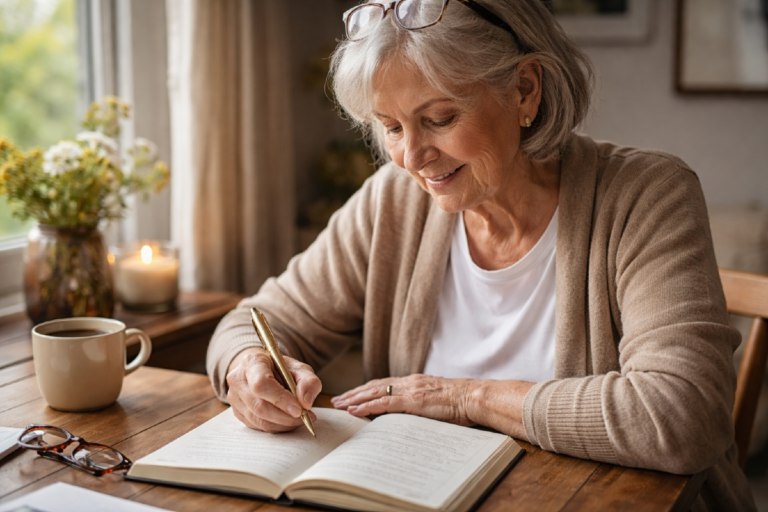
Even a small ritual can shift your day. Make your coffee in a favorite mug. Put on music while you get dressed. Take a ten-minute walk without your phone. These are little ways of returning to yourself.
Put Yourself Where Life Is Happening
When I feel dismissed or unseen, my first instinct can be to pull back. When I feel dismissed, the resulting emotional pain often makes me want to isolate. I cancel plans, stay home, and tell myself that nobody needs me anyway.
But isolation usually makes the feeling worse.
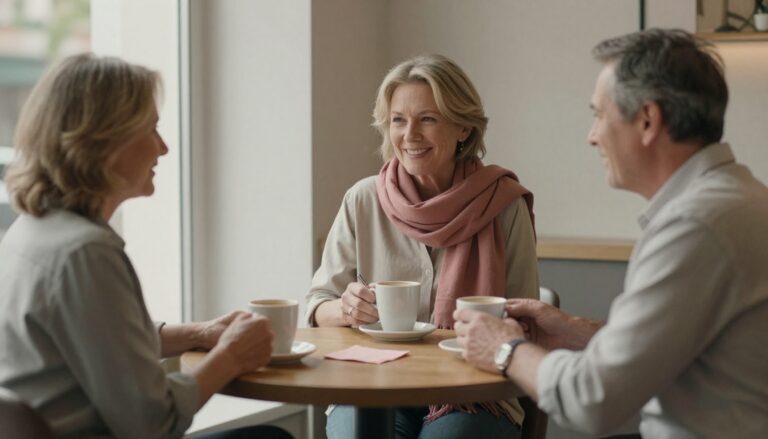
I feel more visible when I put myself in places that remind me I am part of the world. Putting yourself out there again can trigger some social anxiety, but these interactions are essential coping strategies for modern life. Think of it as gently dusting off your social skills in low-pressure environments, such as sitting at a local coffee shop with a book, talking to the cashier at the grocery store, attending a grandchild’s game, or taking a class at the community center.
I also try to be the person who reaches out. Send the text. Invite someone for lunch. Ask a neighbor to take a walk. Call the friend you have been meaning to call.
You may not always get the response you hope for. That can sting. But one unanswered invitation does not mean you should stop reaching.
Your life is not a waiting room. You do not need permission to participate.
Final Thoughts
Getting older does not make us less interesting, less capable, or less worthy of love. It can make us more honest about what we want, what we no longer accept, and who we want beside us.
When I stop hiding my preferences and return to what I enjoy, I start feeling seen by the most important person, myself. By continuing to show up, I am reminded that my presence matters.
You can create a new story for your life, and you do not have to disappear to keep everyone else comfortable.
Questions About Feeling Invisible After 50
Why Do I Feel Invisible as I Get Older?
Many women feel overlooked after changes in work, parenting, relationships, health, or appearance. Ageist messages can add to that pain. Sometimes we also become less likely to speak up after years of putting other people first. Sometimes our social invisibility is compounded by being in environments affected by narcissism or a lack of empathy from those around us.
Feeling this way doesn’t mean there is something wrong with you. It may mean you need more connection, more self-expression, or a new sense of purpose.
How Can I Feel More Confident Around Younger People?
I remind myself that I don’t need to compete with younger people. I have lived through things that gave me perspective, compassion, strength, and stories worth sharing.
Confidence grows when I stop comparing and start participating. If your voice feels rusty, acknowledge if past childhood trauma taught you that speaking up was unsafe; today, you have the power to change that narrative. Wear what makes you feel good, speak when you have something to say, and let yourself be curious instead of self-conscious.
What if My Family Doesn’t Notice Me?
Start by telling them what you need in a direct, loving way. You might say, “I’d like more one-on-one time with you,” or “It hurts when I get interrupted.”
If they don’t respond the way you hope, build support outside the family too. Friends, groups, neighbors, and new experiences can bring warmth and belonging back into your life.