Resilience Through Menopause Starts With Day One
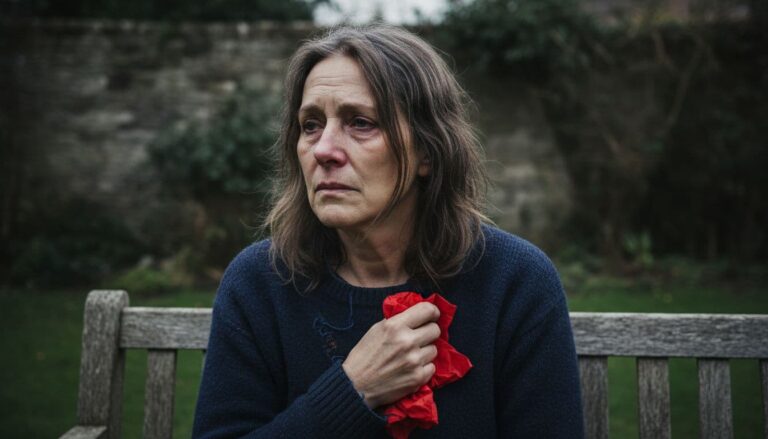
When perimenopause and the broader menopause transition begin to change my body, sleep, and emotions, it can feel like the ground is shifting without warning. These phases often bring heat, fatigue, sadness, and a strange sense that I do not fully recognize myself.
For me, resilience through menopause means the ability to adapt, recover, and grow even when symptoms and life changes feel overwhelming. It is not about avoiding challenges but learning how to move through them with greater strength and confidence.
I have learned that this stage can also open a new chapter. Even when this time of life overlaps with grief, job stress, or health challenges, small daily practices can help me feel steadier and more hopeful. That is where I begin.
Key Takeaways for Building Resilience Beyond Menopause
Menopause can feel heavy, but I don’t have to treat it like the end of my story. A few simple shifts can change how I move through this season.
- Menopause often brings more than just menopausal symptoms. It can stir grief, uncertainty, and questions about identity that may have started back in perimenopause.
- A short daily practice can calm my mind. I use three minutes of stillness, gratitude, and intention to reset.
- Mindset matters because the way I frame my journey, paired with genuine self-compassion, shapes what I believe is possible next.
- Small action beats waiting for the perfect moment. Day one starts with one step, not a full life overhaul.
- My path won’t look exactly like anyone else’s. What helps me most is steady, kind repetition.
For me, the biggest turning point comes when I stop asking when life will feel normal again and start asking what kind of quality of life I want to build now.
Get Your Free Self Care Guide
30 DAYS OF SELF CARE IDEAS AND TRACKER
Sign up to become an insider so you stay up to date on all the happenings…and get a FREE Self Care Guide that has 30 days of ideas and a daily tracker so you can stay on track with your self care.
Why Menopausal Symptoms Can Feel Like Loss and Grief for Midlife Women
Menopause is often talked about as a list of symptoms, but that is only part of the story. It touches the body, the mind, and the way I see myself in midlife.
Physical experiences like hot flashes, mood swings, <a href=”https://flourishingoverfifty.com/menopause-sleep-problems/”>sleep disturbance</a>, and brain fog, all driven by natural hormonal changes, can make daily life feel significantly harder. The Office on Women’s Health guide to menopause symptoms and relief explains how broad that symptom picture can be, and that matters because it helps me remember I am not imagining it.
At the same time, menopause rarely shows up all by itself. It often lands during years when work changes, family needs shift, and health concerns feel more real than they used to.
The Emotional Side of Midlife Transitions
Part of what makes this phase so emotional is that it can feel like loss on several levels at once. I may grieve changes in my body, changes in energy, or the passing of a season I was not ready to leave.
Some women also feel the weight of aging, shifting roles, empty nesting, or the onset of depressive symptoms as they struggle to adapt to a life that is asking different things from them now.
That emotional layer matters. If I ignore it, I end up treating menopause like a problem to fix instead of a life change to honor.

When I make room for the feelings, I usually find more clarity underneath them.
I have also seen how many women in midlife are carrying far more than anyone can see from the outside. That is why honest support for women in midlife transition matters so much.
Sometimes the hardest part is not one symptom, but the cumulative pileup of responsibilities.
How the Stress Response and Unexpected Challenges Intensify Menopause
My own menopause transition did not happen in a neat, straight line. It started with early signs that made me pause and wonder what was happening. Then midlife job loss hit, which brought its own fear. Losing a job later in life can shake confidence, even when I know my experience and skills still matter.
I remember sitting in an interview across from a much younger man when intense hot flashes rolled over me. I was trying to stay present and answer well, but all I could feel was the heat and the sweat starting to show. In that moment, the perceived stress of the interview combined with my physical symptoms made me wonder what he thought was happening to me.
Later, breast cancer changed the picture again. Surgery and treatment were a major life disruption, and hormone suppression pushed me into a sharper drop in hormone levels. That made my experience much more sudden.
This is why I never assume there is one normal way through this phase. Stress, grief, health changes, and caregiving pressure can all stack on top of it, and learning about midlife burnout recovery can help untangle that load one step at a time. I have shared more about my journey to resilience and the community that grew out of it elsewhere, because the women walking this path together often carry each other forward in ways no single practice can.
How I Use the Joy Triangle to Quiet My Mind
When my thoughts get loud, I need a simple practice that supports my psychological well-being and helps me manage perceived stress. I call it the Joy Triangle, and I love it because it takes only three minutes.
That small size is part of the magic. I do not need a perfect schedule, a silent house, or a deep wellness routine to begin.
One Minute of Stillness, Gratitude, and Intention
The Joy Triangle is built on three one-minute practices. I can do it at home, in the car before I walk inside, or in a quiet moment between tasks.

Here is what those three minutes look like for me:
| Minute | Focus | What I Do |
|---|---|---|
| 1 | Stillness | I pause, breathe deeply to engage my parasympathetic nervous system, and let my body soften to improve emotional stability. |
| 2 | Gratitude | I think about one or two things I am thankful for, even on a hard day. |
| 3 | Intention | I choose how I want to be today, not only what I need to do. |
That last minute may be my favorite because it shifts me from a to-do list to a to-be list. Instead of leading with pressure, I lead with presence. I might choose calm, patience, honesty, courage, or softness. The word can change, but the question stays the same: Who do I want to be today?
Why Three Minutes a Day Matters
Three minutes may sound too small to matter. I used to think that way too. Still, tiny practices often work better because I can repeat them.
When I do this every day, I create a little space between what I am feeling and how I respond. That space provides a steadier starting point for my psychological well-being during the menopause transition.
This is vital on the days when menopause makes me feel irritated, flat, teary, or scattered. I do not suddenly become a different person. I simply get a more grounded foundation to start my day.
Three minutes may look small on paper, but it can change the tone of a whole day.
I also like this practice because it does not promise a miracle. No single tool works the same for every woman, and no routine guarantees a certain outcome. What this gives me is a kind place to begin, and sometimes that is exactly what I need.
How I Can Shift My Mindset From Fear to Possibility
Menopause is frequently framed as a period of decline for midlife women, and it can start to feel like the story is already written. I do not accept that anymore. I believe this season can hold growth, clarity, and new life. Because our mindset directly influences our mental health, shifting the way we talk to ourselves becomes a powerful tool for wellness.
Using the Question, “What If?” to Open New Doors
One of the simplest mindset shifts I use is the question “What if?” It moves me out of a shut door and into a cracked window.
Instead of telling myself that I cannot handle this or that this stage has ruined everything, I ask a gentler question:
- What if I can feel better than I do today?
- What if menopause is asking me to care for myself more honestly?
- What if this season opens doors I could not see before?
This practice cultivates a quiet sense of optimism that helps me see beyond my immediate frustration.
This is not fake positivity. I am not pretending hot flashes are fun or pretending grief does not hurt.
I am giving myself permission to believe that hard things and hopeful things can exist in the same season. That small shift changes what my mind looks for next.
How a Stronger Mindset and Self-Esteem Help Me Try New Things
Hope makes action easier. When I believe change is possible, I am more willing to:
- Try a support group
- Talk openly with other women
- Change my morning routine
- Make more space for rest
Practicing self-compassion is a vital tool for navigating hard days, as it allows me to treat myself with the same kindness I would offer a friend.

That matters because menopause can affect mental and emotional well-being as much as physical comfort. The Menopause Society’s mental health page and this mental wellbeing guide for perimenopause and menopause both reflect what many women already feel.
Mood, focus, and emotional balance can shift during this time. While these internal mindset shifts are helpful, some women find that professional tools like cognitive behavioral therapy are essential for managing the stress response and navigating depressive symptoms.
A stronger mindset does not mean I force myself to be cheerful. It means I stop assuming this is as good as it gets.
That belief alone can open me to support, connection, and better questions.
Creating My Dreamscape for Life After Menopause
Once I calm my mind and loosen my grip on fear, I can start thinking forward again. That is where a dreamscape comes in.
I use that word because I want to picture a life that feels authentic, rather than a life built only around obligation. By visualizing this future, I am actively working toward greater life satisfaction in this next chapter.
This is where menopause can become more than something I survive. It can become a transformative turning point.
I have written more about renewing, reimagining, and reigniting life no matter your past, because I deeply believe what came before does not get to write the rest of the story for you.
Picture My Ideal Day With All Five Senses
When I build a dreamscape, I start with one question: What does my ideal day feel like? I do not start with a five-year plan.
I start with a single morning. These intentional choices directly impact my overall quality of life during the menopause transition.
I picture where I wake up. I notice the light, the sounds, the smell of coffee or tea, the pace of the room, and how I want my body to feel as I begin the day.
I pay attention to details because details make the vision real.
Some questions I ask myself include:
- Do I want quiet before anyone speaks to me?
- Do I want time to journal?
- Do I want a nutritious breakfast?
- Do I want a morning walk to get some physical activity?
- Do I want music or simple stillness?
The point is not to create a fantasy that has to happen tomorrow. The point is to remember that I still get to choose parts of my life.
Menopause does not cancel that. In some ways, it makes that choice feel more urgent and more honest.
Make Small Changes That Support the Life I Want
After I picture the day, I ask myself what tiny part of it I can bring into real life now. Maybe I wake up 15 minutes earlier so I can sit with my coffee in silence. Maybe I stop reaching for my phone first thing. Maybe I give myself time to breathe before I attend to everyone else’s needs.
That kind of change adds up. Consistency usually helps me more than intensity, and gentle daily rhythms are often more sustainable than dramatic resets. That is why I come back to simple daily self-care routines for women over 50 when I need structure that feels kind instead of punishing.
My dreamscape does not arrive all at once. It grows as I make room for it.
How I Can Make Today My Day One
I do not need to wait for next month, next Monday, or a better season. Day one starts when I choose one small action and let that be enough for now.
That matters because big change often begins quietly.
Choose One Small Action That Supports My Mindset
If I want to find resilience beyond menopause and ensure the experience feels less like a wall and more like a doorway, I need one real action. Not ten. One.
Some of the best day-one steps are simple:
- I can try the Joy Triangle for three minutes.
- I can write down one detail from my ideal day.
- I can replace one harsh thought with the question, “What if?”
- I can protect one basic need, like rest, water, or a short walk.
- I can commit to five minutes of gentle physical activity to boost my mood.
Each of those steps tells my mind and body the same thing: I am paying attention now. I am participating in my own care.
Remember That Progress Can Be Slow and Still Matter
Some days I feel stronger fast. Other days, I do not. That is normal. Menopause is personal, and progress rarely moves in a straight line.
What keeps me grounded is repetition. A short practice done often can matter more than one inspired day. By showing up consistently, I build essential life skills like adaptability and emotion regulation. These tools help me navigate the changing tides of midlife with more grace.
I do not need proof that everything is fixed before I keep going. I only need enough hope to return tomorrow. Menopause may slow me down, but slowing down can also help me hear what I need next.
Frequently Asked Questions
A lot of women carry the same quiet questions into this season. These are the ones I hear most often, and I have asked some of them myself.
What If I Feel Too Overwhelmed to Start?
Then I make the practice smaller. One minute of stillness counts. One grateful thought counts. Writing one sentence about how I want to feel tomorrow counts. When I am managing high levels of perceived stress, the goal is not to do menopause perfectly.
Instead, I focus on self-compassion, reminding myself that tiny starts still count as progress. The goal is simply to interrupt the spiral long enough to create a little room for myself.
How Long Does It Take to Feel Better?
There is no fixed timeline, and I do not believe in making promises that every woman will feel the same result from the same routine. My experience depends on my health, stress load, sleep, support, and what else life is asking of me. Improving mental health and reducing the intensity of menopausal symptoms rarely happens overnight.
Still, small practices can change the feel of a day before they change the shape of a season. That is often where improvement begins.
What Do I Do on Hard Days?
On hard days, I go back to basics. I breathe. I simplify my plans. I return to stillness, gratitude, and intention, even if each one lasts only a moment.
I also remind myself that a rough day does not erase my progress. Menopause can be tiring, and some days will feel heavier than others. That does not mean I am failing. It means I am human.
Can Menopause Really Be a Turning Point?
Yes, I believe it can. It is not because the process is easy, and not because I would choose every part of it, but because it can strip away denial. It can show me where I have been running on empty, pleasing everyone, or putting my own life last.
That kind of truth can hurt at first, but it can eventually lead to higher life satisfaction by helping me get clearer about my energy and the priorities I truly want to build for my future.
Your Life Beyond Menopause Starts Here
When menopause feels like an ending, I come back to one steady truth: my life is still unfolding. Building resilience through menopause may involve navigating grief and change, but this journey can also bring profound clarity.
I do not have to solve everything today. I can breathe, ask what if, picture the life I want, and take one small step toward it. By making today my day one, I am beginning the process of reclaiming my quality of life and supporting my long-term psychological well-being.