
A Midlife Identity Shift and How I Found Myself Again
Have you ever looked in the mirror and quietly thought, during an existential crisis, Is this all there is? Who am I now? I have. And I know many women over 50 have too.
After years of caring for children, partners, parents, work, and everyone else’s needs, it’s easy to wake up one day feeling far from yourself. An empty nest, grief, divorce, health changes, caregiving, job loss, or a major diagnosis; these life transitions can shake everything. Still, a midlife identity shift isn’t proof that I’ve failed. It can be the start of something honest, grounded, and new.
When I need a gentle place to begin, I often return to simple starters for daily self-care, because small care leads me back to myself.
Key Takeaways
- I can lose myself slowly, through roles, routine, and people-pleasing
- Midlife changes often uncover needs I’ve ignored for years
- A midlife identity shift can become a turning point, not an ending
- Small daily choices help me hear my own voice again
Why Midlife Can Leave Me Feeling Disconnected From Myself
What people often call a midlife crisis doesn’t usually pull the fire alarm. It works more like a dimmer switch, easing into an identity transition. Little by little, I can stop checking in with myself and start living through roles and routines.
That happens for a simple reason. Many of us became what others needed. We became dependable, capable, helpful, and strong. Those are beautiful qualities. But over time, emotional depletion can hide inside them.
The Roles I Carried for So Long Started to Become My Whole Identity
For years, I was someone’s mother, someone’s wife, someone’s daughter, someone’s caregiver, someone’s employee. Those roles mattered. Still, they began to take up all the room.
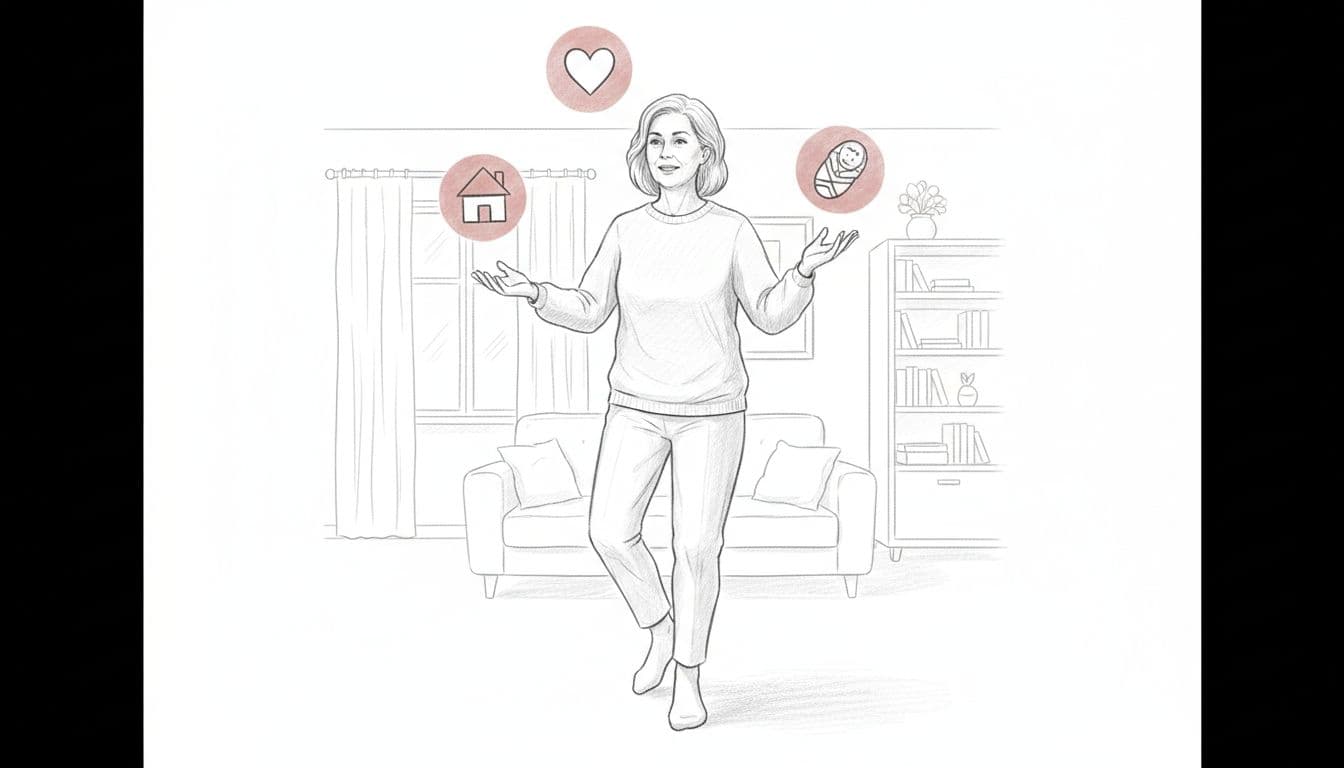
I reached a point where I didn’t know what I liked anymore. What did I want to eat, watch, wear, or do on a free Saturday? I had adapted to everyone else’s tastes for so long that my own voice got quiet.
Loss, Change, and Stress Can Shake the Ground Beneath Me
Then life adds external pressures. Grief, perimenopause, menopause, illness, aging parents, career setbacks, and strained relationships can crack open questions I’ve avoided.
I still think about the day I ended up on the kitchen floor after losing my mother while also facing cancer and job loss. That was my breaking point. It hurt, but it also forced me to stop pretending I was fine. Sometimes the moment that undoes me is the same moment that starts bringing me home.
How I Know It Is Time to Reclaim Who I Am
The signs aren’t always loud. Often, they’re quiet and easy to dismiss.
The Quiet Signs I Have Outgrown the Life I Built
I notice numbness and restlessness. I notice resentment. I feel lonely even when I’m around people who love me. Some days, I go through the motions and feel almost invisible.
What makes this hard is that gratitude and discomfort can live together. I can love my family and still want more. I can be thankful and still feel a pull toward something deeper. That doesn’t make me selfish. Craving authenticity makes me human. If that sounds familiar, this thoughtful piece on the identity wobble in midlife may feel reassuring too, especially amid identity shifts.
The Questions That Start My Return to Myself
My return starts with turning inward to hear my own voice again through honest questions, not perfect answers. What do I want now? What brings me peace? What drains me? What have I silenced? What would I choose if no one else’s needs came first?
I don’t need to solve my whole life in one sitting. I just need to tell the truth to begin reclaiming the self.
The Flourish Journey That Helped Me Find Myself Again
I didn’t need a rigid formula. I needed a gentle path. That’s how I think of the Flourish Journey, a seven-step midlife reorientation for self-discovery that moves from autopilot and pain toward purpose, joy, and intentional living.
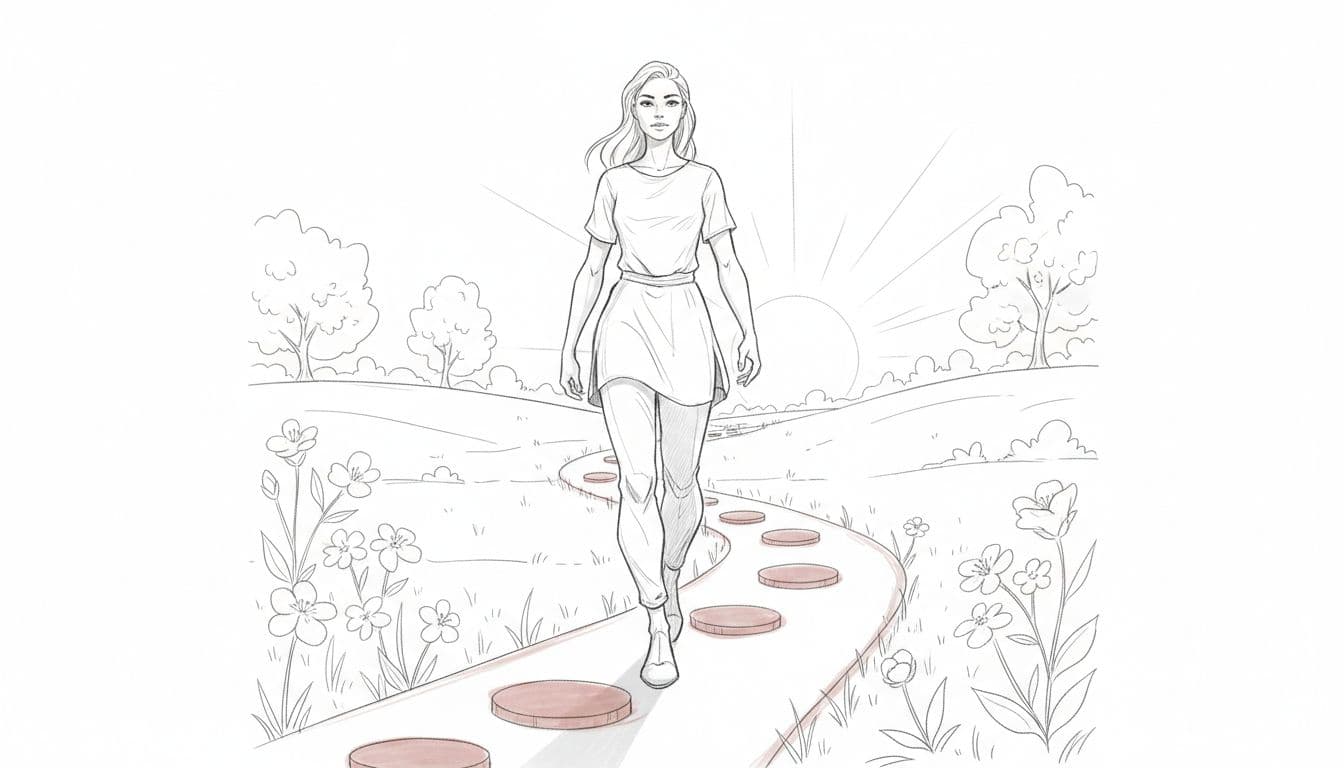
### I Start With Stillness, Reflection, and an Honest Look at My Life
First, I slow down. I get quiet enough to hear myself. Then I reflect on where I’ve been, what shaped my professional identity, and what still matters, including my values and priorities. After that, I take an honest look at my current life with compassion, not shame.
This is where I let go of what no longer lifts me, loves me, or leads me forward, even long-held ideas of success and stability tied to my past professional identity. Sometimes a simple theme helps, which is why I love selecting a powerful word of the year. One clear word can guide choices when life feels noisy.
I Make Space for Possibility, Vision, and Soulful Support
Next, I work on mindset. If I believe nothing can change, I stay stuck. When I let myself imagine a better next chapter, I create room for hope.
Then I name the dream. It doesn’t have to be huge. Maybe I want peace, creativity, a midlife career change, work I enjoy, or deeper connection. I also gather support through what I call a Soul Sparks toolkit, which might include people, books, habits, playlists, prayers, somatic support, and simple daily practices that bring me back to life.
I Choose Day One and Start Small So Real Change Can Begin
Finally, I stop waiting for the perfect time. I choose Day One for my midlife reorientation.
That might mean taking one class toward a midlife career change, setting one boundary, changing one morning habit, texting one friend, or making one brave decision about a midlife career change. Small steps can feel almost silly at first. Still, they build momentum, and momentum changes lives.
Simple Ways I Can Begin Finding Myself Again This Week
Change doesn’t have to be dramatic to be real.
Tiny Daily Practices Help Me Hear My Own Voice Again
Ten quiet minutes helps me reconnect with my true self. So does journaling, walking without earbuds, or making one choice based only on my preference, living in alignment with what lights me up.
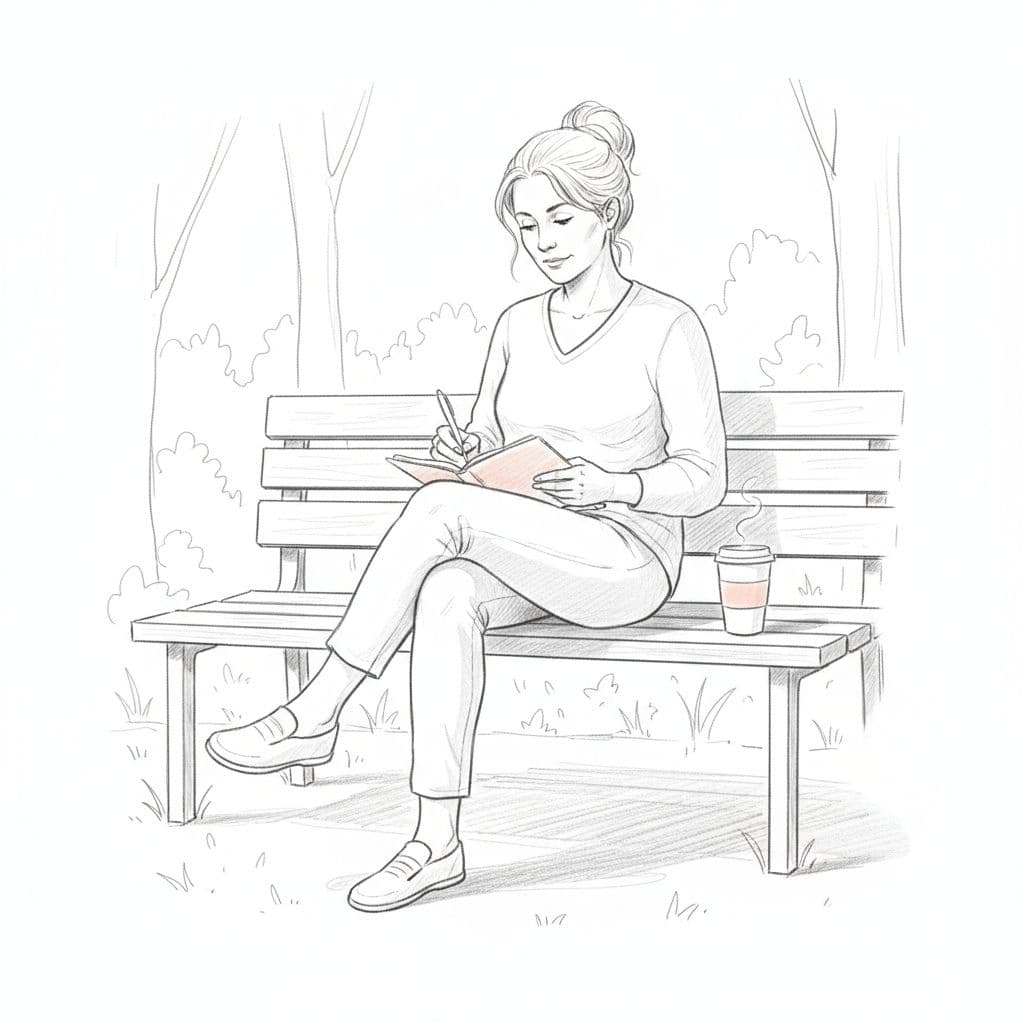
I also like writing a short list called, “What feels life-giving right now?” The answer might be rest, color, music, sunlight, quiet, or a clean boundary. That’s enough to start tuning into my true self.
I Give Myself Permission to Want More From This Next Chapter
For a long time, I acted like wanting more meant I wasn’t grateful. Now I know better, especially after letting go of the shoulds.
Wanting joy, purpose, peace, love, creativity, or a fresh start, along with a renewed sense of identity and purpose, is not too much. It’s honest. And if you need extra encouragement, stories about reinventing yourself at 50 can remind you that embracing change is still possible.
Common Questions I Have During a Midlife Identity Shift
Is It Normal to Lose Myself in Midlife?
Yes. Many women do, especially after years of role-based living and caregiving.
How Do I Know If This Is Depression or a Life Transition?
Both can overlap. If sadness, hopelessness, or loss of interest feels heavy or long-lasting, talk with a licensed mental health professional.
Is It Too Late to Reinvent Myself After 50?
No. Fifty is not the end of growth. It’s often the age when honesty gets stronger, a time for generativity through a midlife career change that reshapes your professional identity.
What If My Family Resists My Changes?
That can happen. When I change old patterns, like pursuing a midlife career change, other people notice. Still, healthy change often starts with one calm boundary.
Where Do I Start When I Feel Completely Lost?
Start small. Get quiet, write the truth, and take one Day One step, even in this in-between phase of questioning your professional identity and considering a midlife career change.
A midlife identity shift can feel unsettling, but it can also become a doorway to midlife reorientation. I don’t have to be who I was at 30, and neither do you. If today is the day you begin again to discover your true self, let it be simple, honest, and yours.


