Sharing Creative Work After 50 Without Feeling Exposed
Sharing creative work can begin with one trusted person, one piece, and a clear request for the response you’d welcome. You can show someone your paintings, writing, or handmade creations. Letting someone see a personal piece can feel vulnerable, while you keep other parts of your life private.
I encourage you to begin with a smaller audience, where there’s room for encouragement, honest learning, and a little courage.
Key Takeaways
- Choose someone who respects your confidence and knows how to listen.
- Ask for a warm response when you need support, or constructive feedback when you’re ready for suggestions.
- Share one piece or excerpt before opening up a larger collection.
- Informal art clubs and thoughtfully moderated online groups can offer connection without a public spotlight.
- Set boundaries around personal details, photographs, and whether others may share your work.
- An imperfect painting can give another woman permission to keep creating, too.
Why Sharing Creative Work Can Feel So Personal
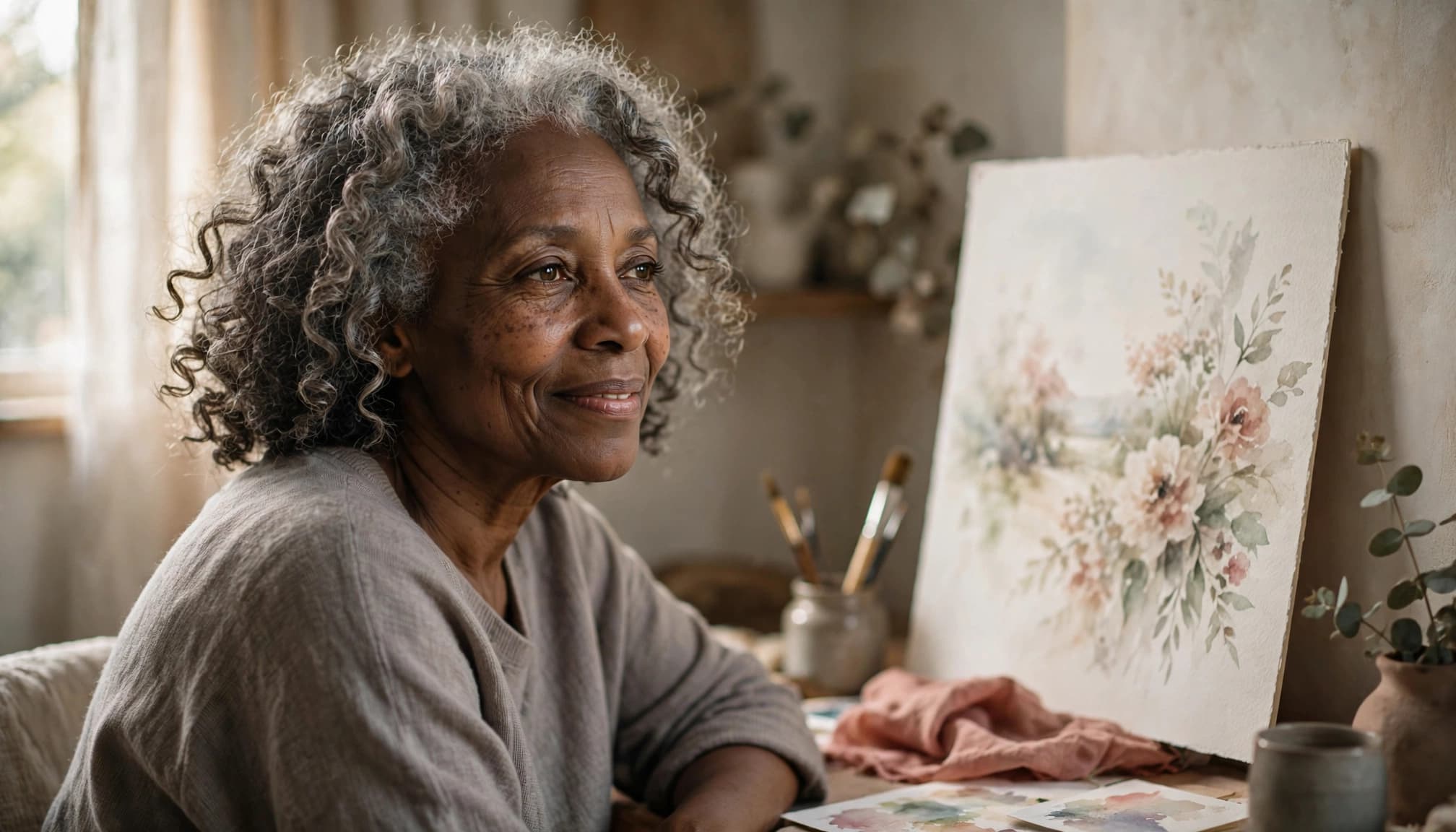
A painting can hold more than color and brushstrokes. Sometimes it holds a hope you’ve barely admitted to yourself, which makes showing it feel surprisingly tender.
Being a Beginner Can Feel Unfamiliar
After decades of managing responsibilities, you may be used to being the capable one. Letting someone see you learning can feel vulnerable, especially when self doubt surfaces around an interest that matters to you.
I think creative interests deserve room alongside the roles we’ve carried for years. If you’ve been feeling invisible after 50, showing something you’ve made may feel both inviting and frightening.
Caring About the Work Raises the Stakes
Fear can be a clue that painting, writing, or making things matters to you. A careless comment may land close to a dream you’re still trying to protect.
In Daring Greatly, Brené Brown writes, “Vulnerability is the birthplace of love, belonging, joy, courage, empathy, and creativity.” I find comfort in that connection, alongside the reminder that you still get to choose your audience.
Choose the Smallest Comfortable Way to Share
Before you send anything, I suggest beginning with my Daily Joy Practice, the Joy Triangle. Take three minutes for stillness, gratitude, and an intention for this moment.
Your intention might be to connect with someone who enjoys painting, rather than collect approval. My free Self-Care Journey Starter offers gentle support for making a little more room for yourself.
Then choose the size of the invitation. You might show one sketch across the kitchen table, email a photograph to a friend, or bring one page to a writing group.
You can show the piece without explaining everything behind it. A painting inspired by grief doesn’t require you to tell the whole story of your loss.
I also recommend saying whether the work should stay private. A simple “Please keep this between us” makes your wishes clear before anyone reaches for a phone.
Ask for Encouragement or Constructive Feedback
People can’t always tell what kind of response you need. Giving them a little direction can make sharing easier for both of you.
Encouragement Helps You Keep Going
Sometimes you need someone to notice the effort, the beautiful color, or the fact that you tried. Being seen can help you begin another painting or return to one you were ready to discard.
You could say, “This is my first time showing it, and a kind response would help today.” You don’t have to invite critique every time you share.
In Nature Studio’s member stories, one painter describes gaining confidence and motivation through sharing and feedback, which helped them continue rather than give up. Another credits recognition from friends and fellow members with easing self-doubt.
Constructive Feedback Gives You Something to Practice
Constructive feedback points to something you can work on in this painting and carry into the next. I recommend requesting one specific suggestion for how to improve the piece, so you leave with something manageable.
Try asking, “Where does your eye go first?” or “What could make the foreground clearer?” Those questions give someone a helpful place to begin.
Nature Studio lets members check a box to request a constructive critique, so members and coaches know suggestions are welcome. That distinction is worth borrowing wherever you share, because recognition and critique meet different needs.
Find People Who Know How to Be Kind
The closest person to you may not be the best person to discuss your work. I look for patience, curiosity, and an interest in helping someone continue.
Try an Informal Art Club
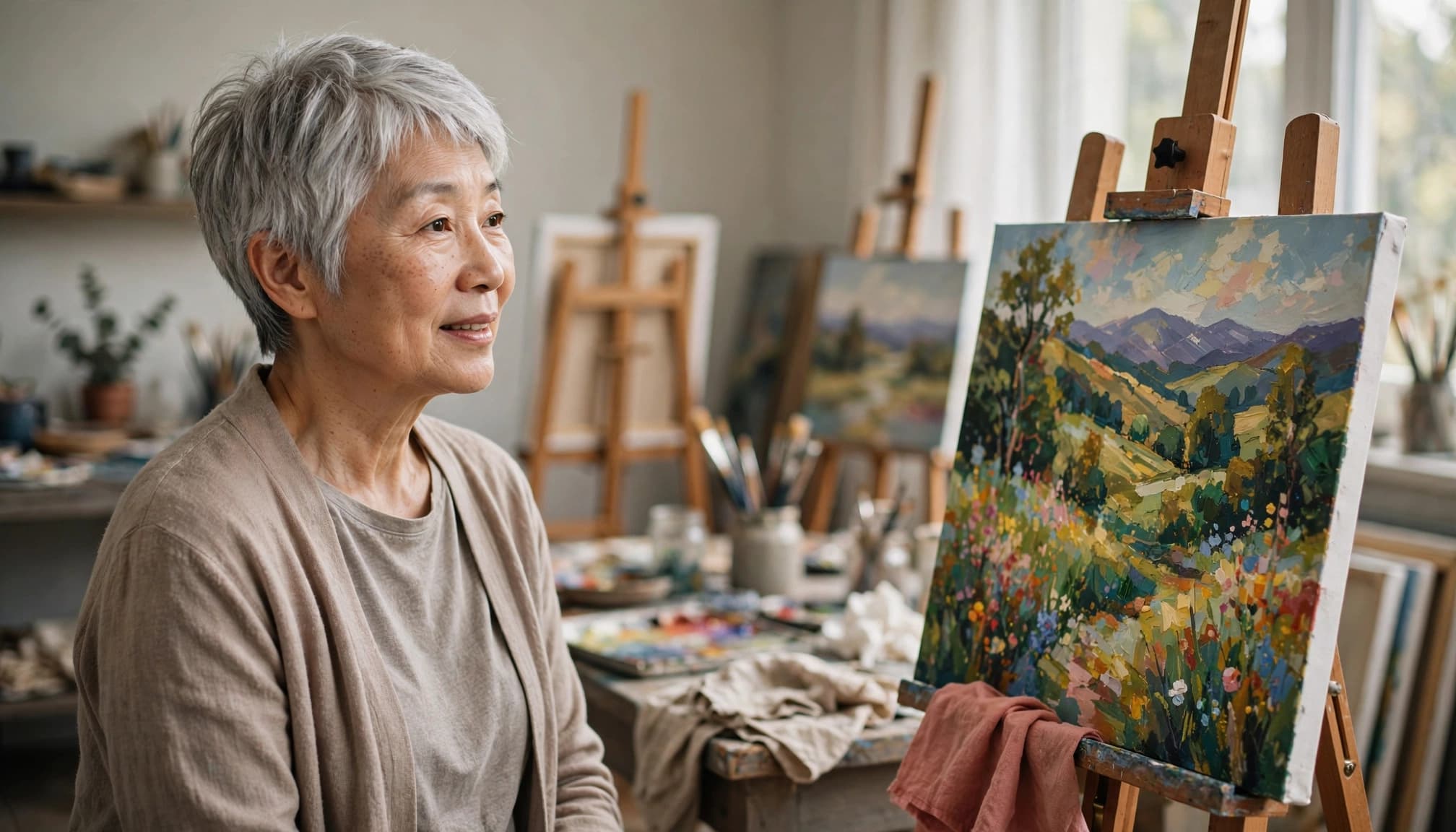
Informal art clubs bring people together without an instructor to paint, draw, and share artwork. Library groups, community-center sessions, and open studio gatherings can offer that kind of company.
Notice how people respond when someone struggles or shows unfinished work. A welcoming group asks questions, offers kindness, and respects a request to skip critique.
This is where choosing collaboration over competition becomes practical. You’re finding people who understand the pleasure and frustration of learning something together.
Look for Thoughtful Online Moderation
Online spaces can offer troll-free conversations, though no group can guarantee perfect behavior. Clear rules and active moderators help create a safe and supportive space where beginners feel more at ease.
Read several discussions before you share your work, especially those involving beginners. Notice whether members offer helpful observations or turn every exchange into a contest.
One Nature Studio member describes learning through mistakes and feedback from other students, gaining confidence and making friends worldwide. That kind of connection is a good reason to seek a well-run community, even if you begin by listening.
Give Yourself a Gentle Sharing Routine
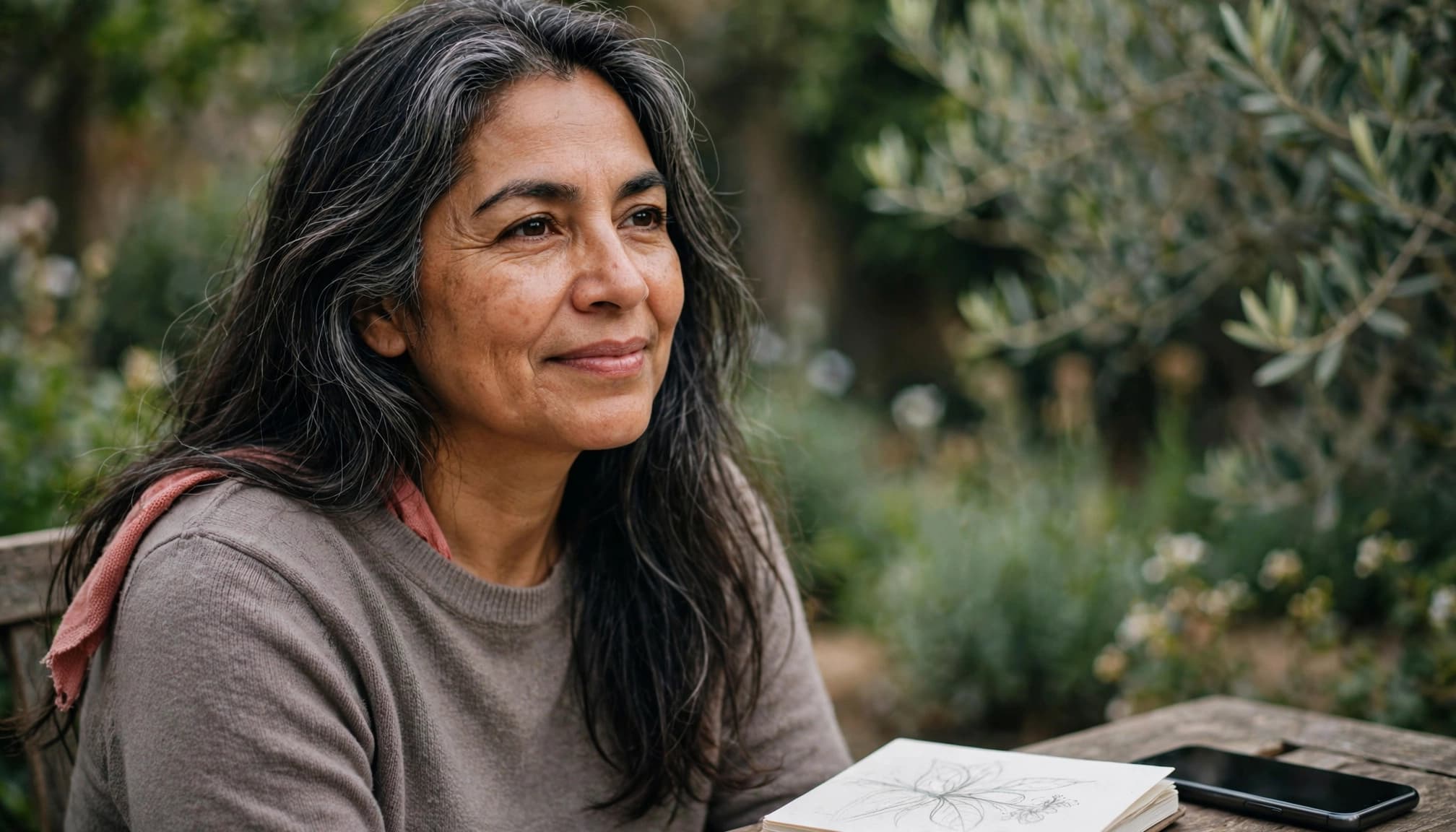
I recommend deciding what happens after you share, before you press send. Put the phone aside and return to something familiar, such as making tea or taking a walk.
Choose a reasonable time to read responses instead of refreshing throughout the afternoon. You can thank someone without immediately answering every suggestion or explaining every choice.
Keep useful feedback somewhere separate from the conversation. Jot down one skill or detail you’d like to improve, such as softer edges, instead of rereading the whole thread when doubt appears.
Creative time belongs among the things that care for you, too. My Ultimate Self-Care Guide is there if you’d welcome more support for making space for what restores you.
The measure of a helpful exchange is whether it supports your connection to the work. Feeling willing to return to your paints tomorrow matters more than collecting reactions today.
Let an Imperfect Piece Encourage Someone Else
When attention on your own nerves feels overwhelming, consider what sharing might offer another woman. She may be wondering whether she’s allowed to begin before she’s good at something.
Your uneven watercolor or unfinished drawing gives her a more realistic picture of learning. She gets to see that making things includes experiments, mistakes, and pieces that need another afternoon.
I like this reason for sharing paintings because it makes room for companionship. You can offer someone an honest glimpse of practice while keeping plenty of work for yourself.
Offer others the same choice you appreciate. Ask whether they’d like encouragement or suggestions before commenting on their work, and describe what you notice rather than ranking their ability.
When a Response Hurts or Never Comes
A useful suggestion points to something in the work and offers a possible next step. A put-down attacks you, mocks your effort, or leaves you feeling smaller without helping you learn.
You can pause before responding. Consider a specific observation, then decide whether it fits what you’re trying to create.
Cruelty doesn’t earn a debate or continued access to you. Leave the conversation, block the person, or report the comment when appropriate.
Silence can stir self doubt, especially after you’ve worked up the courage to share. Your inner critic may treat a quiet thread as proof that your painting isn’t good, but silence tells you very little about its quality.
If you want a conversation, approach one person directly and ask a focused question. Keep creating while you wait, so the response doesn’t become the only thing happening in your creative life.
Frequently Asked Questions
Do You Have to Call Yourself an Artist?
You can introduce the activity in whatever language feels comfortable. Saying that you enjoy watercolor or have started writing poems gives people enough to begin a conversation.
I wouldn’t make a title another hurdle. You can share what you’ve made without settling how you’ll describe yourself forever.
Should You Start Selling When People Ask?
Interest is lovely, and you can take time before deciding whether you want orders, deadlines, or customers. Enjoying a creative hobby is a complete reason to keep doing it.
If selling appeals to you, consider separately whether you enjoy making work on request. Sharing a painting doesn’t commit you to starting a business.
What if a Memoir Includes Other People?
Begin by sharing the passage privately with a trusted writing partner. Leave out identifying details when they aren’t necessary for the feedback you’re requesting.
Before making sensitive material public, consider the privacy of everyone involved. Writing something for your own understanding and publishing it are separate decisions.
Your Creativity Deserves Good Company
Is there something you’ve made that you’d love to show one kind person? I believe sharing creative work can begin there, with a modest invitation and boundaries that feel right to you.
As you rediscover creative interests after 50, you get to decide how much of that experience becomes public. There’s room for private enjoyment, supportive friendships, and learning at your own pace.
What would you feel comfortable sharing first?