How to Cope With Survivor Guilt After a Loved One Dies
Coping with survivor guilt begins with naming the feeling, questioning self-blame, and allowing someone to support you. After losing someone you love, being alive can feel painfully unfair, even when their death was beyond your control.
I’d begin gently, with what you know, rather than everything you wish you could’ve changed.
Key Takeaways
- These feelings can leave you feeling responsible for being alive when someone you love has died.
- Feeling guilty doesn’t establish that you caused the death or could’ve prevented it.
- Intrusive thoughts, sleep problems, disconnection, and physical distress deserve attention.
- Grounding, honest reflection, and small routines can help you manage difficult moments.
- Trauma-informed therapy, survivor support groups, and trusted people can offer different kinds of support.
- Remembering someone and enjoying your own life can exist together, without a deadline for either.
Understanding Survivor Guilt After Loss
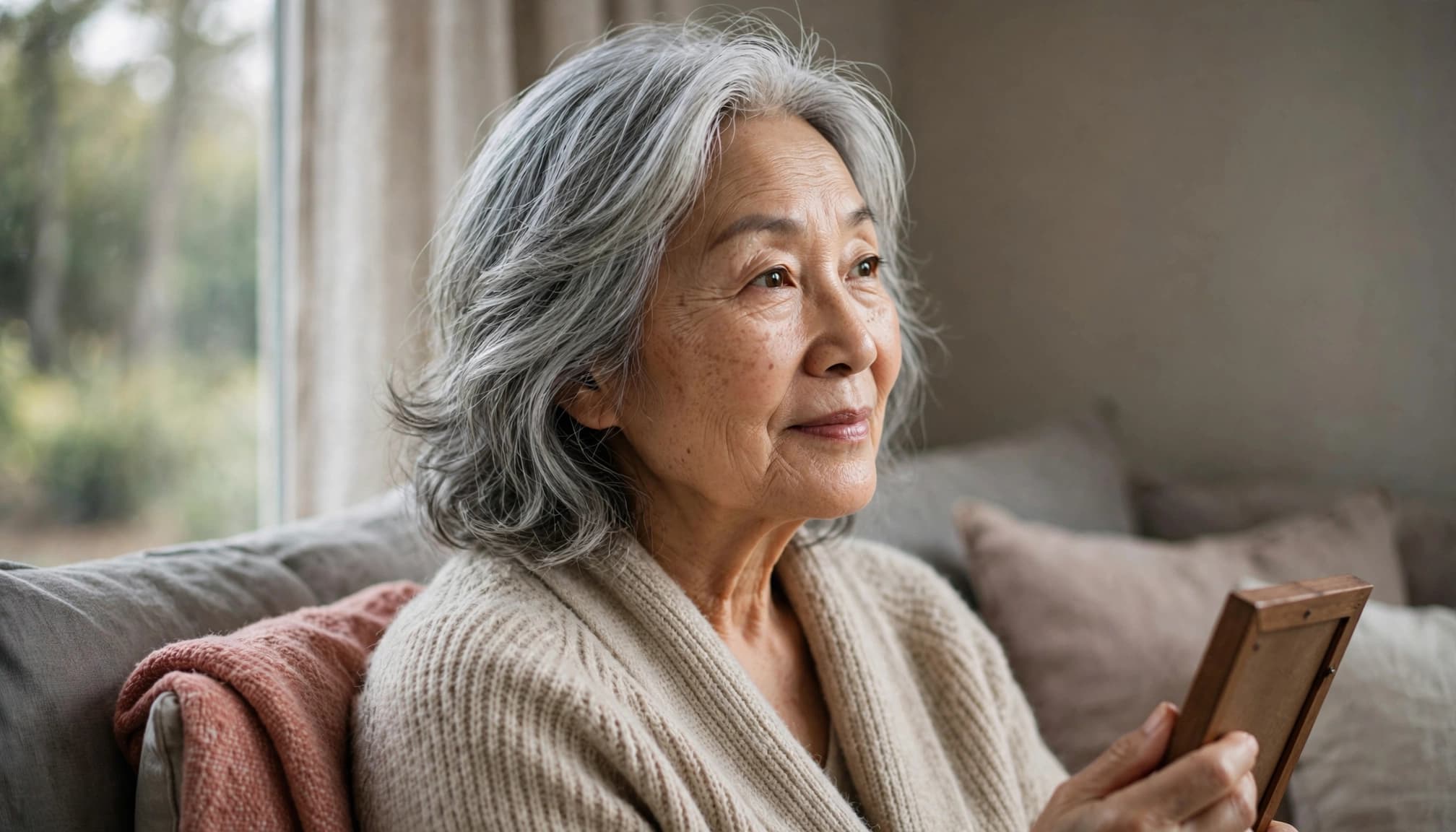
Why Being Alive Can Feel Unfair
Survivor guilt is distress about surviving when others died, sometimes accompanied by the belief that you should’ve done more. Familiar questions include “Why did I live while others died?”, “Why am I luckier?”, and “Could I have saved them?”
It can follow combat, natural disasters, serious accidents, terrorist attacks, suicide loss, the AIDS epidemic, or cancer survivorship. Veterans, Holocaust and 9/11 survivors, first responders, and transplant recipients are among the groups commonly associated with it.
Trauma survivors can experience these feelings after a traumatic event, even when they had no meaningful control over what happened. Childhood trauma or abuse, existing mental health conditions, and substance misuse can increase vulnerability.
How Guilt Differs From Responsibility
Guilt about a specific harmful action can point toward responsibility and repair. Survivor guilt can arise simply because you’re here, even when you had no meaningful control over what happened.
A clinical review of survivor guilt describes its relationship with PTSD. It isn’t a standalone diagnosis in today’s DSM-5-TR; DSM-IV also discussed it as an associated feature of PTSD, rather than a separate disorder.
You can experience survivor guilt without meeting PTSD criteria, and have PTSD without survivor guilt. For broader bereavement feelings, my reflections on grief after 50 leave room for the emotions that don’t arrive neatly.
Recognizing the Effects on Your Mind and Body
Symptoms Worth Taking Seriously
You may replay events, have flashbacks or nightmares, or feel trapped in obsessive thoughts. Disconnection, numbness, anger, fear, depression, and trouble feeling motivated can make ordinary days harder.
Your body may respond with disrupted sleep, nausea, digestive upset, or persistent tension. Some people also experience suicidal thoughts or believe they don’t deserve to keep living.
If you’re thinking about suicide, call or text the 988 Suicide & Crisis Lifeline in the United States. It’s free and available around the clock; call 911 for immediate danger, or your local emergency number outside the U.S.
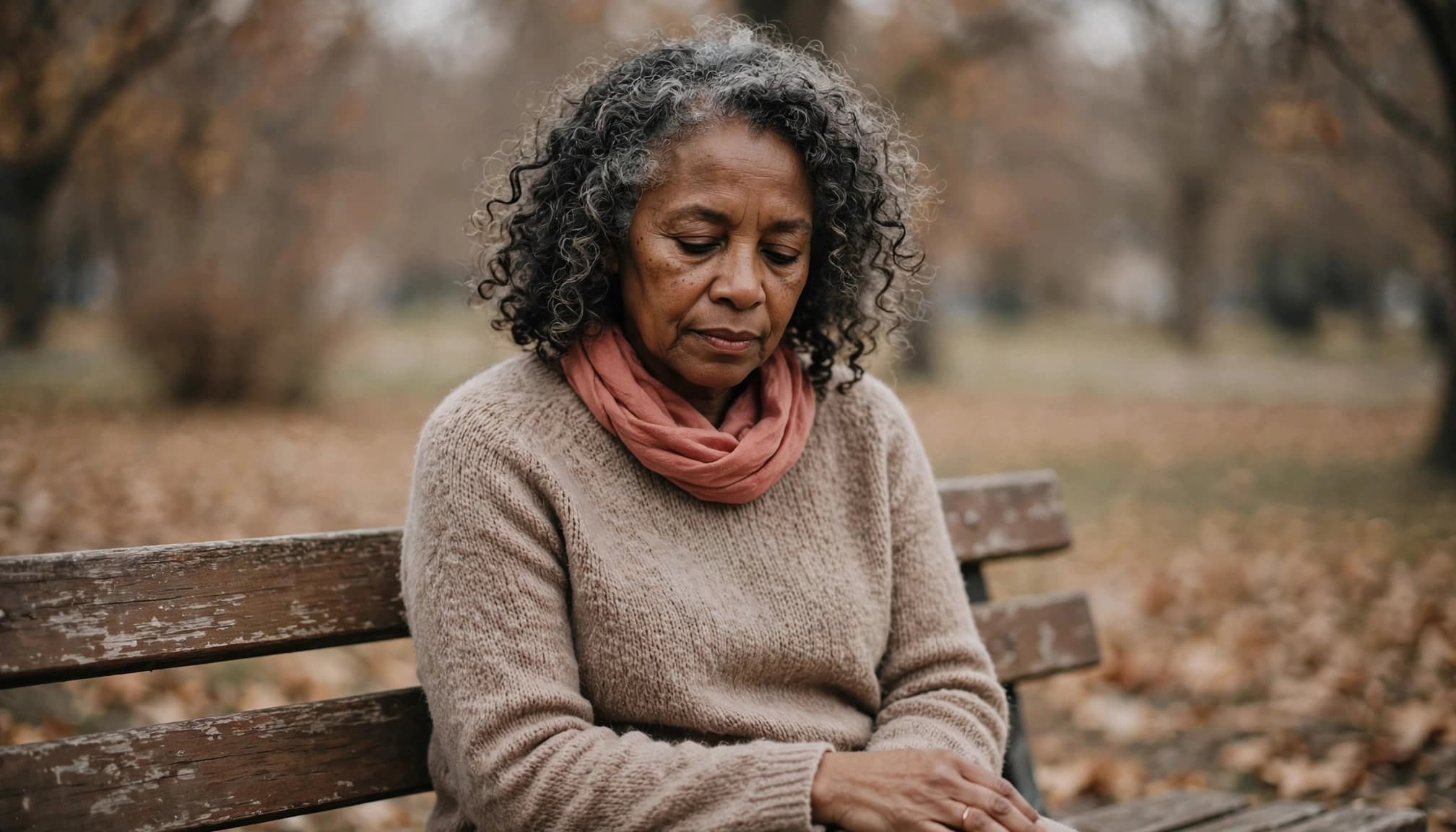
What Trauma Research Can Tell You
Research published in JAMA after 9/11 reported PTSD estimates of about 4% among U.S. residents and 11.2% in New York City shortly afterward. Those figures describe PTSD, not the prevalence of survivor guilt.
A World Trade Center follow-up study found probable PTSD in 13% of participating survivors about 14 years later. Among participants with probable PTSD, roughly 68% also had depression.
Those findings show that distress following the attacks can persist; they don’t predict your recovery. I’d pay attention to how you’re functioning today, especially whether you’re eating, sleeping, connecting with people, and managing basic care.
Easing Self-Blame in Difficult Moments
Give the Whole Situation a Fair Hearing
When guilt starts repeating itself, I’d write the thought down and separate facts from assumptions. Consider what you knew then, what choices were available, and what was outside your control.
Hindsight gives you information you didn’t have at the time. A therapist or trusted person can help you examine responsibility without turning every unanswered question into evidence against you.
If a real mistake needs acknowledging, you can discuss it honestly without making it the verdict on your entire relationship. My thoughts on guilt after caregiving ends offer space for that complicated mixture of love, exhaustion, regret, and relief.
Return to the Present Before Solving Anything
When memories feel overwhelming, begin with your surroundings. Rest your feet on the floor, notice five things you can see, and feel the support of the chair beneath you.
You don’t have to force yourself through traumatic memories alone. If an exercise increases distress, stop and reach for support.
For daily self-care alongside that support, I’d suggest my Daily Joy Practice, or Joy Triangle, as a first small step. Pause in the present, notice something you appreciate if that feels possible, and choose one kind intention.
That intention might be eating lunch or answering a friend’s call. If gentle prompts would help, my free Self-Care Journey Starter offers 30 days of ideas and a daily tracker, without asking you to feel cheerful on command.
Finding Support and Trauma-Focused Care
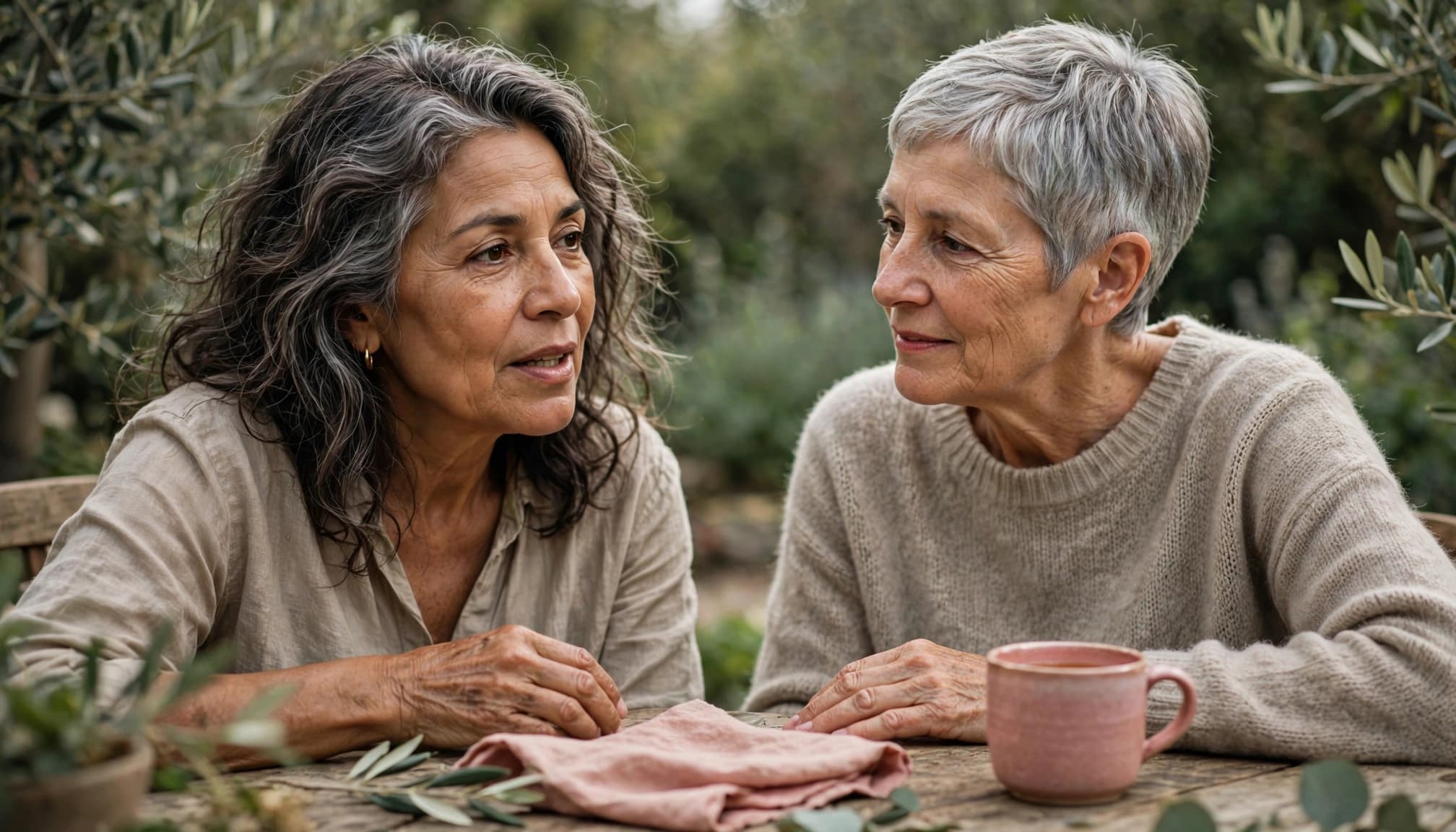
Choose Help That Matches Your Symptoms
I’d look for a licensed therapist experienced in grief and trauma when guilt keeps disrupting your life. An assessment can explore PTSD symptoms such as intrusive memories or avoidance, as well as mood, sleep, safety, and how long difficulties have lasted.
The American Psychological Association associates self-blame after a distressing event with greater psychological distress. Its treatment guidance addresses evidence-based care, including approaches that help people examine beliefs formed around the event.
Cognitive behavioral therapy and EMDR are used in PTSD treatment. They can help reduce distress associated with traumatic memories; grief itself may also need separate attention.
You can begin an appointment by describing today’s difficulties, without recounting every detail. My writing about healing after grief and trauma also makes room for support alongside everyday choices.
Let People Know What Would Help
A survivor support group can offer understanding from people with related experiences. A bereavement group may fit better when missing your loved one is the main source of distress.
Family and friends can help too, especially when you give them something concrete to do. You might ask someone to bring dinner, walk with you, or listen without trying to explain why the death happened.
I’d also reach out professionally if you’re withdrawing for long stretches or relying more on alcohol or medication to get through the day. You can ask for help before daily life becomes unmanageable.
Keeping Their Memory Without Punishing Yourself
Love often needs somewhere to go after a death. Saying their name, cooking a familiar recipe, attending a memorial, or sharing a favorite story can give that love a place in your present life.
If guilt feels tied to staying connected, you might gently choose a different way to remember them. You don’t have to make continued suffering the measure of how much they mattered.
Psychologist Samuel Juni’s 2016 examination of survivor guilt challenges the assumption that survival necessarily produces guilt. He describes an ill-defined concept that can include self-reproach and traumatic anxiety, a reminder to name your own experience rather than force it into a label.
You may also be grieving the future you imagined, including retirement plans, family traditions, and ordinary afternoons together. I’d give those losses attention without asking you to replace those plans immediately.
As room returns for everyday care, my paid Ultimate Self-Care Guide offers prompts, trackers, and simple practices. It’s a resource for daily well-being, and it doesn’t replace grief counseling or treatment for persistent post-traumatic distress.
A peaceful afternoon, a laugh with a friend, or an interest you enjoy can belong in your life alongside missing them. You don’t have to earn those moments through enough sadness first.
Facebook Caption
Have you ever caught yourself enjoying something, then felt guilty because someone you love isn’t here to share it?
I hope these gentle ways of working through self-blame help you find a little breathing room, without rushing your grief or asking you to feel better on schedule.
What helps you feel close to someone you miss?
FAQs About Survivor Guilt
How Long Can Survivor Guilt Last?
It can last weeks, months, or years, and meaningful dates may bring feelings back. There’s no single timetable, though persistent distress deserves support rather than an indefinite wait for it to pass.
I’d measure progress through daily changes, such as sleeping more comfortably or feeling able to make a plan. A difficult day doesn’t erase those changes.
What Does Internalized Guilt Mean?
Internalized guilt means carrying blame inward until it becomes a familiar judgment about yourself. After loss, responsibility for something you couldn’t control may begin to feel like an established fact.
When guilt broadens into believing you’re a bad or undeserving person, shame may also be involved. A therapist can help you untangle those beliefs.
Can Survivor Guilt Happen Without Witnessing the Death?
Yes, you can feel guilty about being alive even if you weren’t physically present when someone died. Bereavement after suicide, illness, or a distant tragedy can bring that painful comparison.
Being absent doesn’t establish that you failed them. The circumstances and your actual ability to influence events deserve a fair, compassionate examination.
Let Love Come With You as You Live With Survivor Guilt
Pain can make ordinary care feel undeserved. Give those feelings attention while allowing yourself food, rest, companionship, and professional help when you need it.
You can keep someone close through memory without answering every painful question about their death. For today, one honest conversation or one manageable act of care is enough to begin.