How to Create a Personal Space at Home That Feels Like Yours
Have you ever stood in your own house and thought, “Where do I go when I need five minutes of solitude?” I have. A home can be full of people, responsibilities, noise, laundry, and love, yet still leave me feeling like I do not have one little corner that belongs to me.
A personal space at home does not need to be a whole room with a door that locks. It can be a chair by the window, one end of the bedroom, a small desk, or even a basket I pull out when the house gets busy. What matters is that it gives me room to breathe and remember who I am outside of what everyone needs from me.
I do not need a perfect home to make space for myself. I need a spot that feels honest, comforting, and like a personal sanctuary that is truly mine.
Key Takeaways
- A personal space can be small, affordable, and still feel meaningful.
- I start by choosing a spot that fits how I want to feel, not how it looks online.
- Establishing clear boundaries helps other people understand when I need quiet or privacy.
- Comfort comes from personal details, good lighting, useful storage, and fewer distractions.
- My space works best when I use it regularly, even if I only have ten minutes for some much-needed me time.
Start With What I Need Most Right Now
Before I move furniture or buy one single pillow, I ask myself a simple question: What do I need this space to give me?
Maybe I need quiet. Maybe I need somewhere to read without seeing a pile of bills. Maybe I want a place to pray, journal, stretch, work on a dream, or sit with a cup of coffee before the whole house wakes up.
The answer changes the kind of space I create.
If I need calm, I don’t put my chair beside the television or under a stack of family paperwork. If I want a creative corner, I need supplies close by and a surface where I can leave a project out. If I need emotional safety, I want soft light, a blanket, and fewer things asking me to make decisions or perform for others.
A personal space isn’t another project where I need to perform. It isn’t a room I create to impress friends or prove I have my life together. It is a small act of self-respect.
I don’t have to earn a place to rest, think, dream, or be alone for a little while.
Sometimes I need to get honest about what is making me feel crowded. It may not be physical clutter. It may be the feeling that I am always on call. I may be caring for aging parents, helping adult children, working, managing a home, or carrying worries that nobody else sees. This is where intentional stress reduction becomes vital.
That is why a corner of my own can matter so much. It reminds me that my needs are part of the household, too, and provides a necessary sanctuary for my overall mental health.
Choose a Spot That Works in Real Life
I love the idea of a separate she-shed, a sunroom, or a whole office with French doors. But most of us are working with the home we have now, even if we are navigating the challenges of an open floor plan. A personal space at home can begin with less square footage than I think.
I look for an area that already has a little natural advantage. A quiet bedroom corner is often a good place to start. So is a spot near a window, an unused section of the dining room, a landing at the top of the stairs, or a comfortable chair that has been ignored for years.
The best location depends on how I plan to use it.
| If I Want to… | A Good Place Might Be… |
|---|---|
| Read, pray, or journal | A private corner or window seat |
| Make art or work on hobbies | A dedicated workspace, dining table nook, or spare closet |
| Relax after a long day | A comfortable chair away from the TV |
| Move my body gently | A clear patch of floor near a wall |
| Plan my next chapter | A small desk with a notebook and calendar |
I try not to choose the most visible spot in the house if I know people will walk past every two minutes and start conversations. That does not mean I need to hide. It means I am allowed to choose a place where I can settle.
If privacy is limited, I make the space easy to set up and put away. A rolling cart from IKEA, a lidded basket, or a simple tray can hold a journal, reading glasses, headphones, a candle, and a favorite book. When I pull it out, that is my little signal to myself: I am here now.
Room dividers and temporary walls can also create a surprising amount of separation in a shared room. They will not block every sound, but they give the eye a break. Sometimes that is enough.
Give the Space Clear Boundaries
I have learned that other people cannot always guess when I need a moment alone. If I keep answering every question, finding every missing shoe, and jumping up the second someone calls my name, my personal corner becomes another place where I do emotional labor. Establishing clear boundaries is essential to ensuring this area remains a sanctuary.
That does not mean I need to become harsh or shut everyone out. It simply means I am prioritizing my privacy with words that are both kind and firm. I might say, “I am going to sit here for twenty minutes, then I will come help you.” Or, if I am using headphones as a personal do not disturb signal, I can simply explain that this signifies I am taking a little quiet time. Simple words work better than a long explanation.
If I live with a spouse, children, grandchildren, roommates, or family members who visit often, I can tell them what this area means to me. I do not need to make it dramatic. I can say, “This is where I go to read and reset. Please do not leave things here.”
That last part matters. A personal space loses its sense of ownership when it becomes the drop zone for mail, backpacks, dishes, and everyone else’s random belongings.
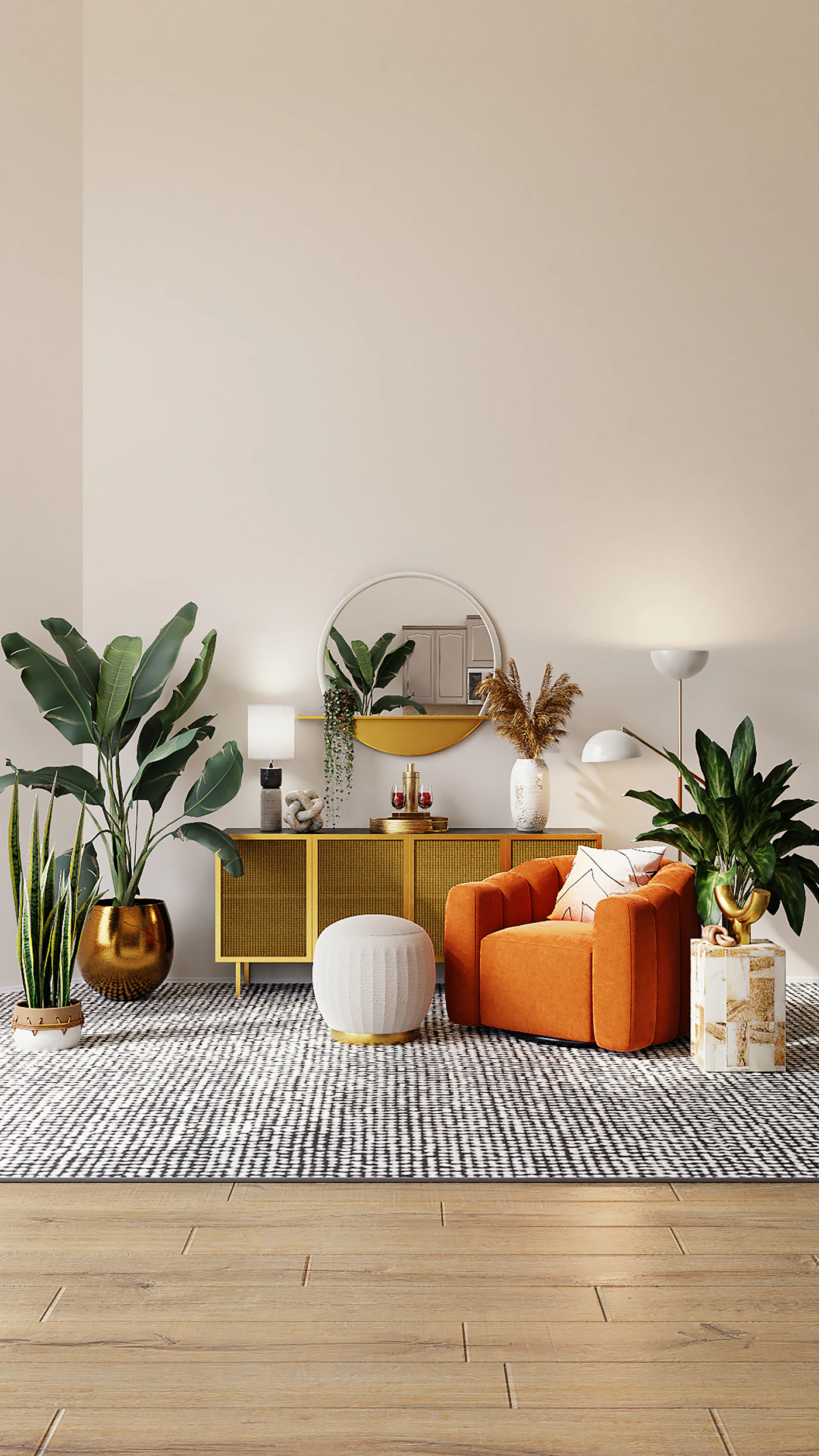
Physical boundaries help, too. A small rug can define an area in a larger room. So can a side table, a bookcase, a lamp, or a plant. I do not need walls to make a space feel separate.
I also give myself permission to protect the time I spend there. A ten-minute pause after lunch can be enough. So can fifteen minutes with my coffee before I check my phone.
If I have spent years taking care of everybody else first, this may feel uncomfortable at the beginning. That does not mean it is wrong.
Make It Feel Like Me, Not Like a Catalog
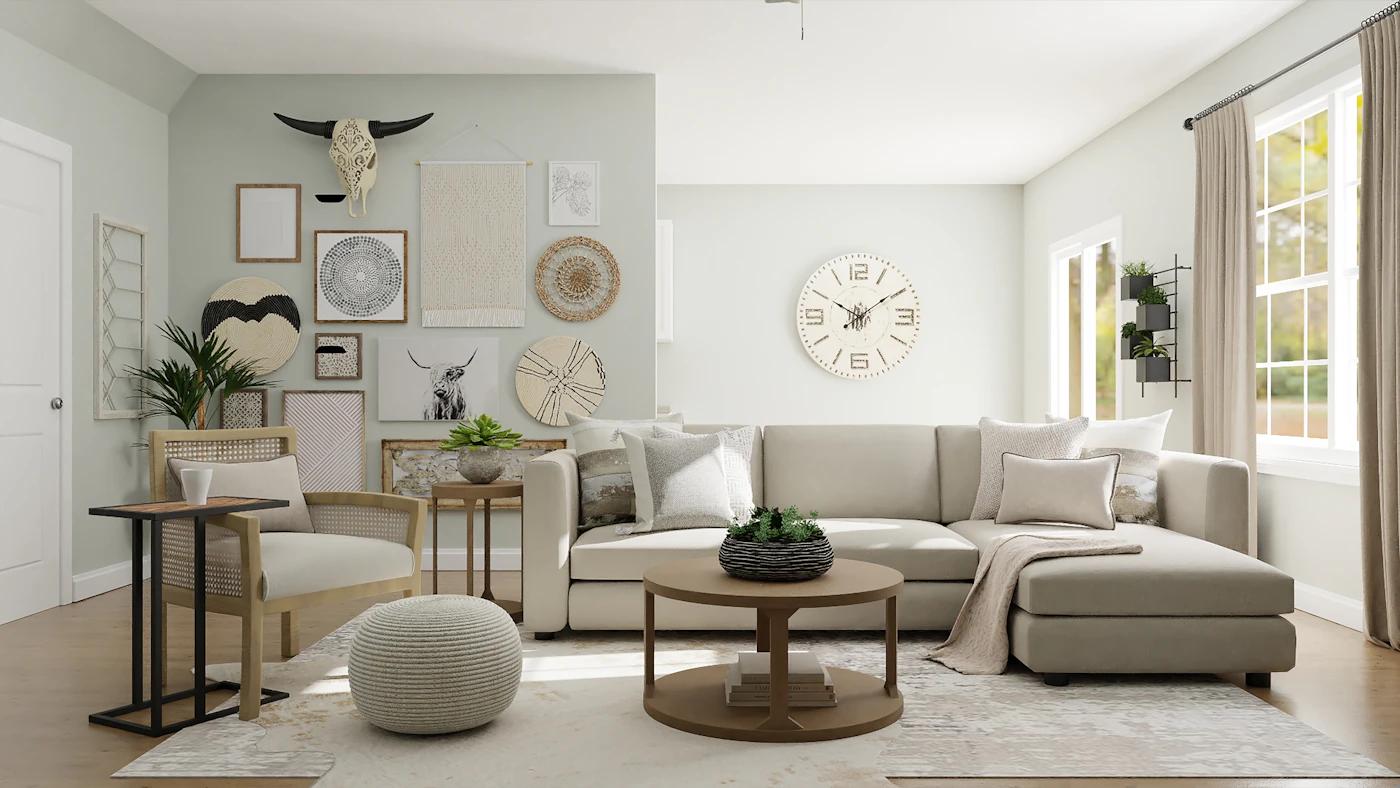
The most comforting spaces hold clues about the woman who lives there. I do not want my space to look like a staged furniture display; I want it to feel like I walked into it and exhaled, finally finding a sense of inner peace.
I start with comfort. A chair needs to support my back. A lamp needs to give me enough light to read. A throw blanket needs to be something I will actually use, not something I am afraid to wrinkle.
Then I add a few personal things that help me recharge and make me smile.
Maybe it is a framed photo from a trip I loved. Maybe it is my grandmother’s little dish, a favorite mug, a growing stack of library books, or a plant that makes the room feel alive. I like having one beautiful object nearby, even if it is small. Beauty has a way of reminding me that I am allowed to enjoy my own life.
For me, scent and sound can shift the mood fast. I may light a candle, use a diffuser, or keep a small speaker nearby for soft music. If fragrance bothers me or someone in my home is sensitive, fresh air and clean bedding do plenty.
I also pay attention to what I see when I sit down to embrace a moment of solitude. If the first thing in front of me is clutter, that is what my mind will hold onto. I turn my chair toward a window, a piece of art, a shelf of books, or even a blank wall with one meaningful picture.
A small notebook can be part of the space, too. I use mine to write down thoughts, prayers, worries, and sudden ideas. When I am trying to figure out what I want in this season of life, a Someday List for dreaming again can help me notice the little sparks I have been brushing aside.
Keep It Useful, Not Precious
I know myself. If my personal space requires a full cleaning session before I can sit down, I won’t use it. If everything has to look perfect, I will start avoiding it.
So I make it easy.
I keep only the things I use often within reach, which significantly boosts my daily productivity. A basket beside my chair can hold a blanket, journal, book, reading glasses, and hand cream. A small tray can keep a candle, coaster, and pen from wandering across the room.
Every few days, I take two minutes to reset my quiet zone. I put away what doesn’t belong, toss old receipts, refill my water glass, and return the chair to its spot. Nothing fancy. I am not trying to create a showroom. I am making it easy to come back.
This is also where I watch out for turning self-care into shopping. A new pillow or pretty lamp can be lovely, but I don’t need to buy my way into feeling cared for. The first version of my space can begin with what I already own.
A chair. A blanket. A lamp. A book. A boundary.
That is plenty.
Let Your Personal Space Change With You
The space I need in one season may not be the space I need six months later. When my children were younger, I may have needed somewhere to hide with a cup of coffee. Now that I am embracing a new season of independence, I may want a place to think about retirement, take an online class, plan a trip, or finally write my own story.
I don’t have to keep the same setup forever.
Maybe my reading corner becomes a place for morning stretching. Maybe the desk I used for work-from-home paperwork becomes a spot for painting or genealogy research. Maybe I clear out one kitchen cabinet and make room for tea, a journal, and a few quiet morning rituals.
I try to check in with myself once a month. I ask, “Am I using this space?” If the answer is no, I don’t shame myself. I get curious.
Is it uncomfortable? Too cluttered? Too public? Am I only visiting it when I feel guilty or exhausted? A few small changes can make it welcoming again.
Creating a space of my own is part of learning to care for myself without apology. If I need ideas for making that care more regular, I return to these simple self-care practices for women over 50.

Final Thoughts
Your personal space at home does not need to be big, expensive, or perfectly finished before you can begin to enjoy it. It simply needs to be a place where you feel a little more like yourself.
You can start with one chair, one boundary, and a small promise to return there. Over time, that corner can become a steady reminder that your life has room for you, too, serving as a dedicated personal sanctuary that supports your well-being.
Frequently Asked Questions
How Can I Create Personal Space in a Small House?
I look for one usable corner instead of waiting for an extra room. A bedside chair, a section of a shared bedroom, or even a small nook partitioned off by accordion doors can become my personal space at home. A small rug, a dedicated lamp, or a rolling cart helps provide the necessary privacy to separate that area from the rest of the room.
What Should I Put in My Personal Space?
I choose things that support the reason I am there. A comfortable seat, good lighting, a soft blanket, a journal, a book, and a drink are often enough. I add personal items slowly so that my private corner stays peaceful instead of becoming cluttered.
How Do I Ask My Family to Respect My Space?
I keep it simple and direct. I tell them when I plan to use the area and what I need, such as quiet, privacy, or no clutter left behind. Clear, calm reminders work better than waiting until I feel resentful.
Do I Need to Spend Money to Make a Space Feel Special?
No. I can use a chair I already own, a favorite blanket, a library book, and a framed photo. The feeling of having personal space at home comes from intention and regular use, not a shopping trip.