Anxiety Before Happy Events: Ways to Feel More Settled
Anticipatory anxiety before a happy event can arise when uncertainty, expectations, or memories stir up your body’s stress response. You can look forward to a wedding, vacation, or birthday celebration and still feel unsettled about going.
I’d start by easing the pressure to feel excited, then giving yourself a few manageable ways to prepare.
Key Takeaways
- Anticipatory anxiety is worry about something ahead, including an event you’re looking forward to.
- Excitement and anxiety can bring similar body sensations, including butterflies and a faster heartbeat.
- A simple plan, regular meals, and comfortable movement can make the lead-up easier.
- Gentle breathing helps some people. If it increases your distress, keep your attention on your surroundings instead.
- Recurring anxiety that disrupts sleep, relationships, or everyday activities deserves professional support.
Why Anticipatory Anxiety Before Happy Events Happens
Future-focused worry is dread about an event or outcome that may never happen. Your nervous system can respond to an imagined threat as though it’s happening now.

Wanted Plans Can Still Carry Pressure
A celebration can bring plenty of expectations: look your best, keep everyone comfortable, enjoy every minute. After years of organizing family life, you may find yourself planning for everyone else’s needs before considering your own.
Milestones can also bring grief, changing family roles, or memories of someone who’s missing. My reflections on mixed feelings around milestone birthdays leave room for those emotions alongside the celebration.
The same response can appear before travel, social gatherings, major life changes, tests, public speaking, job interviews, and medical tests. Uncertainty often makes the waiting difficult. Intolerance of uncertainty means having trouble sitting with not knowing.
Excitement and Anxiety Share Body Sensations
Both can bring butterflies, alertness, and a faster heartbeat. Anxiety adds a threatening story, while excitement usually includes interest or possibility.
These cognitive distortions can turn uncertainty into predictions of a worst-case scenario. Fortune-telling predicts disaster, mindreading assumes other people will judge you, and catastrophizing turns a mishap into a ruined day. What if thinking keeps adding worries.
I wouldn’t force yourself to rename every anxious feeling as excitement. Try acknowledging that you’re looking forward to something and feeling nervous about it.
Recognize the Pattern Without Diagnosing Yourself
Knowing what you’re experiencing gives you a place to begin. Psych Central’s explanation of anticipatory anxiety describes how future-focused worry can affect thoughts, feelings, and physical comfort.
Notice What’s Happening in Your Body and Mind
Use these signs as a brief check-in:
- Physical changes can include an increased heart rate, tense muscles, nausea, fatigue, and sleep disturbances.
- Mental changes may include negative predictions, difficulty concentrating, and repeatedly rehearsing what could go wrong.
- Behavior can shift toward constant checking, asking for reassurance, procrastinating, or wanting to cancel.
These signs don’t establish a diagnosis. I encourage you to notice what’s different for you, especially when physical symptoms are new.
Pay Attention to Timing
Symptoms often build gradually before an event and decrease quickly once the situation is over. Some people feel relief after arriving, while others remain uncomfortable longer.
Situational worry centers on a particular occasion. A recurring pattern can involve worry for days, weeks, or months before different events.
There’s no dependable countdown for when it will start or stop. The effect on your life matters more than the calendar alone.
Prepare Gently in the Days Before
A little preparation can reduce uncertainty. I suggest keeping it small enough that getting ready doesn’t become another source of pressure.
Begin With One Predictable Moment
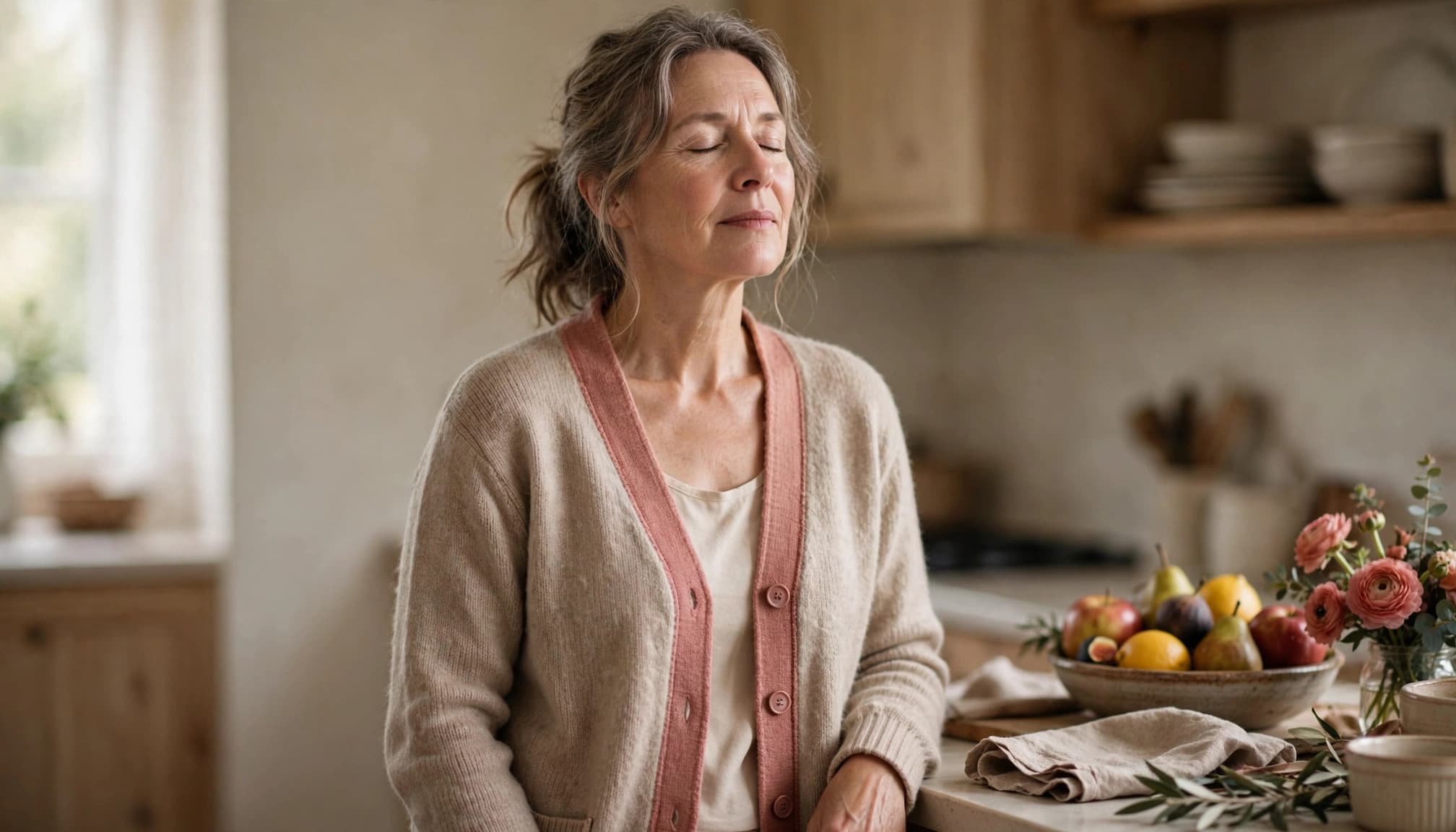
My Daily Joy Practice, the Joy Triangle, is a gentle mindfulness practice: one minute each for stillness, gratitude, and intention. Keep your eyes open if that feels more comfortable. Choose an ordinary intention, such as eating lunch before getting dressed. A believable positive affirmation might be, “I can take this one step at a time.”
If you’d welcome a little structure, my free Self-Care Journey Starter offers a place to begin. You can let the practice stay small.
Protect your meals, rest, and comfortable movement, too. Psych Central suggests that even 15 to 30 minutes of daily movement can help. Regular exercise can be adjusted to suit your body and energy; a gentle walk may feel manageable.
Prepare Once and Practice a Small Step
The evening before, write down your departure time, what you’re bringing, and one remaining task. Then put the list away rather than repeatedly reviewing every possibility.
If one part feels especially difficult, practice a manageable version beforehand. You might rehearse introducing yourself or visit an unfamiliar venue. This kind of gradual practice may be part of exposure therapy, which uses small steps to approach feared situations. Professional guidance can help when distress is substantial.
You can also share responsibilities instead of carrying the entire occasion. My guide to different types of self-care includes emotional and social needs alongside physical care.
A Simple Plan for the Hour Before You Go
Breathing and outward-focused grounding are relaxation techniques you can try. Choose what feels useful rather than completing every step. Comfortable participation is a kinder goal than perfect calm.
- Name the specific worry. Try “I’m worried I’ll feel overwhelmed when everyone arrives.” Naming one concern makes it easier to choose a response than treating the whole day as a problem.
- Check your immediate needs. Have some water, eat if you’re hungry, and loosen your jaw and shoulders. If it’s pleasant, briefly run cool water over your wrists for sensory comfort, without expecting it to switch anxiety off.
- Try a gentle, slower breath; deep breathing isn’t necessary. Inhale through your nose and let your belly expand, then exhale slowly through your mouth. Four counts in and six out is one option. Keep breaths gentle and stop if this increases distress.
- Turn outward if breathing feels uncomfortable. Breathe normally, keep your eyes open, and notice three objects in the room. Feel the floor beneath your feet or the chair supporting you. Stop any exercise that increases distress.
- Make the first action small. Put on your shoes, walk to the car, or greet one familiar person. Decide where you could take a brief pause during the event, and leave yourself some breathing room afterward.
Psychologist Dr. Patricia Ficken recommends planning something enjoyable after an anticipated event, according to Psych Central. A favorite cup of tea can give you a gentle landing after a busy celebration.
For more options when tension lingers, I share ways to settle after stress. Choose one approach that feels manageable.
When More Support Belongs in Your Care Plan
Anticipatory anxiety isn’t an independent DSM-5 diagnosis. It can occur with generalized anxiety disorder, social anxiety disorder, panic disorder, or specific phobias, and occasional event-related worry doesn’t establish any of them. Panic attacks can happen in different contexts, and having one doesn’t by itself establish panic disorder.
Psychiatrist Nereida Gonzalez-Berrios discusses anticipatory worry in relation to generalized anxiety disorder in Psych Central. That connection doesn’t mean everyone who dreads a celebration has GAD.
According to the clinical criteria for generalized anxiety disorder, adults experience excessive, difficult-to-control worry across activities on most days for at least six months. They also have at least three of six symptoms: restlessness, fatigue, concentration difficulties, irritability, muscle tension, and disturbed sleep.
A clinician considers distress, daily functioning, medical causes, and other explanations. You don’t need to wait six months to ask for help.
Reach out, including by talking to a therapist, if worry repeatedly costs you sleep, strains relationships, leads to avoidance, or makes daily activities difficult. The American Psychiatric Association describes cognitive behavioral therapy as a treatment that helps people work with anxious thoughts and responses.
New or severe chest pain, fainting, or significant difficulty breathing needs urgent medical attention. Please don’t assume unfamiliar symptoms are anxiety.
For everyday routines alongside appropriate care, my Ultimate Self-Care Guide offers practical structure. I’d keep your routine manageable, especially when you’re already stretched.
FAQs About Pre-Event Anxiety
Should You Tell the Host You’re Feeling Anxious?
You can share a little without explaining your whole history. Try “I’m looking forward to seeing you, and I may need a quiet minute during the evening.”
A trusted host may be able to help with seating or a less crowded arrival. You’re allowed to ask for something specific and reasonable.
Can Alcohol Take the Edge Off Before a Celebration?
Alcohol may feel relaxing initially, but it can disrupt sleep and worsen anxiety afterward. It can also interact with medication.
I wouldn’t make it your main coping plan. The World Health Organization’s anxiety guidance recommends reducing or avoiding alcohol as part of self-care.
What if You Feel Flat After a Happy Event?
You may be tired after planning, socializing, and managing strong feelings. Give yourself food, rest, and some time before deciding what the evening meant.
A lovely event doesn’t require an equally lovely mood every moment afterward. Persistent low mood or loss of interest deserves a conversation with a healthcare professional.
Let There Be Room for a Good Day
Anticipatory anxiety doesn’t measure how much you care; support your body, prepare for one concern, and let the day unfold.
With self-compassion, let nerves come along as you enjoy a warm greeting, favorite song, or laugh with someone you love.